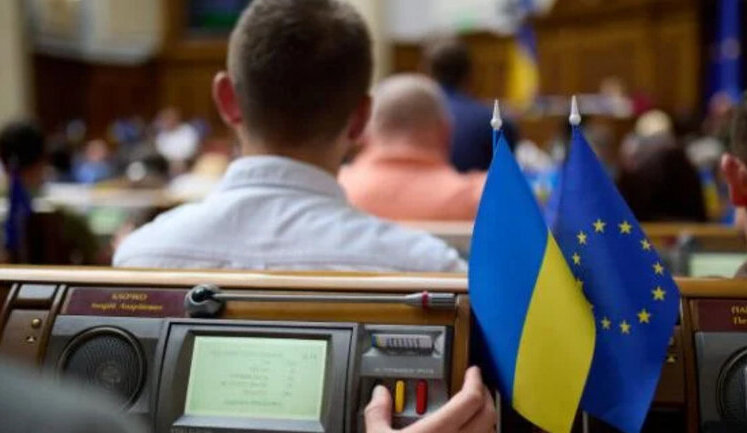
The latest failure in the Verkhovna Rada vote signals deepening political tensions within Ukraine's legislative body. Despite President Zelenskyy's assurances of no immediate crisis within the parliamentary majority, concerns about government effectiveness are growing. Key reforms and cooperation with the IMF and EU stand at risk as important votes are missed. Prime Minister Yulia Svyrydenko's strained communication with the Rada committees raises alarm over the passage of critical legislation. The absence of many Servant of the People MPs during crucial sessions further exacerbates the situation. As a result, Ukraine's path towards sustained economic and political reform faces significant hurdles.
What led to the vote failing in the Verkhovna Rada?
The vote failed due to poor attendance by MPs, particularly from the Servant of the People faction, and underlying political tensions affecting decision-making processes. These issues led to a lack of quorum, hindering legislative action on essential matters.
How is the Verkhovna Rada's vote failure impacting Ukraine's relations with the EU?
The failure is straining Ukraine's EU relations, as key reforms continue to be delayed. This disruption raises concerns about Ukraine's commitment to European standards and poses challenges for Ukraine's integration efforts with the EU.
Why is the Prime Minister struggling to communicate with the Rada?
Prime Minister Yulia Svyrydenko is facing challenges in effective communication with the Verkhovna Rada due to existing political strains, factional disagreements, and a lack of consensus among MPs on pursuing necessary legislative reforms.
What are the implications of the vote failure for Ukraine's cooperation with the IMF?
The failed vote complicates Ukraine's cooperation with the IMF as it stalls the passage of critical bills needed to fulfill Ukraine's commitments. This uncertainty can impact Ukraine's access to financial support and economic policies required for stability.
What steps are being taken to address the issues within the Rada?
Efforts are being made to reconcile differences among MPs, especially within the ruling faction, and to prioritize urgent legislative reforms. Discussions are ongoing to establish better communication strategies and rebuild trust amongst parliament members.
Is the ruling coalition in Ukraine at risk of collapsing?
While President Zelenskyy downplays an immediate crisis, there are significant challenges that the ruling coalition faces. Trust issues, ineffective organization, and political disagreements could threaten its stability if not addressed promptly.
How is the increase in military presence in the Government Quarter related to the vote failure?
The increased military presence in the Government Quarter reflects heightened security measures due to political unrest and public dissatisfaction following the vote failure. This precaution aims to prevent potential escalations during these uncertain times.