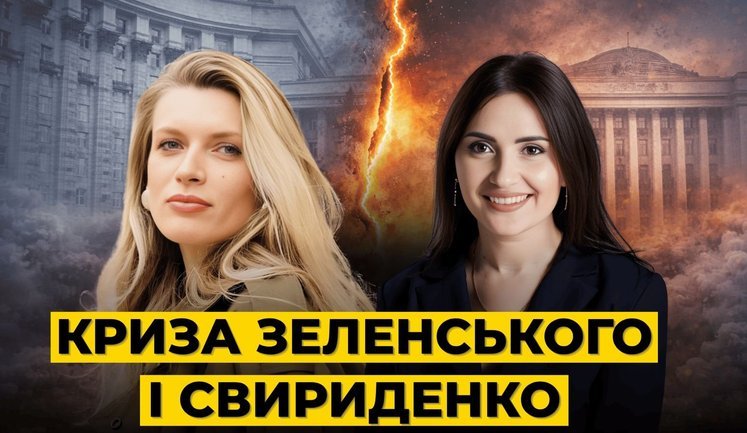
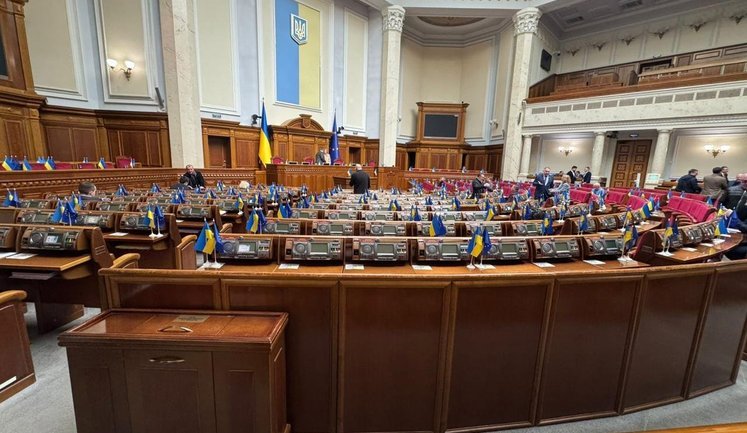
The recent vote failure in Ukraine's Verkhovna Rada underscores a deepening political crisis. The government's inability to pass key legislation is jeopardizing commitments to the International Monetary Fund (IMF) and straining relations with the European Union (EU). "Servant of the People" Frolov revealed that terms were agreed with the IMF without input from MPs, emphasizing the pressure on MPs to make unpopular decisions. Meanwhile, Prime Minister Yulia Svyrydenko faces criticism for ineffective communication with the Rada. The head of the 'Mezha' Anti-Corruption Centre, Bohuslavets, claims Svyrydenko's actions are hindering Ukraine's EU pathway. The crisis is marked by absenteeism among MPs, as noted by MP Honcharenko, indicating fractured political stability and highlighting governance challenges in Ukraine.
What are the consequences of the vote failing in the Rada?
The failure of the vote in the Rada has significant implications for Ukraine. It affects the country's ability to meet IMF commitments, which may impact financial aid and economic reforms. The political gridlock also strains relations with the EU, potentially delaying Ukraine's integration efforts and complicating future negotiations for support and cooperation. Overall, the situation underscores governance challenges and decreases public confidence in legislative effectiveness.
Why is the IMF agreement controversial in Ukraine's Rada?
The IMF agreement is controversial because it was negotiated without direct input from Ukrainian MPs, raising concerns over transparency and accountability. This has led to unease among lawmakers responsible for approving potentially unpopular reforms necessitated by the agreement. The controversy further highlights the challenges of passing legislation in a politically divided Rada, where priorities and strategies may conflict among different factions and the central government.
How does the political crisis in Ukraine affect EU relations?
The political crisis in Ukraine impedes progress toward EU integration by stalling necessary reforms and legislative actions required for EU alignment. As the Rada fails to pass key bills, the EU's confidence in Ukraine's political stability and reform commitment may waver, delaying potential accession talks or other forms of cooperation. This stagnation risks isolating Ukraine from valuable political and economic partnerships with EU member states.
What role does the 'Mezha' Anti-Corruption Centre play in the crisis?
The 'Mezha' Anti-Corruption Centre, led by Martyna Bohuslavets, plays a critical oversight role by highlighting governance failures and advocating for transparency and accountability in government actions. The Centre scrutinizes government dealings and works to ensure that political processes adhere to anti-corruption principles. In the current crisis, their voice sheds light on administrative inefficiencies, urging government officials to rectify policy missteps that hinder legislative progress and international cooperation.
What issues are causing division within the "Servant of the People" faction?
Division within the "Servant of the People" faction arises from disagreements over decision-making processes and governance efficacy. Some faction members express dissatisfaction with how unpopular decisions are managed, leading to trust issues and ineffective internal communication. These divisions create a fragmented approach to addressing Ukraine's legislative needs, complicating unified action and diluting the faction's influence within the Rada, thereby exacerbating the broader political impasse.