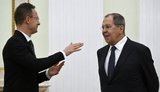
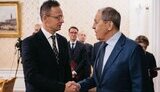
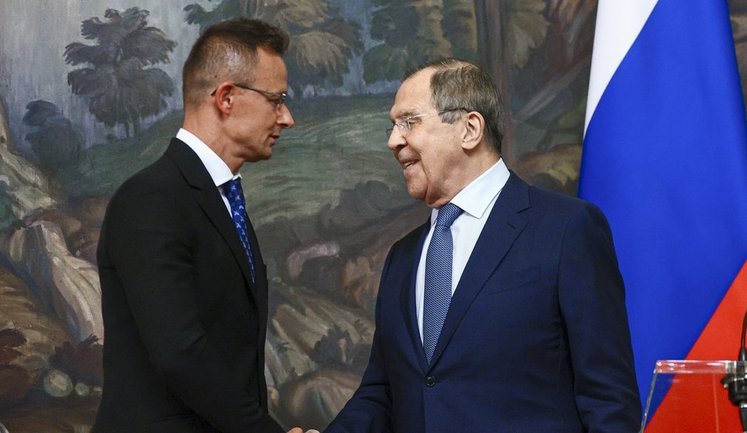
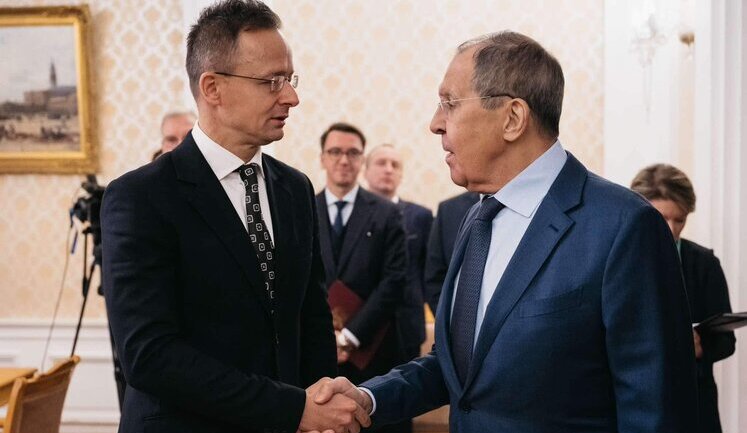
Recent revelations have uncovered detailed conversations between Hungarian Foreign Minister Péter Szijjártó and Russian Foreign Minister Sergey Lavrov, raising concerns within the European Union. Audio recordings and transcripts indicate Szijjártó's regular consultations with Lavrov during EU meetings on Russia sanctions. While Hungarian authorities claim such interactions are part of diplomacy, the European Commission has demanded clarification on possible data transfers to Russia. This ongoing situation has shaken trust, as figures like Polish Prime Minister Donald Tusk express long-standing suspicions. Szijjártó's actions suggest Russia was effectively part of EU negotiations, sparking debates about diplomacy, transparency, and allegiance in sensitive diplomatic contexts.
How did the Szijjártó-Lavrov conversations come to light?
The conversations between Hungarian Foreign Minister Péter Szijjártó and Russian Foreign Minister Sergey Lavrov were leaked to the media through audio recordings and transcripts. These documents reveal the nature of their interactions amidst EU discussions about sanctions on Russia, suggesting a close communication channel between the two ministers.
What is the European Union's reaction to these revelations?
The European Union, particularly through the European Commission, is concerned and has asked Hungary for clarification on the matter. The EU is worried about the implications of Hungarian Foreign Minister Péter Szijjártó's briefings to his Russian counterpart on closed-door EU Council meetings, perceiving it as a potential breach of trust and protocol.
Why are Szijjártó's actions considered controversial?
Szijjártó's actions are controversial because they involve communicating sensitive EU discussions to Russia, potentially undermining the EU's unified stance on sanctions against Russia. This has led to accusations of divided loyalties and raised questions about Hungary's role within the EU framework, especially in terms of transparency and diplomatic propriety.
What is Hungary's official position regarding these reports?
Hungary, represented by Foreign Minister Péter Szijjártó, has defended these communications by labeling them as normal diplomatic interactions. However, the Hungarian government's explanation has not alleviated concerns from other European Union members, who see these actions as problematic and indicative of closer ties with Russia than previously acknowledged.
What has been the reaction of other EU member states?
Polish Prime Minister Donald Tusk, among other EU leaders, has expressed serious concerns over these revelations, echoing long-standing suspicions about Hungary's conduct in EU matters. This disclosure has prompted broader discussions about the unity and reliability of EU member states, especially in matters involving foreign policy and security.