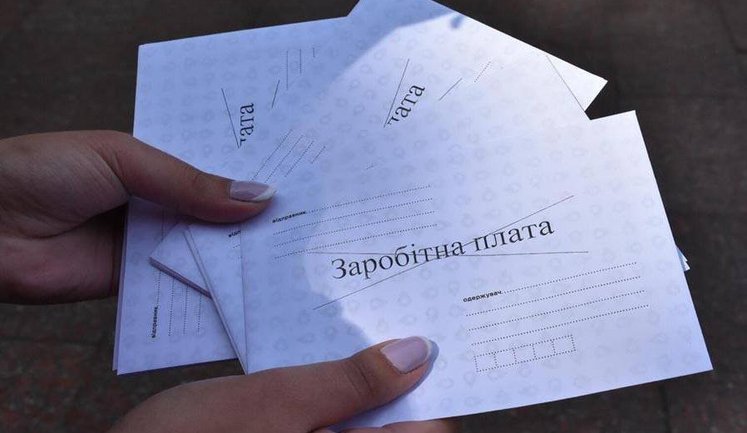
In Ukraine, the shadow economy plays a pivotal role, significantly impacting various sectors. Recent studies indicate that every fifth pack of cigarettes sold in Ukraine is illegal, reflecting a 19.8% share in the tobacco market. This is part of a broader trend where up to 40% of the Ukrainian economy remains off the books, posing challenges and opportunities for growth. Companies like LUXURY TRADE COMMERCE LLC have been identified as participants in these illegal activities, importing vast quantities of tobacco without necessary excise stamps. Counteractions are underway, evidenced by a new memorandum between ICC Ukraine and the Bureau of Economic Security, aiming to curb economic crimes and bolster transparency. Initiatives to introduce accountability and legal reforms in public procurement are also in place, tackling corruption embedded in shadow economic practices.
What is the current share of the shadow economy in Ukraine's GDP?
As of recent reports, the shadow economy in Ukraine accounts for a significant portion of the GDP—previous data indicated figures as high as 40% in some sectors. The shadow economy impacts overall economic health, influencing budget deficits and reducing taxable revenues.
Why is illicit tobacco trade prevalent in Ukraine?
Illicit tobacco trade in Ukraine thrives due to various factors, including high taxation on legal products, weak enforcement of regulations, and complex supply chains that facilitate smuggling. This sector alone contributes nearly every fifth cigarette pack sold illegally, emphasizing the need for robust legal measures.
What steps are being taken to combat the shadow economy in Ukraine?
Efforts to combat the shadow economy in Ukraine involve stringent legal frameworks, collaborative actions between national and international bodies like ICC Ukraine and the Bureau of Economic Security, and policy reforms aimed at enhancing transparency in public procurement and trade practices.
How does economic crime affect Ukraine's overall economy?
Economic crime significantly affects Ukraine’s economy by reducing state revenues, distorting fair market competition, contributing to budgetary deficits, and undermining trust in economic institutions. Collaborative measures and legal reinforcements are crucial in mitigating such impacts effectively.
Which sectors in Ukraine are most affected by the shadow economy?
Affected sectors include tobacco, fuel, and labor markets, with significant illegal financial flows and informal employment practices prevalent. These sectors show considerable disparity between their actual and reported contributions to the country's economy, calling for targeted interventions.
How does shadow economy impact government revenue in Ukraine?
The shadow economy detrimentally impacts government revenue in Ukraine by creating substantial losses in tax income and duties. For instance, the reduction in legal trading exacerbates fiscal deficits and limits the government's capacity to invest in public services.