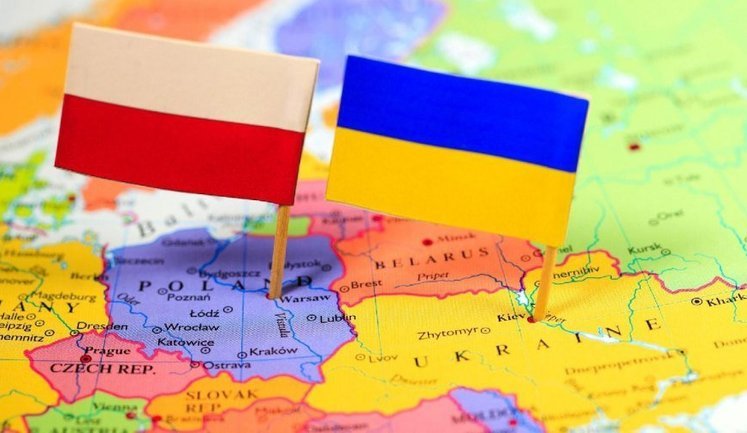
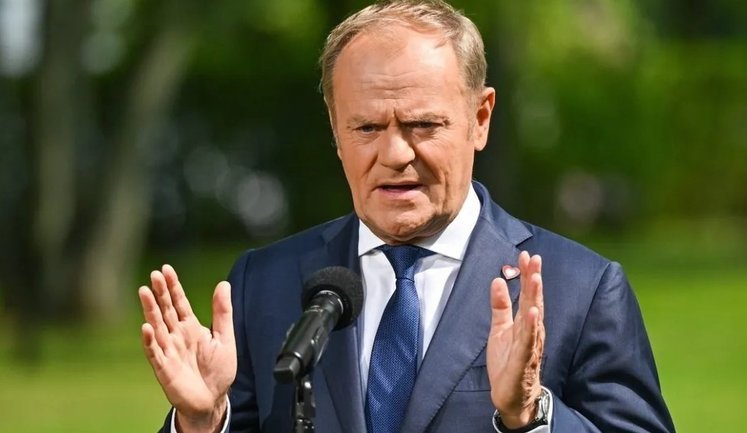
The political climate in Poland is experiencing heightened tensions marked by a notable rise in anti-Ukrainian sentiment. Recent actions, such as the threats by Kraków and Przemyśl to sever partnerships with Lviv, underscore the political discord infusing Poland's relations with Ukraine. Polish Prime Minister Donald Tusk has criticized the Lviv Regional Council's decision to honor the UPA and Roman Shukhevych, which he argues could impede Ukraine's EU membership aspirations. Furthermore, the recent defacement of a UPA monument by ultranationalist Grzegorz Braun reflects growing extremist activities. This discourse is accompanied by a 250% increase in anti-Ukrainian content within Poland's media. Among the political figures, Karol Nawrocki has advocated for contentious legislation equating "Bandera symbols" with Nazi emblems. These developments, alongside increasing hate crimes against Ukrainians, pose significant implications for regional stability and Ukraine's integration into European structures.
What led to the tension between Kraków, Przemyśl, and Lviv?
The tension arises from the Lviv Regional Council's decision to honor the Ukrainian Insurgent Army (UPA) and Roman Shukhevych, which the Polish cities of Kraków and Przemyśl see as provocative. These cities are debating severing ties with Lviv, citing historical grievances linked to the UPA, known for its controversial role during and after World War II.
How might these tensions affect Ukraine's EU accession?
Polish Prime Minister Donald Tusk suggests the honoring of UPA and Roman Shukhevych in Lviv might serve as an argument against Ukraine's EU membership. The political friction between Polish and Ukrainian entities could provide ammunition for EU sceptics who favor slowing down or halting Ukraine's integration process.
Why has there been a spike in anti-Ukrainian content in Poland?
The increase in anti-Ukrainian content, reported to have risen by 250%, is likely fueled by political narratives and media portrayal. Polish officials and researchers have noted this surge as being significant amid growing nationalist sentiments and political rhetoric critical of Ukraine.
What are the potential implications of anti-Ukrainian political forces growing in Poland?
The rise of anti-Ukrainian political forces in Poland, marked by declining support for the "Law and Justice" party, could lead to strained bilateral relations and influence Poland's foreign policy decisions. This shift might impact Poland's traditional support for Ukraine on international platforms and affect regional security dynamics.
What actions have been taken against Ukrainian symbols and culture in Poland?
In Poland, there have been instances of vandalism against Ukrainian symbols, such as Grzegorz Braun's defacement of a UPA monument. Additionally, President Nawrocki has proposed law amendments equating the "Bandera symbol" with Nazi symbols. These actions reflect a rising intolerance towards Ukrainian cultural heritage and could exacerbate ethnic tensions within Poland.
How has public opinion shifted regarding anti-Ukrainian sentiments in Poland?
Public opinion in Poland appears to be shifting as evidenced by the declining support for the liberal "Law and Justice" party and growing backing for more nationalist, anti-Ukrainian parties. This shift highlights a broader acceptance of anti-Ukrainian rhetoric among Polish voters, influenced by recent media coverage and political discourse.
How are hate crimes against Ukrainians in Poland trending?
The incidence of hate crimes against Ukrainians in Poland has surged, with reports indicating a more than 30% increase within the first half of 2026. If trends persist, more than 360 cases could be reported by year-end. This rise represents growing societal tensions and challenges for the Ukrainian minority in Poland.