



Black Sea blockade of Russian Federation is equivalent to piracy, NATO countries have means to stop it, - Volker
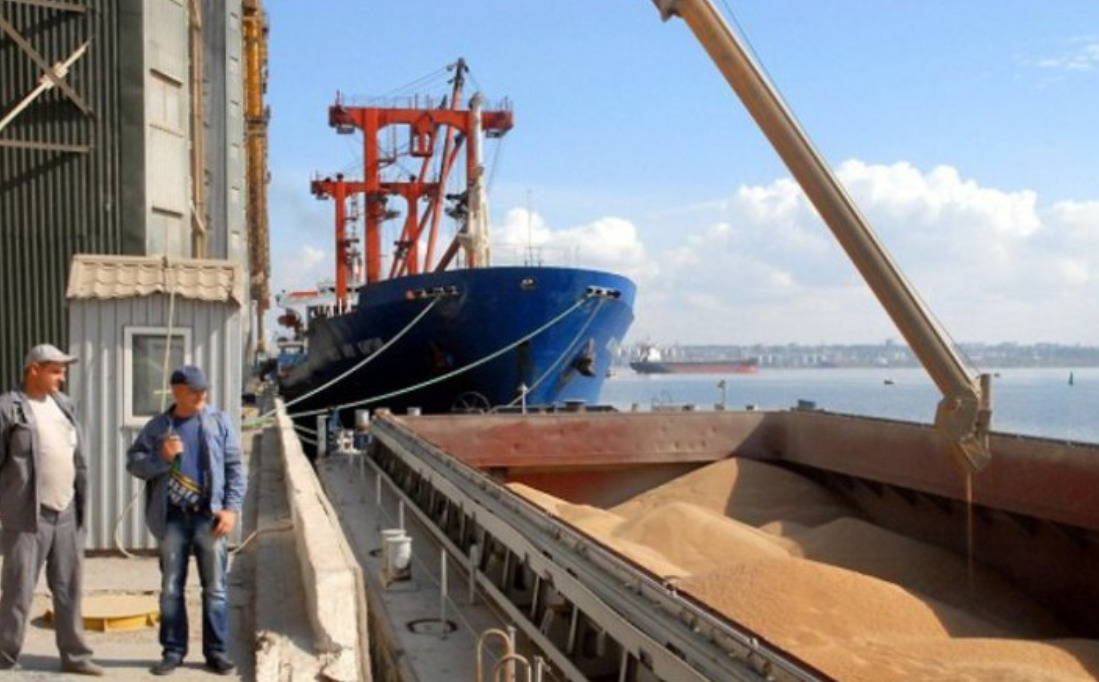
Russia’s Black Sea blockade of maritime trade with Ukraine is tantamount to piracy, or at least the threat of it, by any reasonable definition of the word. By accepting the Russian Federation’s veiled threats to sink foreign-flagged merchant ships in international waters, the West has thereby allowed the Kremlin to successfully blackmail the world.
As reported by Censor.NET with reference to the Center for Transport Strategies, this was stated by the former US special representative in Ukraine, Kurt Volker.
According to him, even if the grain agreement works normally, allowing a limited flow of grain exports, it creates a legal facade that legitimizes Russia's military actions to block all other Ukrainian maritime exports.
"The Grains Agreement gives Russia an unprecedented role in overseeing Black Sea shipping, despite the fact that it has legal claims to only 10% of the Black Sea coastline and is a party to the Montreux Convention, which was designed to ensure free trade through the Bosphorus and Dardanelles straits. The convention assigns Turkey, not Russia, the role of ensuring freedom of navigation," Volker explained.
According to the diplomat, the time has come to stop similar pirate actions of the Russian Federation in the Black Sea. The US, Great Britain, the Netherlands, the G7 countries, the EU, and all NATO allies should demand that Russia immediately abandon its threats to normal commercial shipping in the international waters of the Black Sea, which would allow Ukrainian ports to return to full operation.
Yes, Volker suggests that Western allies should increase demining efforts in the Black Sea by providing appropriate technical means; western governments to introduce war risk insurance programs for shipping companies that conduct direct trade with Ukraine (insurance should cover both ships and cargo); NATO countries to participate in operations that do not pose a threat to freedom of navigation in the international waters of the Black Sea to maintain the principle of unimpeded transit.
"Finally, NATO countries must warn that any attack by any organization on a commercial vessel in the international waters of the Black Sea will be considered an act of piracy and will not be tolerated.
Under international law, such attacks can be met with a direct military response. NATO countries have the means for this, even if their ships do not enter the Black Sea," the American diplomat added.
"Maintaining freedom of navigation in the Black Sea is consistent with the long-term policy of the United States and other countries and primarily serves economic, not military, goals.
It would be incredibly brazen and reckless for Russia to attack international vessels in the open waters of the Black Sea. It's time to admit that Russia is bluffing and opening Odesa's ports forever," he concluded.


