



Norway records increase in radiation along border with Russia
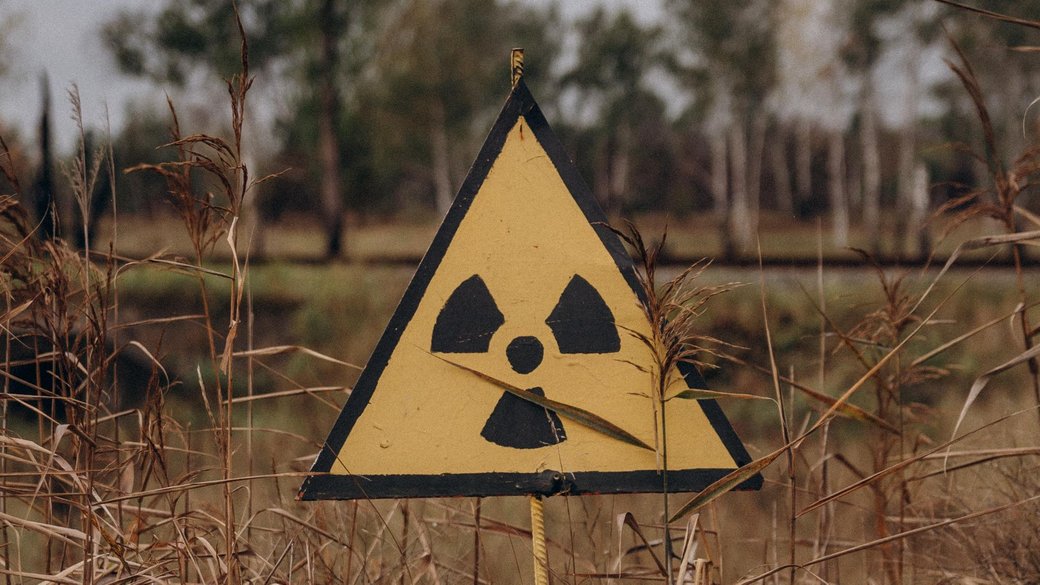
The Norwegian agency DSA has detected traces of cesium-137 at two stations located near the border with Russia. The reason for the increase in radiation is currently unknown.
This is reported by The Barents Observer, Censor.NET reports.
It is noted that the radioactive isotope cesium-137, which is formed as a fission product during the operation of a nuclear reactor, appeared in samples from two radiation monitoring stations in Norway - Vikshofjell and Svanhovd. The increase in radiation was detected from September 5 to 16.
DSA spokesman Bredo Møller said that the levels of cesium-137 are higher than normal, but do not pose a risk to people or the environment. According to him, the DSA will conduct more tests over the next few days, but they expect "they will also be at the same level."
Nothing is known about the presence of cesium in the samples from the Russian side.
Also, the cause of cesium-137 is not yet clear.
Moeller noted that cesium can come from forest fires - when old trees burn, radioactive elements can rise into the air and be carried by the wind. These elements, he added, settled on the trees after the Chornobyl accident, or even from nuclear tests before 1962.
Another theory is that Russian submarines and icebreakers in the Barents Sea use nuclear reactors. However, analysts believe it is unlikely that the cesium-137 leak occurred at a reactor operating at sea.
Another possibility, in their opinion, may be related to the development or testing of a Russian nuclear-powered Burevestnik missile. The launch site for this missile is located on the Novaya Zemlya archipelago, where the USSR conducted nuclear tests until 1990. However, work at the site is highly classified, and very little information is made public. There are no official reports that the Burevestnik is being tested.
It is also possible that the radioactive isotope could have come from far away, depending on the wind direction.


