



EU prepares mechanism to unblock Russian assets for Ukraine, - Politico
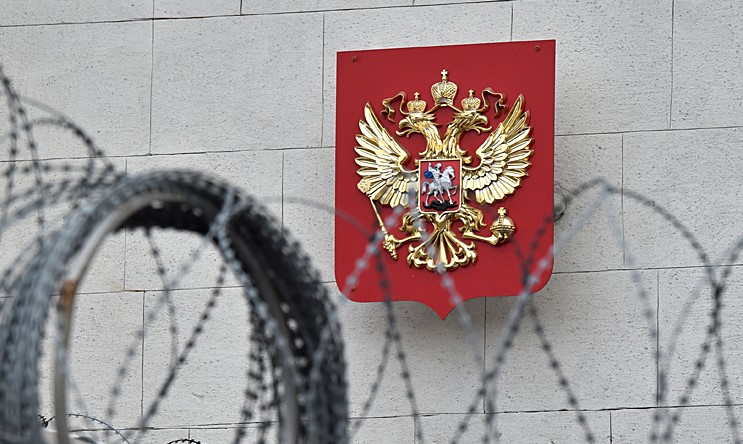
The European Commission is currently working on a legal instrument that would allow frozen Russian assets to be used to support Ukraine, but is facing reservations from Belgium about the potential financial consequences.
This was reported by Censor.NET with reference to Politico.
Legal mechanism
In particular, according to the publication, the European Commission is proposing a legal mechanism designed to alleviate Belgium's concerns about using approximately €140 billion in frozen Russian assets in the form of a loan to Ukraine.
Member states must agree on this decision before the European Council summit, but Brussels is expressing concerns that Belgium may bear the main financial costs if reimbursement is necessary.
What is being proposed?
The European Union is preparing a new legal mechanism that will prevent individual member states, such as Hungary or Slovakia, from blocking the extension of sanctions against Russia.
It is planned to use Article 122 of the EU Treaty, which allows decisions to be taken by a majority vote in a "solidarity action" format. This will prevent individual countries from exercising their veto power on such issues.
EU lawyers confirm that a flexible interpretation of Article 122 justifies revising the unanimity requirement. This could also reduce the frequency of votes on extending sanctions from every six months to once every three years, which would ensure stability and reduce the risks to financial support for Ukraine.
Risks for Ukraine
As Politico points out, time is of the essence: without an agreement, Ukraine risks being left with minimal defence funding until at least April.
Otherwise, the burden of costs will fall on EU taxpayers, while frozen Russian assets will remain unused.
The main intrigue lies in whether the updated legal approach will convince the Belgian prime minister to agree to the use of funds currently held by Euroclear in Brussels.
It should be recalled that the European Central Bank refused to support the payment of €140 billion to Ukraine against Russian assets blocked in the Belgian depository Euroclear.
Russian assets to help Ukraine
- Earlier, European Commission President Ursula von der Leyen proposed using frozen Russian assets as collateral to provide Ukraine with "reparations loan" Formally, Russian assets under sanctions will not be confiscated, but Ukraine will repay such loans only after Russia pays reparations.
- According to various estimates, the European Union's "reparations loan" to Ukraine, secured by Russian assets, could amount to €130-140 billion. Its final size will be determined after the International Monetary Fund assesses Ukraine's financing needs in 2026 and 2027.
- In total, Euroclear has currently accumulated more than €175 billion in cash from frozen Russian assets, which could be used to secure a new loan. But before the EU agrees to grant a reparations loan, it will want to repay the G7 loan to Ukraine of €45 billion ($50 billion) agreed last year, which was to be repaid from the proceeds of frozen Russian assets.


