



Georgia signed agreement on mechanism for reparations from Russian assets for Ukraine
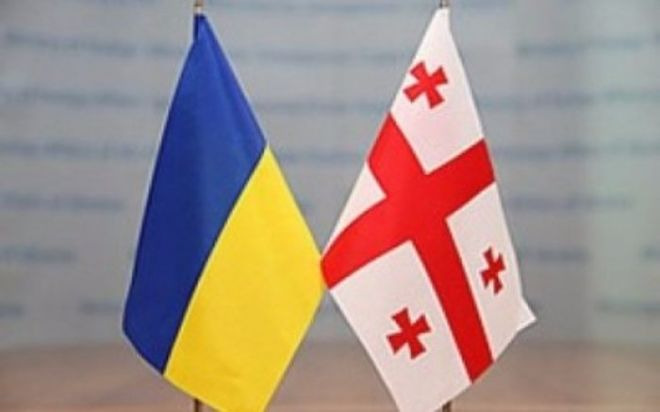
Georgia unexpectedly signed an international agreement establishing a mechanism to distribute reparations received from Russian assets among Ukrainian citizens and companies.
This was reported by Censor.NET with reference to the EP.
It is noted that Georgia's participation in the diplomatic conference in The Hague was distinguished even by the format of representation: Foreign Minister Maka Bochorishvili personally attended the event, while most countries were represented at the ambassadorial level.
Bochorishvili delivered a "fiery speech in support of the Ukrainian people," without mentioning the tense relations between Kyiv and Tbilisi, after which Georgia signed the so-called "anti-Russian" convention without comment or reservation. The Georgian side also sent a group of journalists to The Hague to cover the event for the domestic audience.
Motives
At the same time, the article emphasises that the motives behind Tbilisi's move remain unclear. The decisive factor will be whether the Georgian parliament ratifies the agreement in the near future or whether the country will limit itself to signing it, avoiding further deterioration of relations with Moscow.
It is noted that Georgia was the only country in the region to join the document: Azerbaijan and Armenia ignored the meeting in The Hague, and Turkey limited itself to the presence of a diplomat without signing the agreement.
As a reminder, a conference was held in The Hague on 16 December on the creation of an international commission to compensate for the damage caused by Russia to Ukraine during the war.
What is known about the "reparation loan" for Ukraine
- We would like to remind you that at a meeting in October, EU leaders postponed a decision on the use of frozen Russian assets as collateral for a so-called "reparation loan" to Ukraine in the amount of €140 billion ($163 billion). EU leaders plan to return to discussing this issue at a meeting on 18-19 December.
- Belgium, where the lion's share of these funds is held, opposed the European Commission's proposed plan to use frozen Russian assets at a meeting of EU leaders. The country fears legal and financial sanctions from Moscow and wants other EU countries to share these risks.
- Earlier, European Commission President Ursula von der Leyen proposed using frozen Russian assets as collateral for providing Ukraine with "reparation loans." Formally, Russian assets subject to sanctions will not be confiscated, but Ukraine will repay such loans only after Russia pays reparations.
- In response, Russian dictator Putin signed a decree that effectively allows for the accelerated expropriation of assets belonging to Western companies that have not yet left Russia.
- According to various estimates, the European Union's "reparation loan" to Ukraine, secured by Russian assets, could amount to €130-140 billion. Its final size will be determined after the International Monetary Fund assesses Ukraine's financing needs in 2026 and 2027.
- In total, Euroclear has accumulated more than €175 billion in cash from frozen Russian assets, which could be used to secure a new loan. But before the EU agrees to grant a reparations loan, it will want to repay the G7 loan to Ukraine of €45 billion ($50 billion) agreed last year, which was to be repaid from the proceeds of frozen Russian assets.


