



Macron on "reparations loan": We must allow Ukraine to continue its resistance
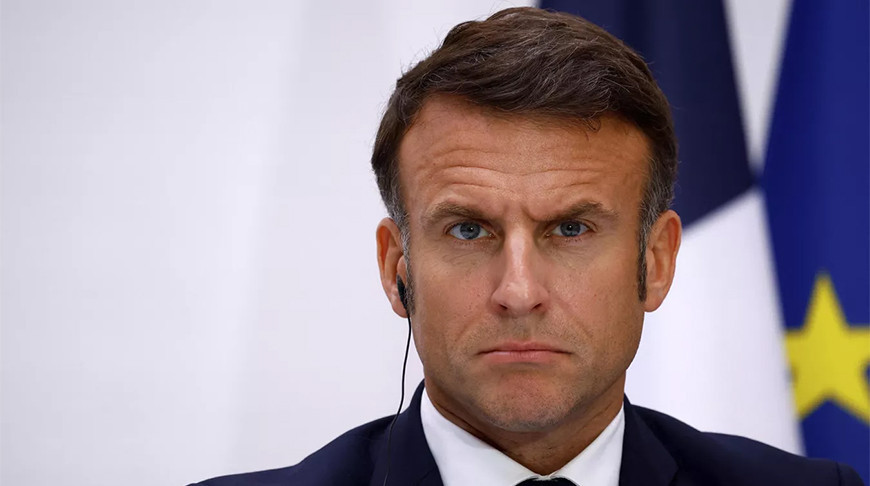
French President Emmanuel Macron hopes that the European Union will decide to grant Ukraine a reparations loan using frozen Russian assets.
He made this statement after arriving at the EU summit in Brussels, according to Censor.NET with reference to the European Parliament.
What is known?
He considers the European Council meeting to be "extremely important," because Europe must show that it can continue to "protect its territory, its citizens, its security, its economy, and its agriculture."
He emphasized that the decision to use frozen Russian assets to help Ukraine is important in order to finance the military efforts of Ukrainians.
"This is a decision we have to make. The European Commission has proposed several options, and important discussions have begun on how to use these frozen Russian assets," said the French leader.
Macron believes that the EU must unite and find a common position.
"We must give Ukraine visibility, we must allow it to continue its resistance, and we must be there to support it in building a just and lasting peace. And so, while we support, finance, and provide this visibility, we continue our discussions," Macron concluded.
Russian assets to help Ukraine
- Earlier, European Commission President Ursula von der Leyen proposed using frozen Russian assets as collateral for providing Ukraine with "reparation loans". Formally, Russian assets subject to sanctions will not be confiscated, but Ukraine will repay such loans only after Russia pays reparations.
- According to various estimates, the European Union's "reparations loan" to Ukraine, secured by Russian assets, could amount to €130-140 billion. Its final size will be determined after the International Monetary Fund assesses Ukraine's financing needs in 2026 and 2027.
- In total, Euroclear currently holds more than €175 billion in cash from frozen Russian assets, which could be used to secure a new loan. But before the EU agrees to grant a reparations loan, it will want to repay the G7 loan to Ukraine of €45 billion ($50 billion) agreed last year, which was to be repaid from the proceeds of frozen Russian assets.


