



US doubts Russia’s economic attractiveness even after war in Ukraine ends - WSJ
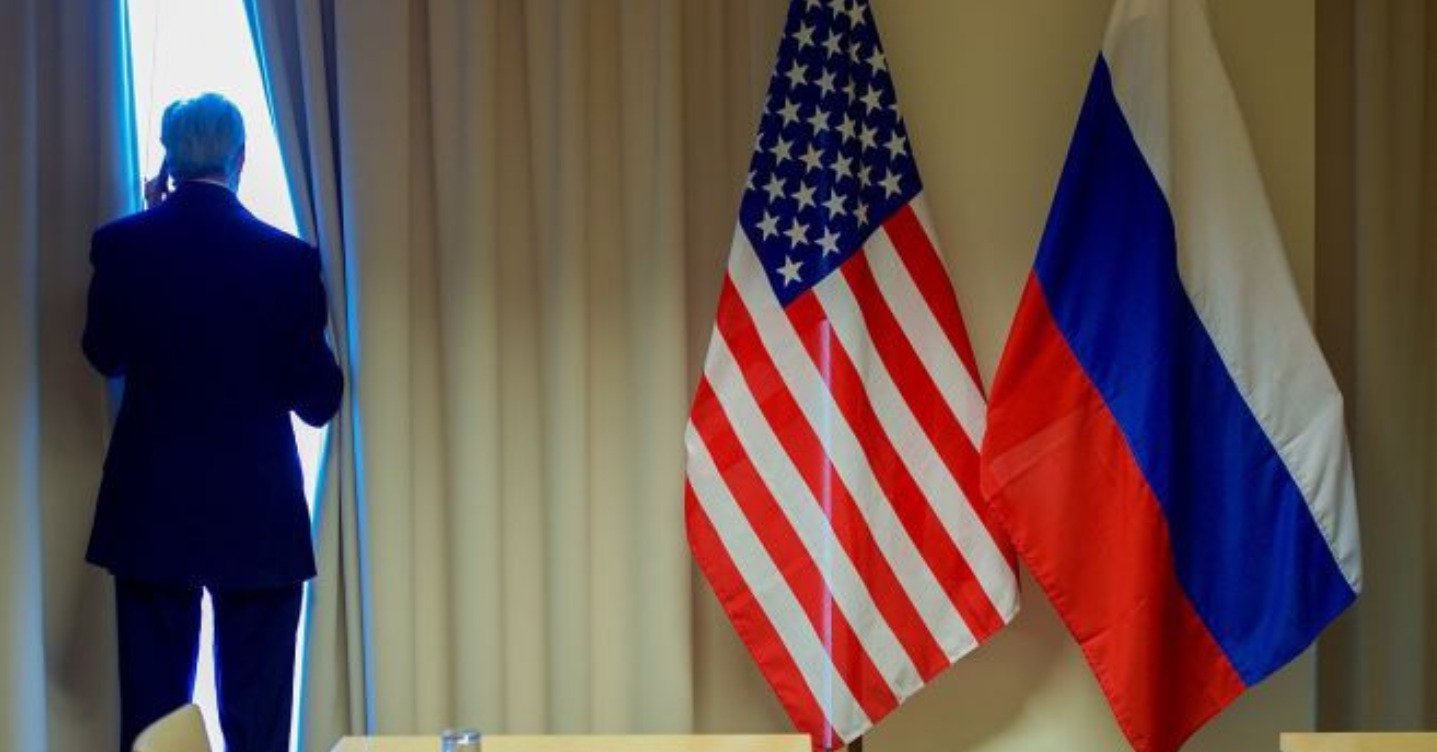
Despite the optimism of US President Donald Trump's envoys regarding potential business prospects in Russia after the end of the war in Ukraine.
This is reported by The Wall Street Journal, as relayed by Censor.NET.
According to the publication, Donald Trump's special envoys Steve Witkoff and Jared Kushner view Russia as a country with vast natural resources and potential opportunities for American business. According to people familiar with their thinking, Russia's return to the global economy could bring profits to investors and help stabilize relations with Ukraine and Europe.
However, many American financiers and analysts are skeptical about such expectations. They emphasize that even if sanctions are lifted, Russia will remain a country with high political and legal risks, where the rule of law is absent and the authorities can revise the terms of agreements and confiscate assets.
Geopolitical risk analyst Charles Hecker, who worked in the USSR and Russia for over 40 years, noted that the Russian economy is not an "Eldorado" and that the potential rewards for investors are much smaller than they might seem. According to him, even a possible settlement of the war in Ukraine will not end Russia's cycles of hostility toward the West.
Economists also point to structural problems in the Russian economy, such as weak long-term growth prospects, population decline, depletion of easily accessible oil reserves, and dependence on the energy sector. Estimates suggest that the Russian economy is comparable in size to Italy's, at around $2.5 trillion.
Former Russian Central Bank official Alexandra Prokopenko said that talk of a mass return of foreign companies to Russia is exaggerated. According to her, the country remains unattractive for long-term investments, and if sanctions are lifted, only exporters that do not require significant investments are likely to return to Russia.
At the same time, investors point out the risks of renewed sanctions, as well as personal dangers for business in Russia. In particular, former Baring Vostok CEO Michael Calvey, who was previously imprisoned in Russia following a corporate dispute, said he does not expect large-scale long-term investments even if relations formally warm up.
The WSJ also recalls that since the start of the full-scale war, the Kremlin has tightened its control over the economy, confiscating tens of billions of dollars in assets from foreign and Russian investors and transferring them to businessmen loyal to the government.


