



Kallas doubts that regime in Iran will fall due to mass protests
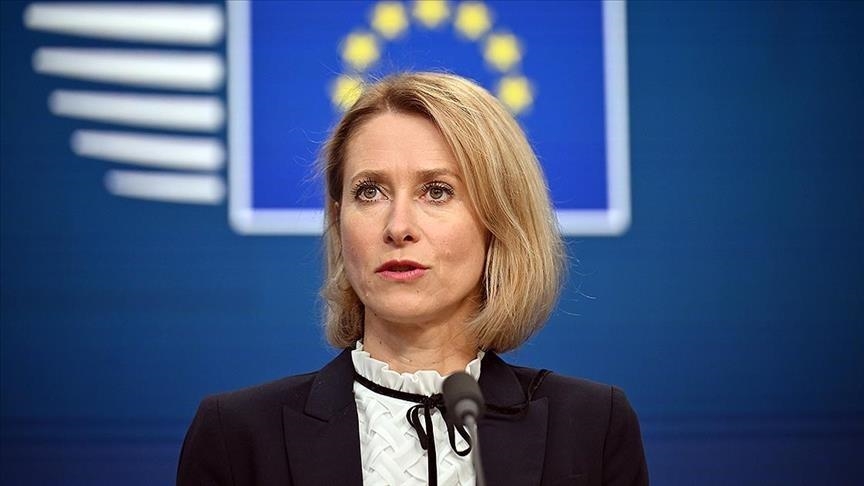
The head of European diplomacy, Kaja Kallas, is unsure whether the Ayatollah regime in Iran will fall as a result of mass protests. She called for continued support for civil society.
She said this at a press conference with the German defense minister in Berlin, according to Censor.NET.
What is the EU's position?
Kallas suggested that the fall of the Iranian regime could come as a surprise, as was the case with Assad in Syria. At the same time, she said, the European Union continues to support the protesters and impose sanctions on Tehran.
No one knows what the coming days and weeks will bring. Perhaps everything will happen as if Assad's regime has fallen—this came as a surprise to everyone. Very often, these regimes are very, very resilient... We continue to support civil society and are imposing more sanctions on those who use violence against peaceful protesters to show that we condemn these actions," the diplomat explained.
EU assistance
Kallas stressed that the violent suppression of protests in Iran is "unacceptable." At the same time, the European Union is working on additional sanctions against those responsible for human rights violations.
She added that even if Ayatollah's regime falls, Iran will need an alternative form of government, which is why the EU will continue to support civil society in the country.
Protests in Iran
The causes of the unrest in Iran were economic problems, sanctions, water shortages, and issues surrounding women's rights and political freedoms.
Against this backdrop, the local currency, the rial, recently fell to a record low of around 1.4 million to the US dollar. This is what caused discontent among local residents.
- On January 3, Iran's supreme leader publicly stated that "troublemakers should be put in their place," which, according to observers, could be a signal for security forces to act more harshly.
- According to human rights activists, mass protests in Iran, which have been going on for two weeks now, have led to the deaths of more than 500 people and the detention of more than 10,000.


