



Belgian Prime Minister Bart De Wever: Putin sees weakness in West
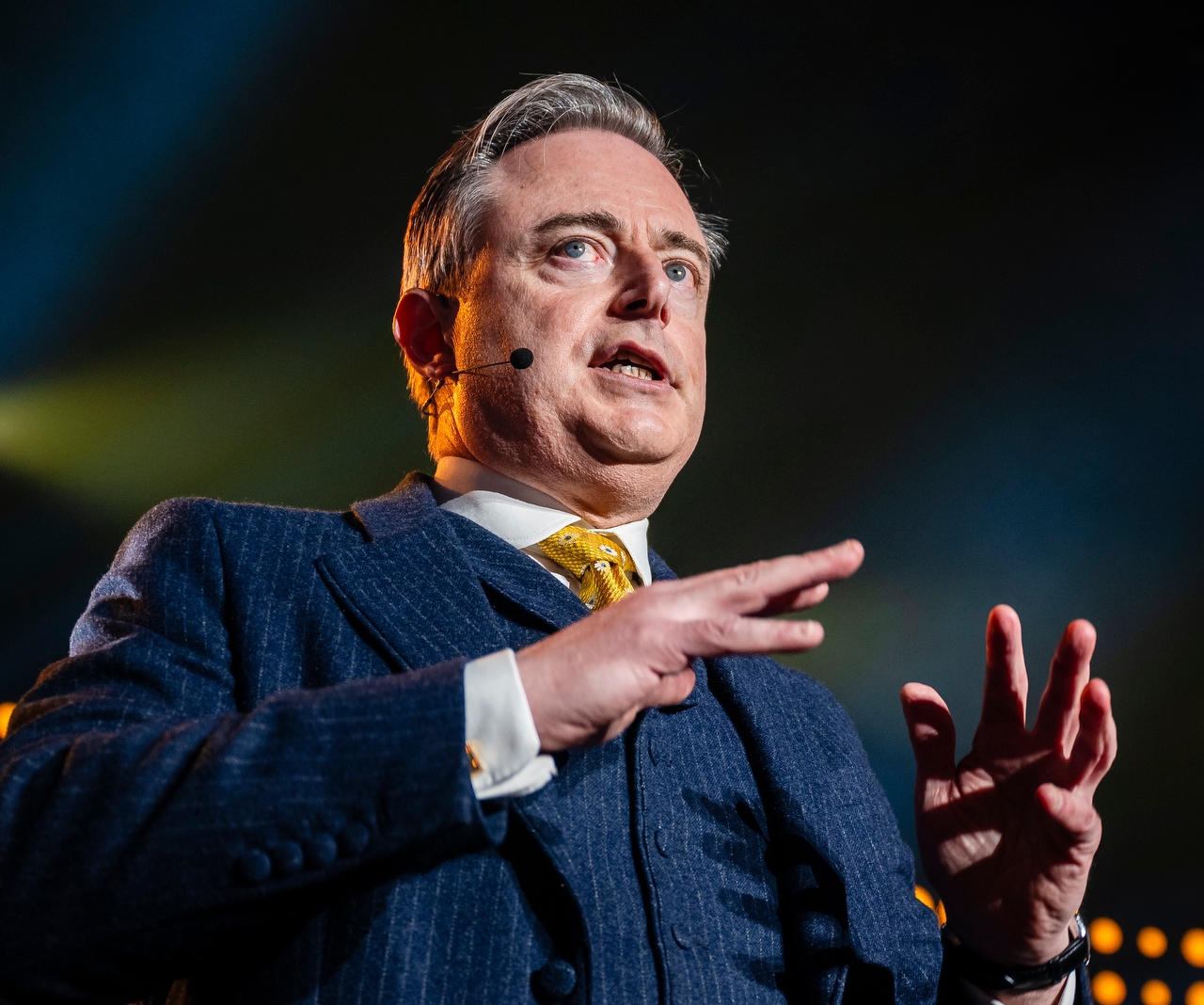
The European Union faces a strategic choice: either strengthen unity and common security, or risk further fragmentation amid external pressure.
According to Censor.NET, this was stated by Belgian Prime Minister Bart De Wever during the World Economic Forum in Davos.
The Belgian prime minister stressed that the current behavior of the United States is causing concern in Europe and could have direct consequences for the security of the continent and further support for Ukraine. According to him, the EU has long shown restraint in response to US tariff policy, counting on maintaining transatlantic solidarity and assistance to Kyiv.
At the same time, De Wever believes that a number of "red lines" are currently being crossed that can no longer be ignored. These include, in particular, statements and actions that undermine trust between NATO allies.
Western unity as a key factor in deterring Russia
The Prime Minister of Belgium emphasized that the Russian threat is not fatal provided that the West remains united. In his opinion, Russia's economy is weakened, and its military capabilities largely depend on how consolidated the democratic states are in their actions.
"The Russian economy is very weak, their military threat is not real if we are united. But that is precisely what we lack: we are divided. And Putin sees that," De Wever said.
He noted that signals of discord among allies only encourage the Kremlin to continue its aggression against Ukraine. According to the politician, public confrontation between NATO countries, including military threats, is particularly dangerous.
The US position and implications for Ukraine
Bart De Wever separately focused on the recent meeting of the "Coalition of the Willing" held in Paris on January 6, 2026. According to him, the opening statement by the American delegation came as a shock to him.
The prime minister said that US representatives had stated their unwillingness to "take sides" in the conflict between Russia and Ukraine. He called this position incompatible with traditional Western values, which for decades have been based on the protection of sovereignty, democracy, and freedom.
De Wever is convinced that such signals from Washington are perceived by Moscow as a sign of weakness and disunity. This, in turn, reduces the deterrent effect and creates additional risks not only for Ukraine but also for Europe as a whole.
The Belgian prime minister also mentioned China's role, suggesting that Beijing could take advantage of the situation and pursue a more aggressive, imperialistic agenda if the West fails to demonstrate strategic unity.
- Earlier, Axios reported that the signing of the "prosperity plan" between the US and Ukraine had been canceled.
- President Zelenskyy stated that he currently has no plans to attend the World Economic Forum in Davos and will remain in Ukraine.


