



US President explained why Washington is imposing tariffs
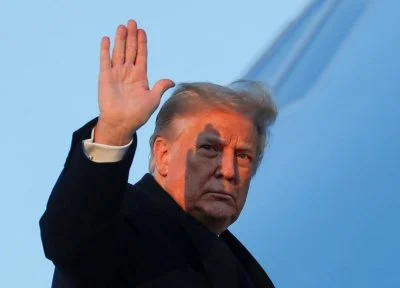
US President Donald Trump said that tariffs have become one of the key tools for stabilizing the American pharmaceutical market and reducing drug prices for citizens.
According to Censor.NET, this was stated in a speech by the US president at the World Economic Forum in Davos.
According to Trump, the United States is no longer willing to pay significantly more for medicines than other countries. He stressed that the current policy is aimed at protecting the interests of American consumers and ending the practice of global subsidization at the expense of the US.
Customs policy and the pharmaceutical market
The head of the White House said that tariffs were used as a means of pressure during negotiations with European partners. In particular, he mentioned a conversation with French President Emmanuel Macron, in which the issue of the cost of medicines was raised.
"The US is not going to subsidize the whole world. We will pay the lowest price in the world," Donald Trump said.
The president stressed that this strategy should lead to lower drug prices not only in the US but also in other markets. According to him, tariffs were mainly imposed on countries with significant trade deficits in their relations with the United States.
Trade with allies and new tariffs
Trump acknowledged that tariff decisions could put pressure on US partners. At the same time, he noted that the administration is trying to be flexible. As an example, he cited Switzerland, for which the tariff was initially 30% but was later reduced.
The US president said that the US is effectively "propping up the global economy" and therefore expects fairer trade conditions. He also confirmed plans to raise tariffs on a number of European countries.
- From February 1, the United States intends to impose a 10% tariff on goods from the United Kingdom, Denmark, Norway, Sweden, France, Germany, the Netherlands, and Finland.
- From June 1, these tariffs may increase by up to 25%.
Trump links these steps to the economic and political interests of the United States, in particular to the issue of Greenland.


