



Russia and Ukraine change drone tactics due to emergence of "hedgehog tanks," - Forbes
Drone Industry
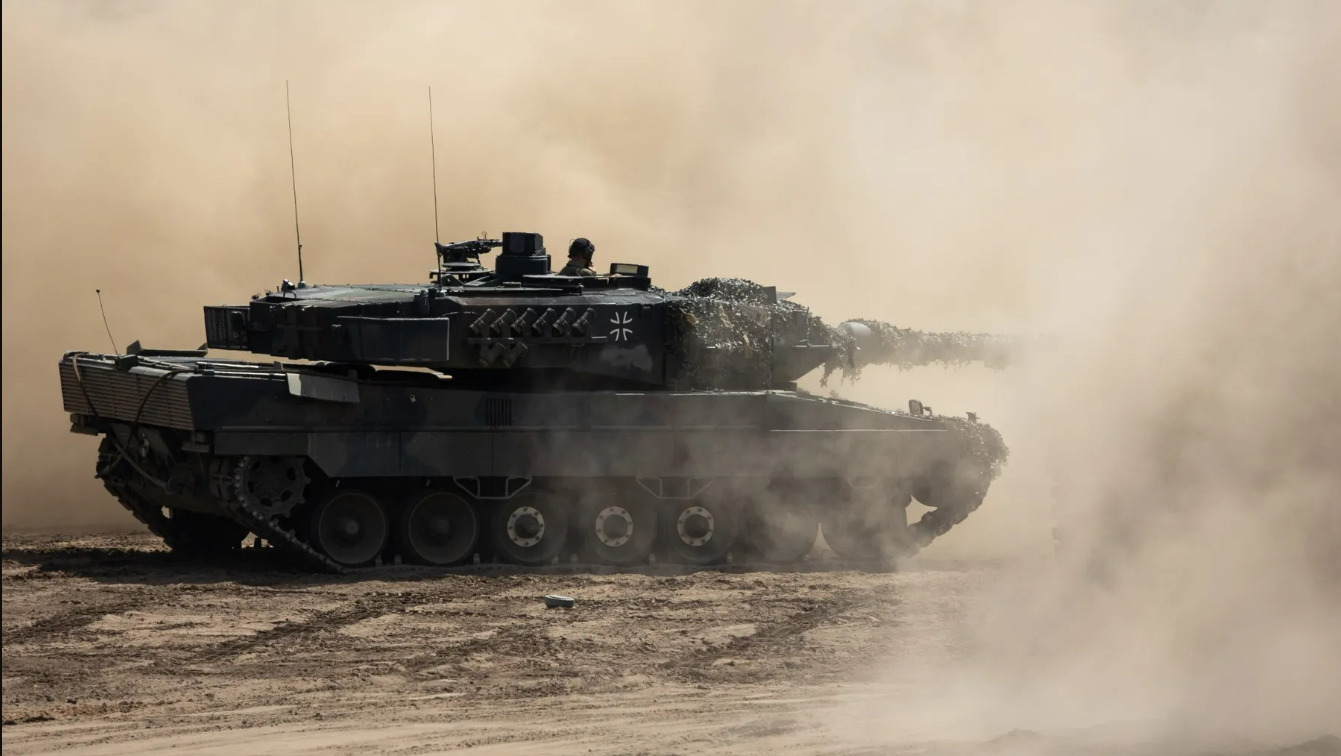
Russia and Ukraine are adapting their tactics for using drones and weapons in response to the spread of so-called "hedgehog tanks" — armoured vehicles with improvised protection against FPV drones.
This was reported by Censor.NET, writes Forbes.
Armoured vehicles – tanks, infantry fighting vehicles and self-propelled artillery – remain the backbone of both armies' offensive and defensive operations, but the widespread use of drones has significantly limited their effectiveness.
"Hedgehog tanks" have become the next stage in the evolution of armour protection. These are metal spikes, wires or bundles of steel cables that protrude 30-60 centimetres from the hull and cause FPV drones to detonate or lose control before they even come into contact with the vehicle.
Similar structures have been spotted on Russian T-72 and T-90 tanks in the Donetsk and Zaporizhzhia regions, as well as on Ukrainian armoured vehicles, including the M113 APC. Videos are circulating on social media showing soldiers from both sides welding such protection in the field.
In response, the sides began to use multi-layered drone attacks: first, an FPV drone damages the protective structure, after which the target is struck with heavier ammunition or a hovering drone. Explosive penetrators capable of piercing armour when detonated at a distance are also being tested.
Disadvantages of "hedgehog tanks"
At the same time, "hedgehog tanks" have significant drawbacks - the additional weight reduces speed and manoeuvrability, makes it more difficult to overcome obstacles and increases the load on the transmission. Analysts note that such solutions are temporary, as each new protective solution quickly gives rise to ways of overcoming it.


