ENG




8002 visitors online
The use and destruction of Armoured Personnel Carriers (APCs) continue to be pivotal in Ukraine's defense. Recent strikes have shown drones effectively targeting Russian APCs, notably in the Donetsk and Zaporizhzhia regions. Units like the DIU and Phoenix border guards have utilized RAM-2X and FPV drones to neutralize these armoured threats. Moreover, Latvia and Italy have contributed by supplying Patria and M113 APCs to bolster Ukraine's military capabilities. These maneuvers highlight the strategic significance of APCs in modern warfare, underscoring their role in both offensive and defensive operations.
What are the latest uses of APCs in Ukraine's defense?
APCs have been crucial in Ukraine's defense, with drone strikes effectively targeting occupying forces' APCs. Ukrainian units have also received new APCs from Latvia and other allies, enhancing their capabilities.
How are drones impacting the effectiveness of APCs?
Drones have transformed modern warfare, enabling precise strikes on APCs, causing significant damage to enemy forces. Units like DIU and Phoenix border guards have been successful in employing drones for these operations.
Which countries are supplying APCs to Ukraine?
Ukraine has received APCs from Latvia, Italy, and Lithuania, enhancing its arsenal with Patria and M113 models. These contributions from international allies significantly support Ukraine's defense efforts.
What upgrades have Ukrainian APCs recently received?
Ukrainian APCs, such as the M113, have been upgraded with the new Tavria 14.5/7.62 combat module, increasing their firepower and adapting them to Ukraine's specific defense needs in the ongoing conflict.
Why are APCs a target for drone strikes in the conflict?
APCs are key military assets, providing mobility and protection for troops. Neutralizing them disrupts enemy troop movements and logistic operations, making them a priority target in conflict zones like Ukraine.
How has the international community supported Ukraine with APCs?
Countries like the United States, Latvia, and Italy have supplied APCs as part of military aid packages, providing essential equipment that bolsters Ukraine's defense capabilities against ongoing aggressions.
What role do APCs play in current military strategies in Ukraine?
APCs are vital for transporting troops and equipment securely across combat zones. They are central to both defensive and offensive military operations, ensuring rapid response and protection against enemy fire.
Have there been any recent incidents involving APCs in Ukraine?
Several incidents involving APCs have been reported, including successful drone attacks on Russian APCs and the delivery of new APCs to Ukraine's Armed Forces, contributing to strategic military shifts in the conflict.
What are the key features of the Patria APCs received by Ukraine?
The Patria APCs are 6x6 vehicles, known for their mobility and adaptability in various terrains. They are crucial additions to Ukraine's forces, offering enhanced protection and operational versatility in battlefield scenarios.
News APC
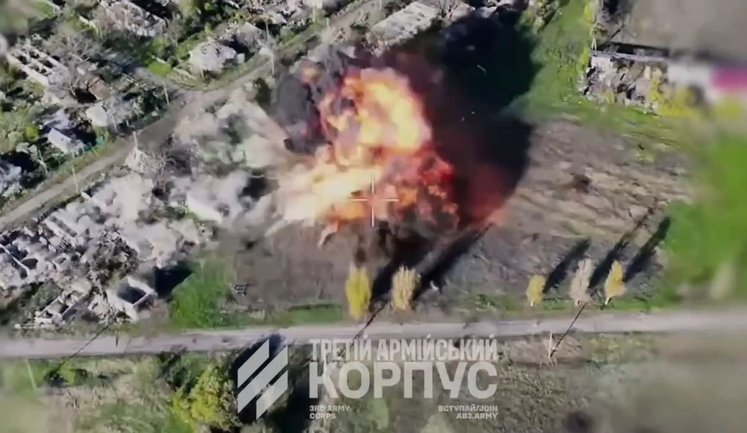
 Operation Vivaldi: Third Assault Brigade turns 2 Soviet APCs into kamikaze ground drones, blows up occupiers’ fortifications in Lyman sector. VIDEO Fighters of the Third Assault Brigade converted two Soviet armored personnel carriers into unmanned ground vehicles packed with explosives during Operation Vivaldi and sent them toward the positions of Russian occupiers. 7 780 8 Previously in trend: Hostilities in Lyman sector Operation Vivaldi
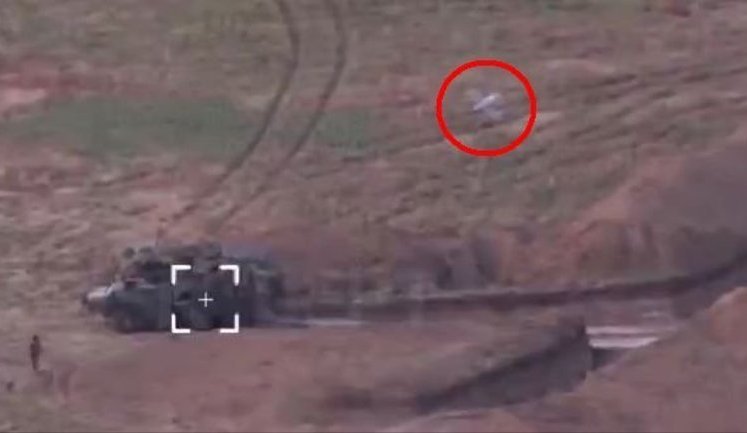
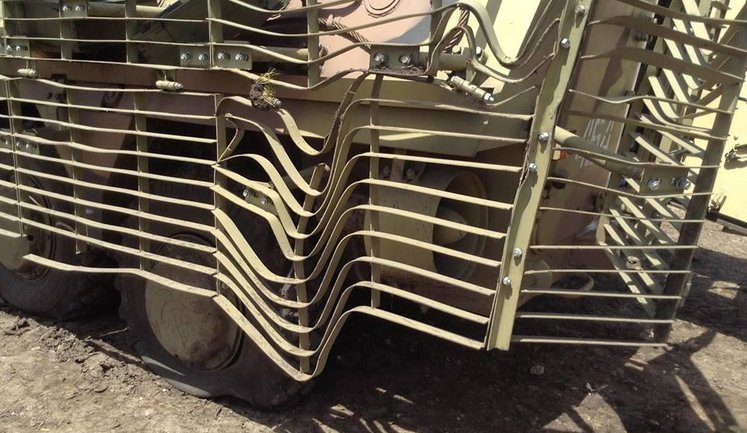
 Drone finds enemy APC fitted with cope cage in hiding place and sets it ablaze. VIDEO A video has been posted online showing a strike on Russian armoured vehicles in the Donetsk region. 2 351 2 Previously in trend: Destruction of Russian equipment
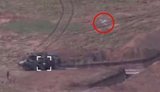 DIU fighters struck Russian BTR-82 using RAM-2X drone in Zaporizhzhia region. VIDEO In the Zaporizhzhia region, armoured vehicles belonging to the Russian occupying forces were hit by a Ukrainian unmanned aerial vehicle. The strike was carried out by units of the Defence Intelligence of the Ministry of Defence of Ukraine. 5 067 3 Previously in trend: Destruction of Russian equipment
 Phoenix border guards used FPV drone to strike armoured personnel carrier with occupier who was firing while standing on armour. VIDEO Border guards from the Phoenix unit struck enemy armoured vehicles and logistics in the Toretsk direction with FPV drones. 5 574 4 Previously in trend: Destruction of Russian equipment Hostilities in Toretsk sector Fighting in the Toretsk direction Drone operators
 Drones of 125th Separate Heavy Mechanized Brigade strike four occupiers and APC in Lyman direction. VIDEO Drones of the Third Army Corps operated by fighters of the unmanned systems battalion of the 125th Separate Heavy Mechanized Brigade struck the occupiers and enemy armored vehicles. 1 871 1 Previously in trend: Destruction of Russian equipment Elimination of Russian occupying forces Hostilities in Lyman sector
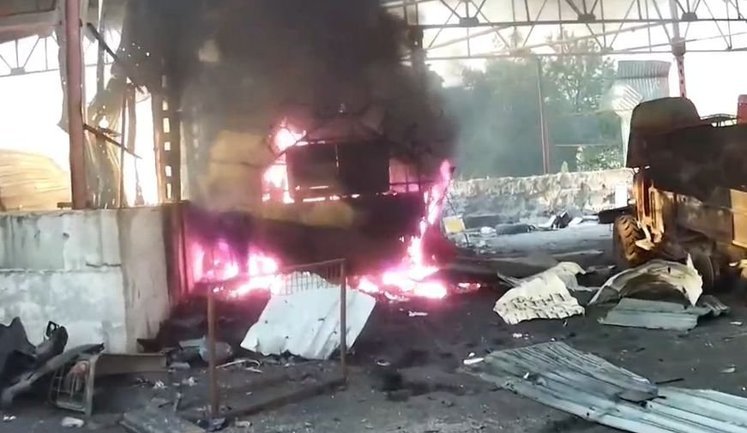
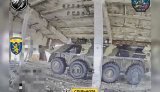 Black Swift battalion pilots destroy two enemy APCs in hangar in Sumy region. VIDEO Pilots of the Black Swift unmanned systems battalion smashed two occupiers’ APCs to pieces during combat sorties. 3 304 7 Previously in trend: Destruction of Russian equipment Fighting in Sumy region
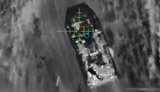 Ukrainian Vampire strike drone hit a Russian BTR-82A with troops near Dobropillia. VIDEO The Ukrainian Defence Forces have dealt another effective blow to Russian armoured vehicles in the Donetsk region. 5 878 0
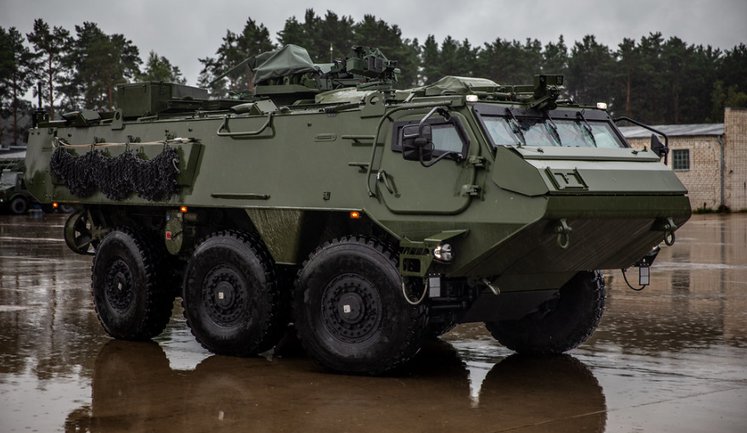
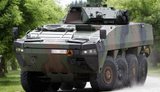 Ukraine to receive another 21 Patria armored personnel carriers from Latvia Ukraine will receive another 21 Patria 6x6 armored personnel carriers from Latvia, manufactured at the Latvian company Defence Partnership Latvia. 1 837 4 Previously in trend: Latvia’s aid to Ukraine
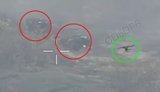 Enemy BTR-82A and six soldiers taken out: 33rd SMB repels assault near Volodymyrivka. VIDEO Ukrainian troops have stopped a Russian attempt to break through near Volodymyrivka in Donetsk region. 3 188 1 Previously in trend: Elimination of Russian occupying forces
 Kryla Omehy unit’s drone sets Russian APC on fire. VIDEO FPV drone operators from the separate "Kryla Omehy" ( "Wings of Omega") unit have released footage of a strike on a Russian armored personnel carrier. 2 106 0 Previously in trend: Destruction of Russian equipment
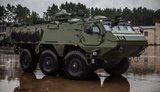 Latvia has transferred another batch of Patria armoured personnel carriers to Ukraine. PHOTOS Latvia has handed over another batch of Latvian-made 6x6 Patria armoured personnel carriers and other military equipment to the Armed Forces of Ukraine. 4 848 8 Previously in trend: Latvia’s aid to Ukraine
 Ukrainian kamikaze drone destroys occupiers’ Pantsir-S1 ADMGS worth $14 million. VIDEO Crews of the 429th Separate UAV Regiment "Achilles" disabled an enemy Pantsir-S1 air defense missile and gun system (ADMGS). 5 829 3 Previously in trend: Situation at front
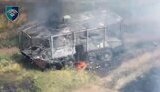 Marines destroyed Russian armoured personnel carrier with kamikaze drone strike. VIDEO Soldiers of the 38th Separate Marine Brigade named after Hetman Petro Sahaidachny destroyed a Russian armoured personnel carrier. 4 163 4 Previously in trend: Situation at front
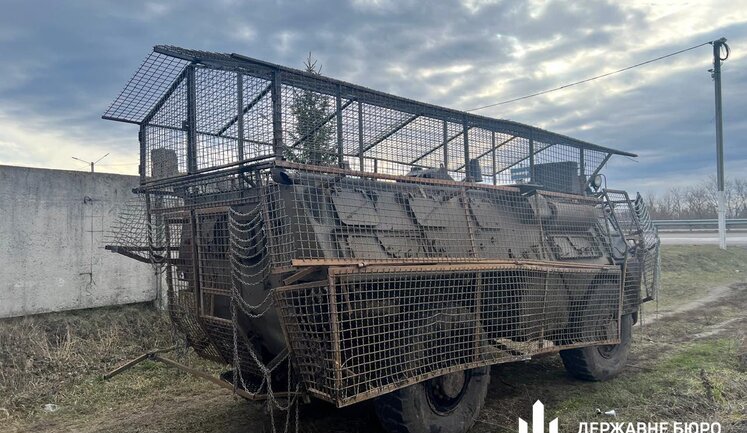
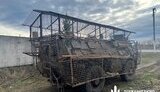 Soldier who stole APC and fled was sentenced to 7 years in prison in Sumy region, - SBI. PHOTOS A serviceman of a Sumy region unit was sentenced to 7 years in prison for desertion and theft of military equipment. 6 615 11 Previously in trend: AWOL in AFU
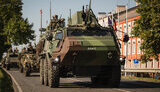 Latvia hands over batch of Patria armored personnel carriers to Ukraine, - Defense Ministry Latvia has handed over a batch of Patria 6x6 armored personnel carriers to the Armed Forces of Ukraine as part of a new military aid package. 5 865 20 Previously in trend: Latvia’s aid to Ukraine
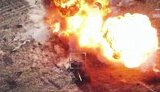 Destruction of Russian convoy of four armoured vehicles during attempted mechanised assault. VIDEO Soldiers of the "Force of Freedom" battalion of the 4th "Rubizh" National Guard Brigade repelled a mechanised assault and destroyed a Russian army convoy of four armoured vehicles. 6 980 16 Previously in trend: Destruction of Russian equipment Elimination of Russian occupying forces
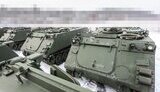 Italy to hand over 400 M113 armored personnel carriers to Ukraine - il Giornale Italy intends to approve the eleventh military aid package for Ukraine, which will include 400 M113 armored personnel carriers. 5 748 19 Previously in trend: Italy’s support for Ukraine
 Drones of 53rd SMB destroyed three Russian APCs in Lyman sector. VIDEO The pilots of the Signum unit of the 53rd Separate Mechanised Brigade (SMB), together with adjacent units, destroyed three enemy APCs that were moving in a convoy towards our positions in the Lyman sector. 2 211 2 Previously in trend: Elimination of Russian occupying forces
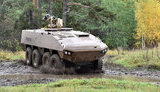 Danish Defense Forces to order 130 Finnish Patria armored personnel carriers Denmark has announced a contract for the purchase of 130 Patria armored personnel carriers manufactured in Finland. The Danish Armed Forces will receive a small number of armored personnel carriers this year. 2 402 1
 Soldiers of 43rd SMB routed convoy of enemy troops advancing to storm their positions: tank, three IFVs, BTR-80 were destroyed. VIDEO In the Kupiansk direction, fighters of the 43rd Separate Mechanised Brigade (SMB) routed a convoy of occupiers' troops who were storming the positions. 6 167 2 Previously in trend: Situation at front
 Ukrainian troops destroy tank, 2 IFVs, and armoured personnel carrier in Kupiansk sector. VIDEO Fighters of the 429th Separate Regiment of Unmanned Systems "ACHILLES" dealt a devastating blow to Russian armored vehicles in the Kupyansk direction. 1 908 2 Previously in trend: Situation at front
 Thirteen bodies of eliminated occupiers lie scattered around destroyed Russian APC. VIDEO 18+ A video was posted online showing a Russian assault group attempting to attack Ukrainian positions with an APC (armoured personnel carrier). 12 375 26 Previously in trend: War
 Lithuania has delivered spare parts for M113 APCs and heavy trucks to Ukraine – Ministry of Defense Lithuania has sent Ukraine another package of military aid, which includes spare parts for M113 armored personnel carriers and heavy trucks. 1 262 4 Previously in trend: Aid to Ukraine
 Ukrainian Armed Forces destroy truck, two APCs-80 and antenna for reinforcing occupiers’ communications in the Vovchansk drection. VIDEO Border guards of the Gart Brigade struck at enemy positions in the Vovchansk sector. Mortars and attack drones destroyed a truck, two APCs-80 and an occupier's communication antenna. 2 703 1 Previously in trend: War
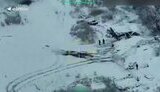 Our artillery destroyed mortar position, APC-80, enemy UAV launch point and fortifications. VIDEO The border guards of the Hart Brigade of the Ukrainian Defence Forces continue to destroy the equipment of the Russian occupation forces. Thus, artillerymen destroyed a mortar position, an APC-80, an enemy UAV launch point and fortifications near Vovchansk. 3 905 4 Previously in trend: War
 Soldiers of separate "Wings of Omega" unit destroyed two Russian armoured personnel carriers with their crews using FPV drones. VIDEO Soldiers of a separate "Wings of Omega" unit destroyed two Russian armoured personnel carriers with their crews using FPV drones. 6 111 2
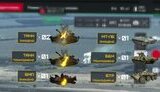 Ukrainian troops halted enemy assault in Kupiansk direction and destroy 2 tanks, IFVs and MTLB. VIDEO Soldiers of the Achilles Strike UAV Battalion of the 92nd Brigade, together with the Guardsmen of the 1st Burevii Brigade and paratroopers of the 77th Brigade, destroyed and damaged 7 units of Russian military equipment. 3 665 3 Previously in trend: War
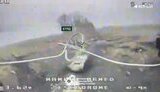 Border guards knock out occupiers’ Soviet APC-D in Sumy direction. VIDEO While performing combat missions in the Sumy direction, soldiers of the "Steel Frontier" brigade detected an enemy APC-D. The defenders destroyed the enemy armored personnel carrier with an accurate FPV drone strike. The enemy's losses are currently being clarified. 7 274 15
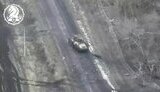 Soldiers of 47th SMB destroy 5 units of enemy equipment in Kursk region. VIDEO Artillerymen of the 47th Separate Mechanized Brigade (SMB) together with pilots fired at the Russians with Paladins, 122-mm howitzers, mortars and FPV drones. 4 775 2 Previously in trend: War
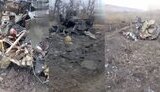 Russian APC-82, densely packed with liquidated occupiers, with its turret torn off, lying upside down on field road. VIDEO 18+ A video was posted online showing the occupiers filming their destroyed APC-82 with their infantry accomplices. 24 908 40 Previously in trend: War
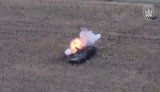 "Magyar’s Birds" eliminated Russian APC-82: enemy left its wounded to fend for themselves in Kursk Oblast. VIDEO Ukrainian soldiers from the 414th regiment of the "Magyar Birds" USF hit the "meat dynamic protection" of a Russian APC-82 and then destroyed the vehicle itself near the village of Pohrebky, Kursk region. 5 471 10 Previously in trend: War
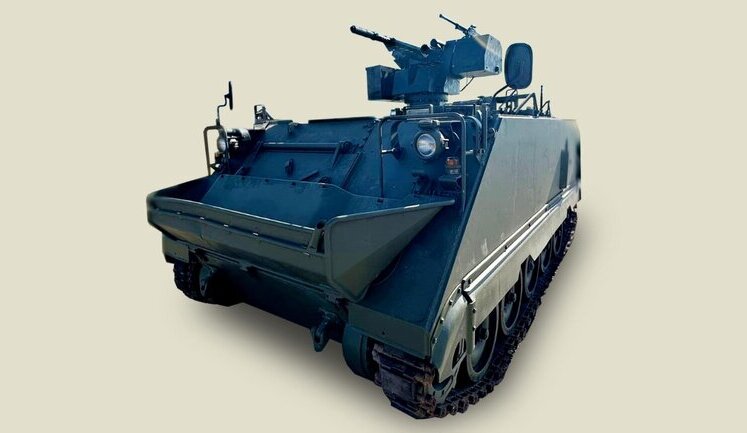
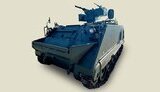 M113 armoured personnel carrier reinforced with new Ukrainian-made "Tavria 14.5/7.62" combat module - Ministry of Defence. PHOTO Ukrainian gunsmiths have enhanced the firepower of the M113 armoured personnel carrier that the Defence Forces are receiving as part of international assistance. They produced a Tavria 14.5/7.62 remote-controlled module and installed it on the armour of the APC. 4 994 1
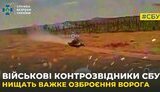 SSU military counterintelligence servicemen destroyed 67 units of enemy’s heavy weapons, including: tanks, AFVs, APCs, MTLBs. VIDEO Soldiers from the SSU Military Counterintelligence Department destroyed 67 pieces of enemy heavy weapons using attack drones. Only recently they managed to attack: 11 tanks, 27 AFVs, 2 IFVs, 2 APCs and 1 MTLB, 20 artillery systems and 2 BM-21 Grad, Strela-10 and ZU-23-2 MLRS. 4 384 3 Previously in trend: War
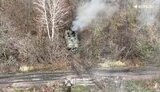 Border guards destroyed Russian invaders’ BTR-70 with kamikaze drone strike. VIDEO Border guards destroyed a BTR-70 armoured personnel carrier with a kamikaze drone strike. 3 651 1 Previously in trend: War
 In October, 7 APCs, 7 IFVs, 1 armored car, and 5 T-72 tanks of occupiers were destroyed in Kursk region. VIDEO Thanks to the minefields installed by the engineer troops of the Support Forces as part of the tactical support group in the Kursk region, 7 armored personnel carriers, 7 infantry fighting vehicles, 1 Tiger armored vehicle, and 5 T-722 tanks of the occupiers were destroyed or damaged in October... 3 481 2 Previously in trend: War
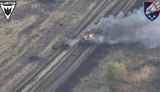 Soldiers of 25th Separate Airborne Brigade attack "loaf" and three Russian armored personnel carriers in Pokrovsk direction. VIDEO Soldiers of the ALASTOR special forces unit of the 25th separate airborne brigade of the Sicheslav brigade attacked a "loaf" and three enemy armoured personnel carriers with kamikaze drones in the Pokrovsk direction. 5 605 0 Previously in trend: War
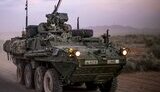 Military aid from United States: Ukraine will receive 200 more Stryker armored personnel carriers As part of the previously announced $425 million aid package from the United States, Ukraine will receive at least 212 high-speed eight-wheeled Stryker armored personnel carriers to be transferred to units fighting in the Kursk region of the Russian Federation. 8 982 43
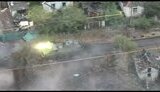 Crew of Ukrainian BTR-4E "Bucephal" destroys fortifications of occupiers in Pokrovsk direction. VIDEO A video has been posted online showing fragments of the combat work of the crew of the Bucephalus APCS-4E on the frontline. 14 966 13 Previously in trend: War
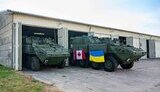 Ukraine received batch of LAV armored personnel carriers from Canada. PHOTO Canada has shipped a batch of LAV 6.0 ACSV armored personnel carriers to the Ukrainian Armed Forces. The equipment will be handed over to Ukrainian troops at a base in Germany. The date of the transfer and the number of vehicles delivered were not disclosed. 8 249 27
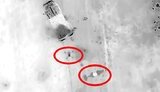 At least four drones almost simultaneously attack and destroy the enemy APC-82 with occupants. VIDEO Drone operators from the 68th Dovbush Brigade destroyed an enemy APC-82 whose crew was trying to land assault troops. 12 501 8 Previously in trend: War
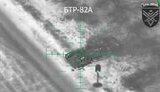 Dovbush’s Hornets attacked enemy APC-82A and dugout with personnel. VIDEO The soldiers of the 68th Separate Jaeger Brigade named after Oleksa Dovbush destroyed an enemy APC-82A and a dugout with personnel with accurate ammunition drops. 3 463 1 Previously in trend: War
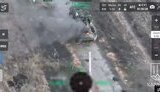 National Guard destroyed Russian APC with its crew in Donetsk region. VIDEO Soldiers of the 15th Kara-Dag Operational Brigade of the National Guard destroyed a Russian armoured personnel carrier near Selydove in the Donetsk region. The crew of the enemy armoured personnel carrier was eliminated. 5 668 4 Previously in trend: War
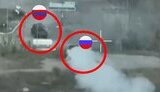 Two Russian armored vehicles ram into each other on battlefield. VIDEO Drone operators of the 68th Oleksa Dovbush Brigade captured the moment of an accident between two Russian armoured vehicles on the battlefield. 15 287 8 Previously in trend: War
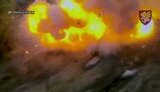 Detonation of enemy APC-82A ammunition in Kursk region. VIDEO Soldiers of the 95th Separate Air Assault Brigade destroyed a Russian APC-82A in the Kursk region. 10 576 3 Previously in trend: War
 BTR-4 Bucephalus crew fires at Russian positions in Pokrovsk direction with 30-mm cannon. VIDEO A video of the combat work of the Ukrainian-made BTR-4 Bucephalus crew has been published online. 8 868 9 Previously in trend: War
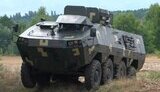 Ministry of Defense has authorized supply of Ukrainian armored personnel carrier "Khorunzhyi" to Armed Forces of Ukraine. PHOTO The Ministry of Defence of Ukraine has codified and approved for delivery to the Armed Forces of Ukraine the domestic armoured personnel carrier Khorunzhyi, which is the result of a deep modernisation of the Soviet APC-60. 11 467 34 Previously in trend: War
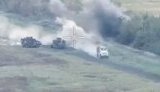 Drivers of two MaxxPro armored vehicles under fire from occupiers evacuate soldiers of 68th SJB from semi-encirclement. VIDEO The drivers of two MaxxPro armoured vehicles evacuated a group of soldiers from the 68th SJR (Separate Jaeger Brigade) Oleksa Dovbush who were in a critical situation on the battlefield under heavy fire. 12 458 26 Previously in trend: War
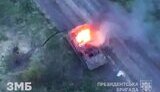 Soldiers of Presidential Brigade destroy enemy equipment together with Russian invaders. VIDEO Soldiers of the Bohdan Khmelnytskyi Separate Presidential Brigade from the BULAVA unit destroyed an enemy APC and a tank with kamikaze drones and eliminated the occupiers hiding in abandoned buildings. 6 721 13 Previously in trend: War
Page 1 of 4
more news