



Iranian drones attack QatarEnergy: 20% of the global LNG market under threat
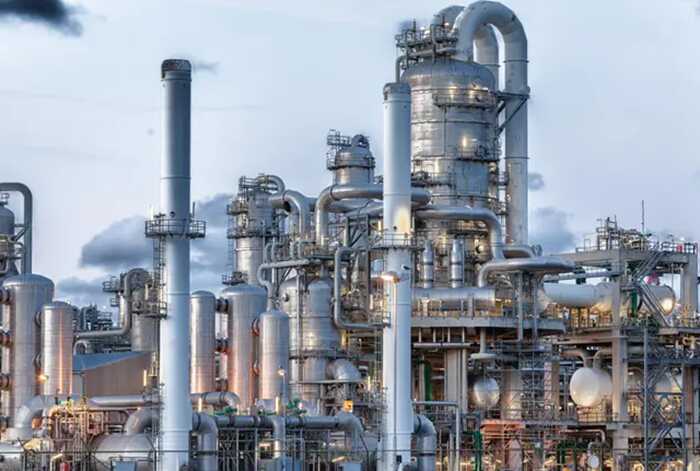
After two Iranian drones struck QatarEnergy facilities, Qatar temporarily halted production of liquefied natural gas, which accounts for about 20% of global supply.
According to Censor.NET, this was reported by Reuters.
It is noted that the Qatari government is currently assessing the extent of damage after two Iranian drones attacked a QatarEnergy energy facility. Qatar's liquefied natural gas production accounts for approximately 20% of global supply, making the country one of the key players in the global energy market.
The Persian Gulf state is the world's second-largest exporter of LNG after the US and plays an important role in balancing the needs of the Asian and European markets. The main operator in the industry is the state-owned company QatarEnergy, with about 82% of its customer base consisting of Asian countries.
The attacks affected the regional energy market
The wave of attacks in the Middle East has been going on for three days now and is having a wider impact on the region's energy sector. In particular, most oil production in Iraqi Kurdistan has been halted, and several large Israeli gas fields have been shut down.
This, in turn, has limited gas exports to Egypt and heightened concerns about the stability of energy supplies to international markets.
The shutdown of the Ras Tanura plant and its impact on the market
Saudi Arabia has shut down the country's largest oil refinery after a drone strike, according to a source familiar with the situation.
The Ras Tanura oil refinery, owned by state-owned Saudi Aramco, with a capacity of 550,000 barrels per day, was shut down as a precautionary measure. It is located within an energy complex on the Persian Gulf coast and is also a critical export terminal for Saudi crude oil.
As a result of the conflict, intraday oil prices rose 13% to over $82 per barrel, the highest level since January 2025. The situation worsened due to the virtual shutdown of shipping in the Strait of Hormuz, through which one-fifth of the world's oil supplies pass.


