



Massive missile strike by Russian Federation: enemy used record number of ballistic missiles for first time - Air Force
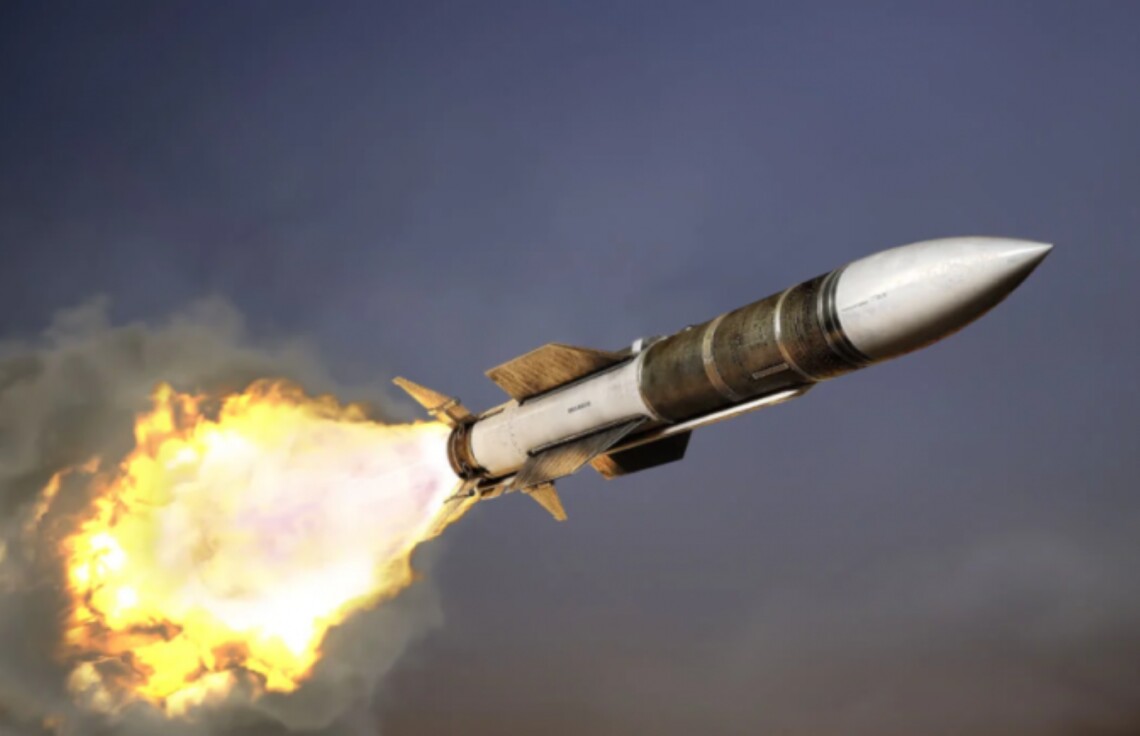
The Russian attack lasted 24 hours and consisted of two waves of strikes. For the first time, Russia deployed a record number of ballistic missiles and changed its cruise missile tactics.
According to Censor.NET, this was stated on air during a telethon by Yurii Ihnat, head of the Communications Department of the Ukrainian Air Force Command.
"It was, in fact, a 24-hour attack that lasted from 7 a.m. yesterday until 7 a.m. today, April 16, during which the enemy deployed a large number of air assets," Ihnat explained.
Two waves of attacks
According to him, the first wave of the attack consisted of 20 cruise missiles, 19 of which—air-launched Kh-101 missiles—were intercepted. Only one hit was recorded.
This was followed by a second wave—a ballistic one: 19 Iskander-M or S-400 missiles struck four regions—Kyiv, Dnipro, Kharkiv, and Odesa. Five hits were recorded in the capital, with casualties reported.
Air Defense Operations
In total, over the past 24 hours, the electronic warfare units detected 703 aerial targets—including missiles and drones.
Russian forces employed a new shelling tactic, particularly regarding the timing of cruise missile strikes. Previously, attacks had mostly taken place in the early morning, but this time the pattern was different.
"Cruise missiles are, at the very least, being shot down; sometimes the success rate reaches as high as 100%, thanks primarily to the efforts of our tactical aviation, specifically the F-16s. At the same time, the effectiveness of countering ballistic missiles remains lower: out of 19 missiles, 8 were shot down. "Ballistics remains our 'Achilles’ heel' today," Ignat noted.
He also emphasized the need to strengthen air defense systems and supply them with missiles, particularly PAC-3 missiles for the Patriot system, which are key to improving interception capabilities.
According to Ignat, the attack was preceded by reconnaissance activities: the day before, the Russians deployed more than 300 drones, which may have been part of the preparations for a massive strike.


