



Hungary has lifted its veto on payment of €40 billion to EU countries for arms supplies to Ukraine, - Politico
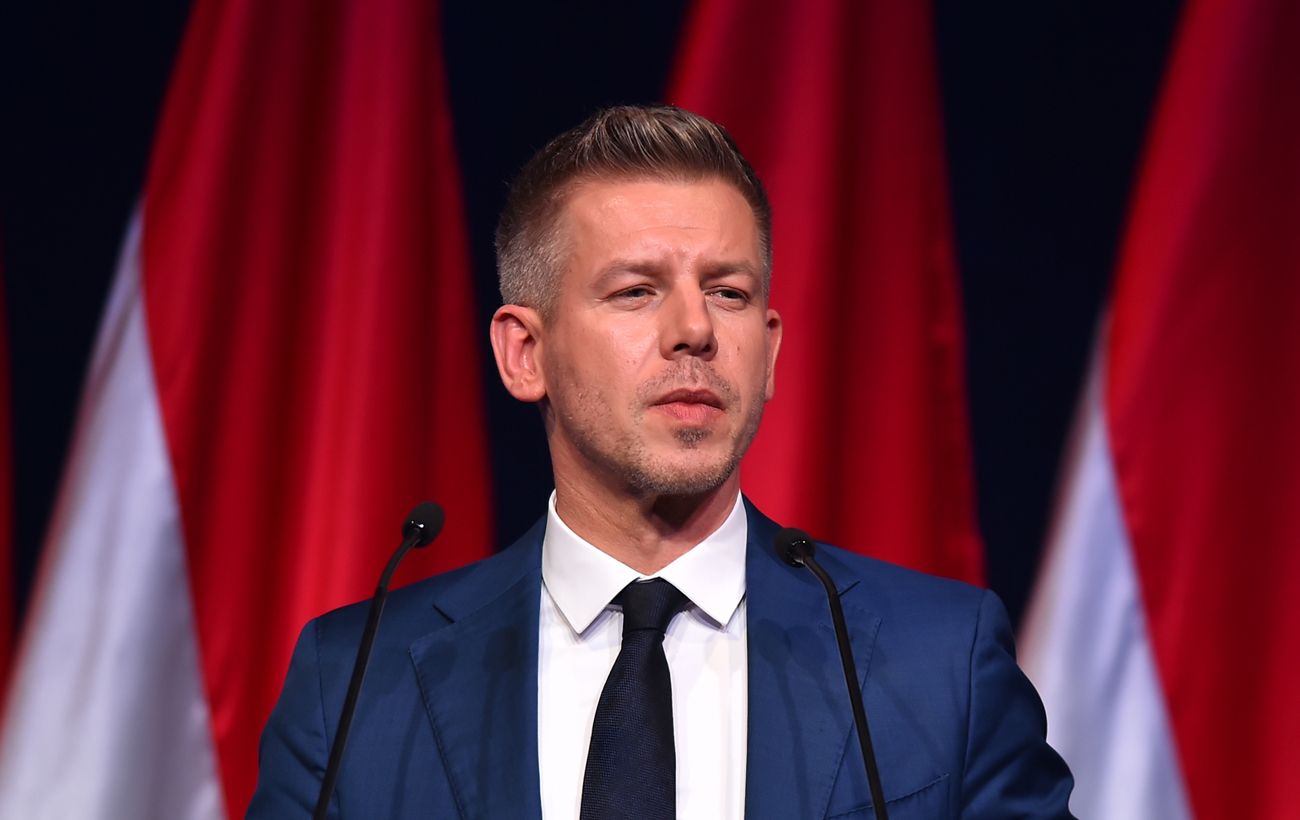
Hungary’snew government has lifted its veto on the partial reimbursement to EU countries of the cost of weapons they send to Ukraine, bringing an end to a two-year deadlock caused by Viktor Orbán’s previous government. This decision allows the first €6.6 billion to be released immediately.
This was reported by Politico, citing six EU diplomats, according toCensor.NET.
Details of Budapest’s decision
The change in position was announced on Monday by the Hungarian ambassador at a meeting of the EU Council’s Political and Security Committee. The decision by Péter Magyar’s government lifts the two-year block imposed by former Prime Minister Viktor Orbán.
- It should be noted that the European Peace Facility (EPF) is a key off-budget EU mechanism that reimburses member states for around 40% of the cost of weapons, ammunition, tanks and air defence missiles allocated to Ukraine from their own arsenals. As decisions within the fund require absolute unanimity, Budapest has used this right to cynically blackmail Brussels.
Since the start of 2023, Hungary has consistently blocked any payments from the EPF, demanding political concessions from Kyiv that had nothing to do with the defence sector. This artificially created a debt to other EU members amounting to over 40 billion euros.
This behaviour by the Hungarian side provoked outrage among the largest donor countries, notably Germany and the Netherlands. Brussels was forced to frantically seek legal workarounds to ensure uninterrupted supplies of ammunition to the Ukrainian Armed Forces at a time of maximum offensive by Russian forces.
Lifting the veto.Hungary’s latest move releases the first €6.6 billion for immediate disbursement, with the amount of future tranches set to increase. An anonymous EU diplomat stated that this would provide a powerful positive boost to the states that have provided Ukraine with the most support and would finally balance the financial burden within the bloc.
What will happen to the money next?
With the Hungarian obstacle removed, EU capitals now face new technical challenges. European governments will have to approve updated criteria for the use of these billions of euros. It is expected that the issues will be discussed in detail as early as next week during an informal meeting of EU defence ministers in Cyprus.
The lifting of the veto is part of Magyar’s broader drive to normalise relations with the EU, NATO and Ukraine, adds Politico.


