



Zelenskyy calls Putin’s response to letter "weak": Russia does not want to end war
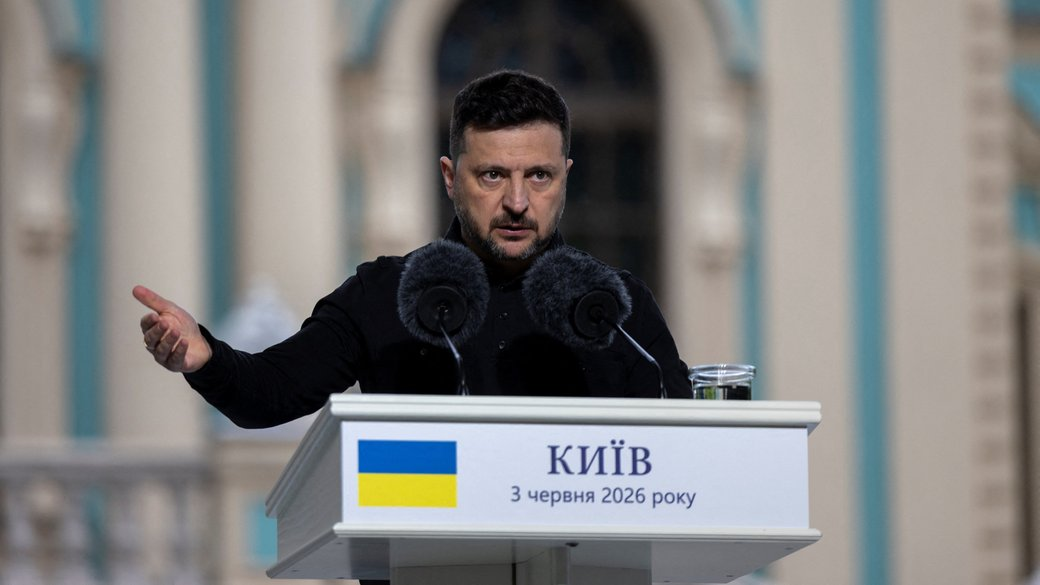
Ukrainian President Volodymyr Zelenskyy called Russian leader Vladimir Putin’s response to his letter, in which he proposed ending the war, "weak."
He said this in his evening address on June 5, Censor.NET informs.
Ukraine’s reaction to dictator’s statements
According to Zelenskyy, the Russian leader’s response shows the Kremlin’s unwillingness to end the war.
"Unfortunately, the Russian side is again choosing war. Everyone heard today’s response. A weak response. He simply does not want to end the war. I think this response disappointed many people around the world," the president said.
In his view, Putin does not seek to change the current situation or acknowledge the consequences of the war he unleashed.
Zelenskyy stressed that the international community’s response should be increased pressure on Russia, including economic pressure.
"That means Russia must have less money, and there must be more pressure on Russia," the president said.
Zelenskyy also thanked the countries and partners that continue to support Ukraine and emphasized the need to achieve real peace.
Background
- On 4 June, Ukrainian President Volodymyr Zelenskyy published an open letter to Russian dictator Vladimir Putin, in which he proposed a meeting.
- In the letter, Zelenskyy proposed ending the war "in a format between us and you" and setting a clear date for the meeting. Among the countries that could host such a meeting, the head of state named Switzerland, Turkey and countries of the Arab world.
- Ukraine is ready to fully cease fire for the duration of the negotiations, and the United States could provide monitoring.
- The Ukrainian president believes that a full exchange of prisoners of war under the all-for-all principle could be a good prologue to ending the war. Zelenskyy also stressed steps to return civilians and children who were taken away during the war.
- On June 5, Putin said he had "briefly" read Zelenskyy’s open letter in the morning and had "never refused" to meet the Ukrainian president, but was against "engaging in pointless talk" and "saw no point" in direct negotiations now.


