



Lavrov called Zelenskyy "Führer" and threatened to defend Belarus "with whole range of measures"
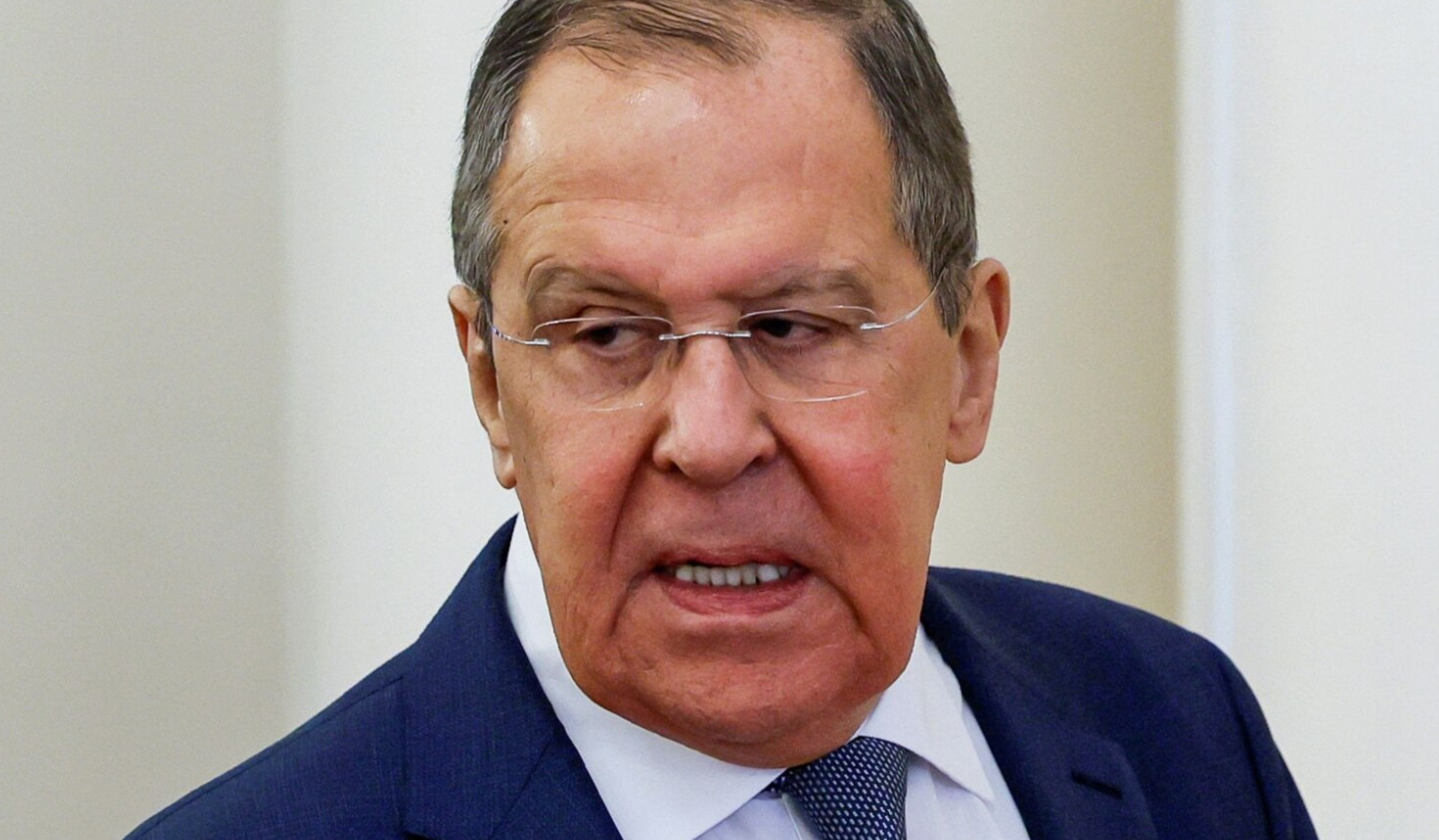
The Russian Federation intends to use all means available under the Union Treaty to maintain the security of Belarus and the Union State.
This was stated by the Russian Foreign Minister, Sergey Lavrov, according to Censor.NET, citing Russian media reports.
Russia will defend Belarus
Speaking at a round-table discussion on resolving the war in Ukraine, Lavrov responded to comments made by Ukrainian President Volodymyr Zelenskyy regarding Belarus.
According to the head of the Russian Foreign Ministry, these statements are allegedly intended to drag Belarus into the war and expand the theatre of operations.
"This is clearly aimed at dragging Belarus directly into the conflict and expanding the geographical scope of the hostilities, thereby making it more difficult to resolve the conflict through political and diplomatic means," argues Lavrov.
He pointed out that a treaty on security guarantees within the Union State has been in force between Russia and Belarus since March 2025. Should any threats arise, the Russian Federation will act in accordance with this treaty.
"If necessary, we are prepared to take the full range of measures provided for in the treaty to ensure the security of our ally and, of course, the security of the Union State," Lavrov added.
He did not specify exactly what he meant.
Criticism directed at Zelenskyy
Furthermore, Lavrov referred to Zelensky as a "Führer".
"The Führer – he really is the Führer. He was cast in the role of the Führer after being spotted in an amateur production, but, you see, this character has proved to be infectious," he assured them.
What led up to it?
- The day before, President Volodymyr Zelenskyy responded to the "apology" from the Belarusian dictator Alexander Lukashenko and gave Minsk a week to remove the equipment being used by the Russians to direct attacks on Ukraine – otherwise Kyiv would do so itself.
- Zelenskyy explained that this public ultimatum was the final step following a series of private warnings, which the Belarusian side had ignored.


