



Ukrainian drones have struck oil refineries in Russia nearly 200 times since start of year, - FT
Drone Industry
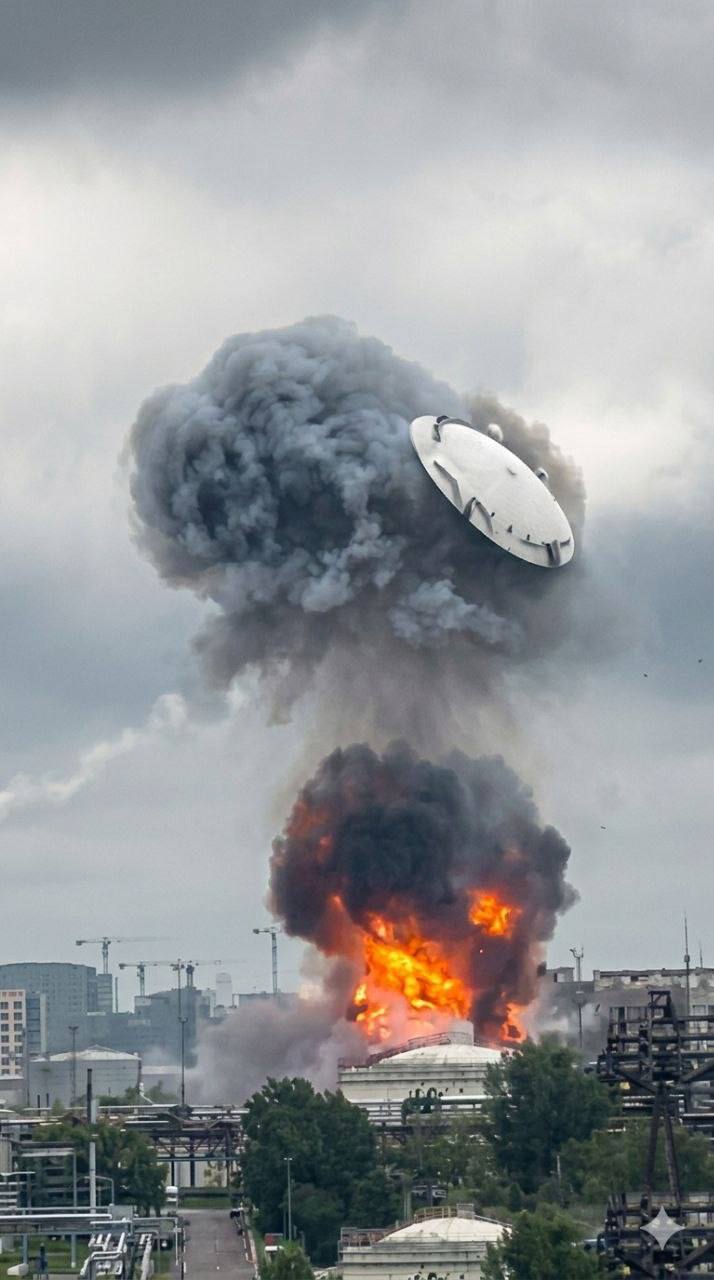
Since the start of 2026, Ukrainian drones have struck Russian oil refineries on at least 194 occasions, leading to a fuel crisis in the Russian Federation.
The Financial Times reports this following its own analysis and citing data from the Polish consultancy firm Rochan Consulting, according to Censor.NET.
Extent of the damage
According to data from Rochan Consulting, the number of successful Ukrainian strikes on Russian oil refineries in May reached a record monthly high of 16. In total, since the start of 2026, Russian oil refineries have been struck at least 194 times, which is 11 times more than during the same period last year.
The Russian Ministry of Defence claims that its air defence systems are allegedly intercepting most Ukrainian attack drones.
Official figures published by the Russian Ministry of Defence show that at least 63,933 Ukrainian drones were reportedly intercepted over Russia and the temporarily occupied Ukrainian territories during the first six months of 2026.
Half of all reported interceptions took place over the last two months, during which Russia reported shooting down 14,195 drones in May and 17,832 in June. By way of comparison, the monthly figures for January and February did not exceed 6,000, the publication reports.
Data on Ukrainian strikes and drone interceptions suggest that Ukrainian drones have begun to target Russia’s strategic energy infrastructure with significantly greater frequency and on a much larger scale.
Factors contributing to the success of the Ukrainian Armed Forces
Analysts attribute this success to a significant increase in drone production in Ukraine and improved coordination of strikes.
Furthermore, support from US intelligence played a key role, helping Kyiv to plot routes for drones to bypass Russian air defence systems.
"Ukraine has achieved a technological breakthrough that has enabled it to produce more long-range drones and scale up their mass production," said Stefan Meister, head of the Eurasia programme at the German Council on Foreign Relations.


