



Nawrocki’s office has responded to Russian Federation’s attacks near border with Poland: "We are constantly receiving information"
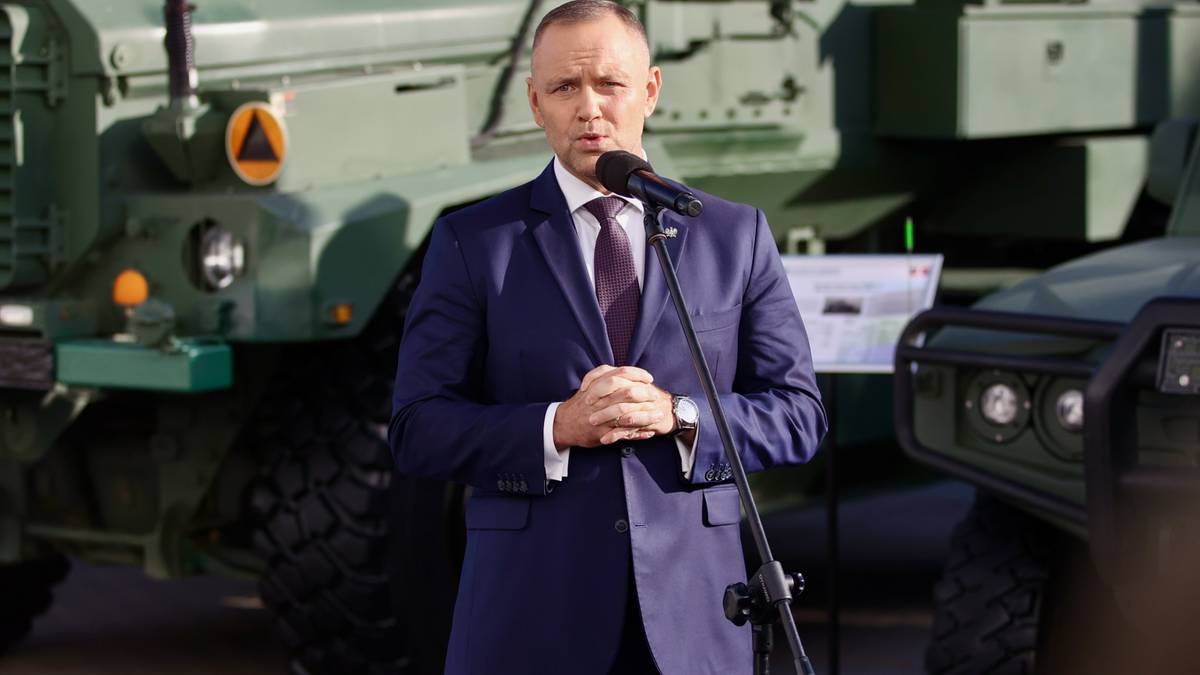
The Polish President’s Office has given assurances that Karol Nawrocki will be provided with full information regarding Sunday’s Russian strikes near the border with Poland.
This is reported by Polsat News, citing the spokesperson for the President of Poland, Rafał Leszkiewicz, according to Censor.NET.
Monitoring the situation
According to Leszkiewicz, President Nawrocki "is constantly briefed on all incidents and events relating to the security of the Republic of Poland by the Operational Duty Service operating within the National Security Council".
"She is in contact with the Government Security Centre and other agencies," he added.
He emphasised that the President’s Office would provide prompt updates on all the President’s decisions.
An attack near the border with Poland
The publication reports that, this morning, Polish defence systems detected an attack by a dozen ‘Geran-5’ jet drones in western Ukraine. One of them struck 1 km from the border with Poland, and another 5 km away.
The Polish military scrambled fighter jets, whilst the authorities warned residents of border regions of the threat. One of the Russian drones attacked a Kyiv–Warsaw train just before the Polish border, whilst another struck near the ‘Dorohusk–Yahodyn’ border crossing.
At the same time, no breaches of the Republic of Poland’s border were recorded – this was reported by the Joint Operational Command of the Armed Forces by 10:00, following the conclusion of the operation.
What led up to it
- It was previously reported that on the morning of 13 September, the Russian Federation attacked the locomotive of a passenger train in Volyn, 2 km from the border with Poland.
- The train, whose locomotive was attacked by Russia today, was carrying a delegation of international guests: former British Prime Minister Boris Johnson, one of German Chancellor Friedrich Merz’s leading advisers, as well as diplomats, members of the Bundestag, academics and national security advisers from EU countries.


