



War of economic attrition: Ukraine is entering most challenging phase of its confrontation with Russia, – New York Times
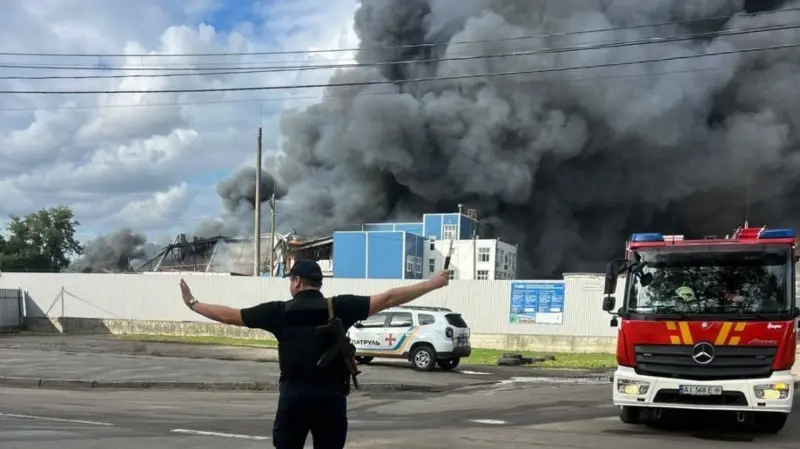
From an economic perspective, Ukraine is entering the most difficult phase of the full-scale conflict. Attacks by the Russian Federation are increasingly targeting key infrastructure facilities, with the aim of undermining domestic production, destabilising logistics routes and inflicting significant damage on the business sector.
This is reported by Censor.NET, citing The New York Times.
The economic dimension of the war: why the enemy has changed its shelling tactics
According to media observations, the gruelling confrontation between the two states is increasingly shifting towards the economic sphere. Both Kyiv and Moscow are striking at the industrial sector, transport and logistics hubs, and commercial infrastructure in an attempt to undermine the opponent’s economic potential.
The Ukrainian government regards this new wave of enemy attacks as ‘total war’, as the targets now include not only purely military facilities but also civilian production, supply routes and the labour market.
The list of enemy targets has expanded significantly: warehouse complexes, port and railway networks, border crossing points and seagoing vessels have come under attack. In addition, internet communication facilities have been hit, causing temporary service disruptions for around 100,000 subscribers.
Systematic air raid alerts remain a serious challenge for Ukrainian businesses. The need to remain in shelters brings work processes at enterprises to a standstill and reduces citizens’ purchasing power, which significantly lowers overall economic activity and sales.
Forecasts from the EBRD and the Ministry of Economy: a fall in GDP and $10 billion in losses
In light of the intensifying shelling, the European Bank for Reconstruction and Development revised its forecast for Ukraine’s GDP growth in 2026 on 24 September, lowering the figure from 2.2 per cent to 1.5 per cent.
At the same time, a number of analysts believe that the domestic economy could face complete stagnation by the end of the year.
According to EBRD Chief Economist Dimitar Bogov, labour shortages and the intensification of attacks mark the onset of "the most difficult phase of the war". He emphasised that, although citizens’ purchasing power remains relatively high, they are unable to spend these funds freely due to constant threats and market destabilisation.
The Ukrainian Ministry of Economy estimates the potential losses from this wave of attacks by the end of the year at approximately $10 billion. The lion’s share of this sum stems not so much from the physical destruction of property as from lost profits, forced downtime and disruptions to transport routes.
Logistical challenges and the rail transport crisis
The country’s railway sector is also suffering significant damage. Whilst the fleet numbered approximately 1,800 locomotives before the start of the full-scale invasion, around half a thousand of them have now been lost. According to the estimates cited, the current rate of losses is approximately one locomotive per day.
Enemy strikes on port facilities, railway lines, border infrastructure and vessels are significantly hampering export operations. In particular, grain silos were the target of deliberate attacks during the summer, aimed at depriving Ukraine of the means to store its harvest. In response, the European Union is providing domestic farmers with mobile grain storage facilities.
Adaptation of Ukrainian business
The escalation of shelling is forcing Ukrainian entrepreneurs to adapt once again: companies are dispersing their warehouses, moving them underground, establishing new logistics routes and minimising the use of large facilities that could potentially attract the enemy’s attention.
At the same time, Ukraine is delivering retaliatory strikes against Russia’s economic potential, primarily targeting its oil industry. Ukrainian drones are systematically attacking Russian oil refineries and other commercially vital facilities.
Consequently, the conflict is increasingly taking on the characteristics of a war of economic attrition, in which both sides are seeking not only success on the front line but also to undermine the enemy’s economic resources as much as possible.


