



Russia is building new shadow fleet to bypass sanctions – Telegraph
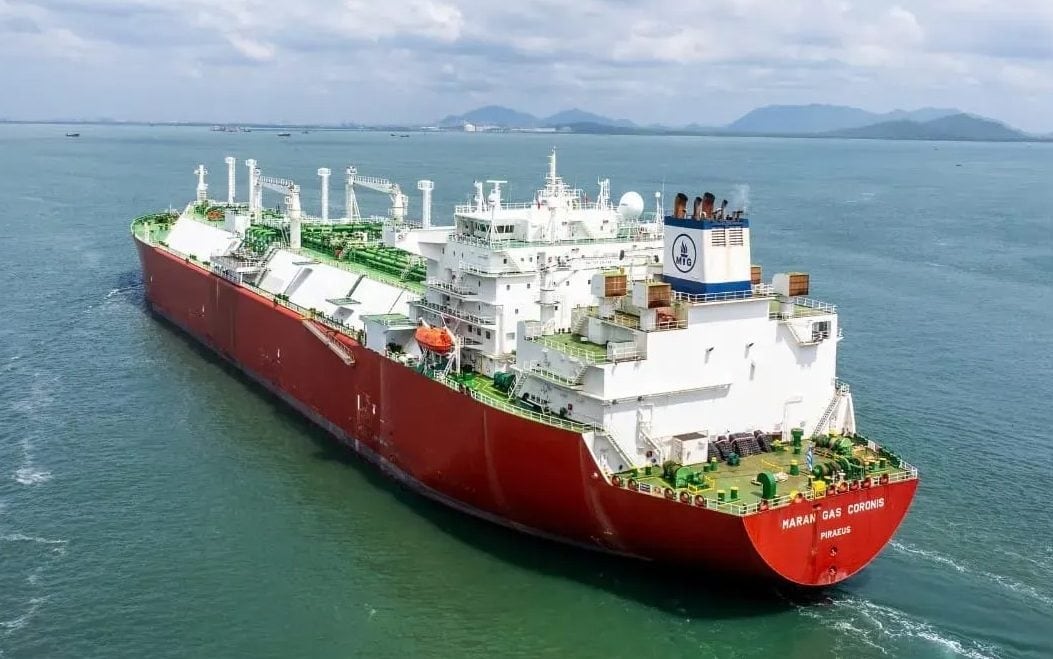
Russia is likely expanding its shadow fleet of gas carriers to circumvent international sanctions and maintain revenue from liquefied natural gas exports. The new vessels, in particular, are capable of operating on Arctic routes.
According to Censor.NET, The Telegraph reports this, citing data from the British government.
On October 1, the United Kingdom announced a new package of sanctions comprising 31 measures targeting 23 individuals and organizations and eight vessels.
Three vessels from the shadow fleet, two ships that provided them with bunkering services, and three Russian ice-class gas carriers—the Aleksey Kosygin, the Konstantin Posiet, and the Pyotr Stolypin—were added to the sanctions list.
The British government has stated that Russia is attempting to create a "dangerous new shadow fleet" that would allow it to circumvent sanctions and continue to generate revenue from gas exports.
According to the British side, some of the vessels did not begin operations until July 2026.
New gas tankers can navigate through two-meter-thick ice
Aleksey Kosygin and Konstantin Posiet are new-generation gas carriers built in Russia. Their cargo capacity is approximately 127,500 metric tons, and their design allows them to break through ice up to two meters thick.
This makes it possible to use such vessels on Arctic routes and in the Far North.
The Aleksey Kosygin was delivered to the customer in December 2025 and entered service in 2026. According to MarineTraffic, on September 30, the Konstantin Posiet left Bechivinka Bay in Kamchatka. The Aleksey Kosygin was reportedly off Chantu Island in the East China Sea.
The Telegraph notes that ships in the shadow fleet may conceal their routes, in particular by using technologies that manipulate GPS signals.
Russia's "shadow" LNG fleet has grown to 25 vessels
According to the Foreign Intelligence Service of Ukraine, over the past six months, at least eight used gas carriers and two new vessels from the Zvezda shipyard have been added to Russia’s shadow LNG fleet.
Overall, according to Ukrainian intelligence estimates, this fleet had grown to 25 vessels by 2026.
Russia is ramping up production as the European Union prepares to impose a complete ban on imports of Russian LNG, which is set to take effect on January 1, 2027.
Establishing a shadow fleet for natural gas is more complicated than doing so for oil. Gas carriers must maintain the temperature of liquefied natural gas at around minus 162 °C, and vessels with the appropriate ice class are required for Arctic routes. According to Ukrainian intelligence, a modern gas carrier can cost up to $300 million.


