At least $2 million siphoned off: fraudulent call center network exposed in Dnipro. VIDEO&PHOTOS
A network of call centers through which perpetrators stole crypto assets has been uncovered in Dnipro.
This was reported by the National Police, Censor.NET informs.
Details of the scheme
The suspects approached victims on dating sites and in messaging apps, gradually gained their trust, and shifted communication toward investing in cryptocurrency.
Most of the victims were foreigners, in particular citizens of Kazakhstan and Lithuania, whom the perpetrators deliberately targeted.
"The scheme combined psychological manipulation and technological tools: some participants simulated personal or romantic relationships, while others posed as experienced crypto investors. To make it convincing, they used fake accounts, face substitution during video calls, and controlled crypto wallets to create the illusion of profit.
This encouraged victims to invest increasing amounts, which the perpetrators then transferred to their own accounts. In total, more than $2 million passed through the perpetrators’ accounts," the National Police said.
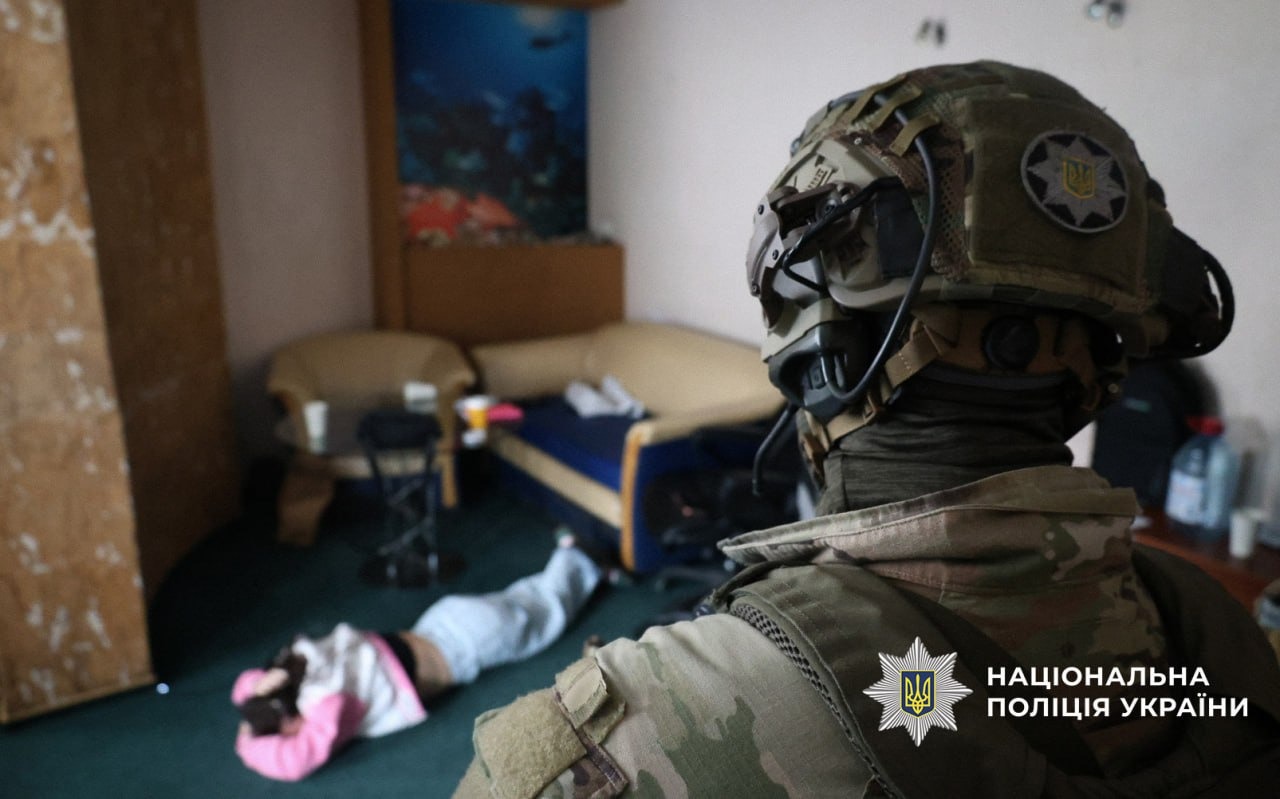
The network’s activities were stopped by National Police investigators together with Ukrainian liaison officers at Europol.
During the operation, the full structure of the organization was established and the entire mechanism of the criminal activity documented.
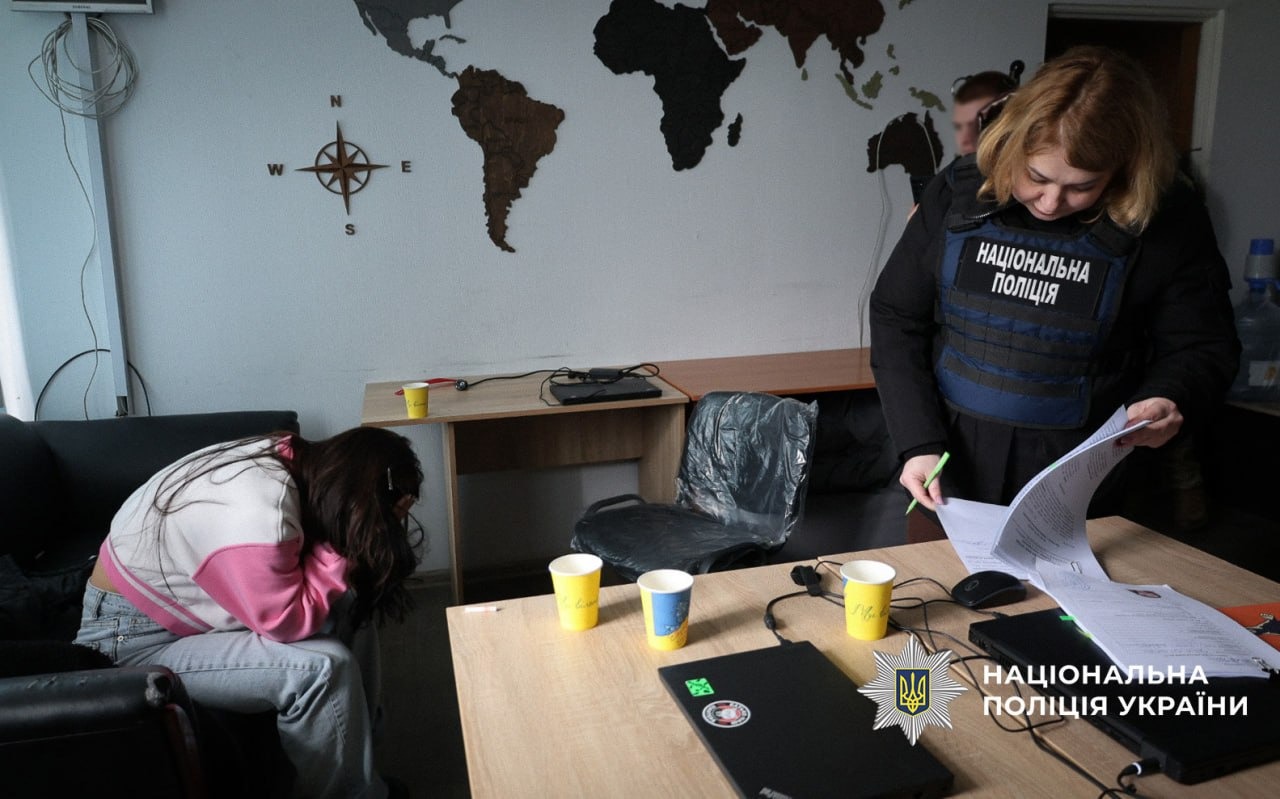
"It is a sprawling criminal infrastructure that brought together dozens of participants with a clear division of roles, its own ‘security service’, and internal controls. The perpetrators set up offices in Dnipro that effectively functioned as call centers. From there, they carried out the daily search, handling, and subsequent defrauding of victims from both Ukraine and abroad," law enforcement officials said.
Hierarchy
According to police, the organizers built a multi-level hierarchy.

At the top were coordinators and leaders who determined strategy, financing, and distribution of funds. Below them were area managers and so-called team leaders who controlled discipline, "performance," and communication with victims. Operatives were divided into separate groups: some identified potential victims and gained their trust, others persuaded them to invest, while a separate unit provided technical access to crypto wallets and the subsequent withdrawal of assets.
After the first deposit, victims were handed over to so-called "mentor-analysts." Under the guise of assisting with trading, they gained access to victims’ mobile screens, captured sensitive data, and effectively took control of crypto wallets. All assets were then transferred to controlled accounts, after which contact with victims was cut off.
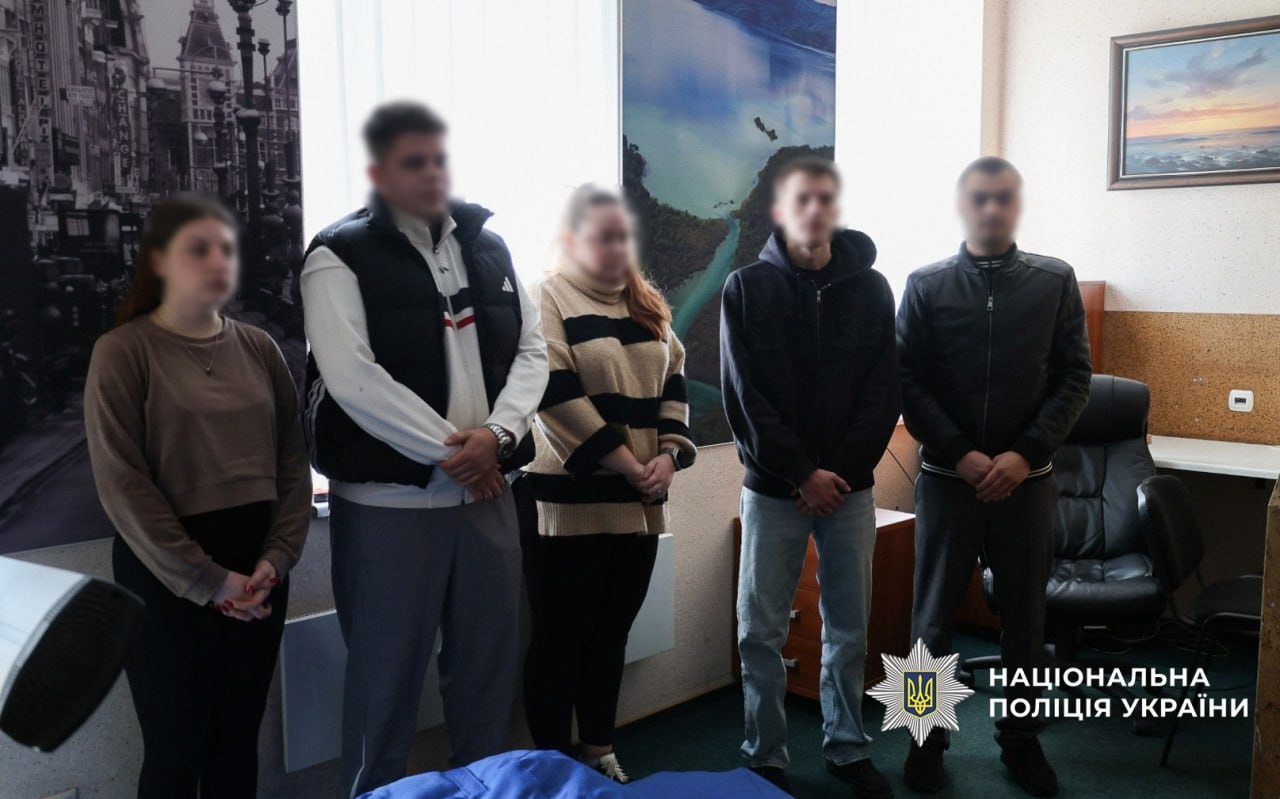
The organization’s activities were carefully concealed. Participants used anonymous accounts, foreign SIM cards, closed Telegram channels, and underwent internal checks, including with the use of a polygraph. Offices were equipped with video surveillance and access control systems.
Arrest
Eight people – the organisers and key leaders of the criminal organisation – have been detained.
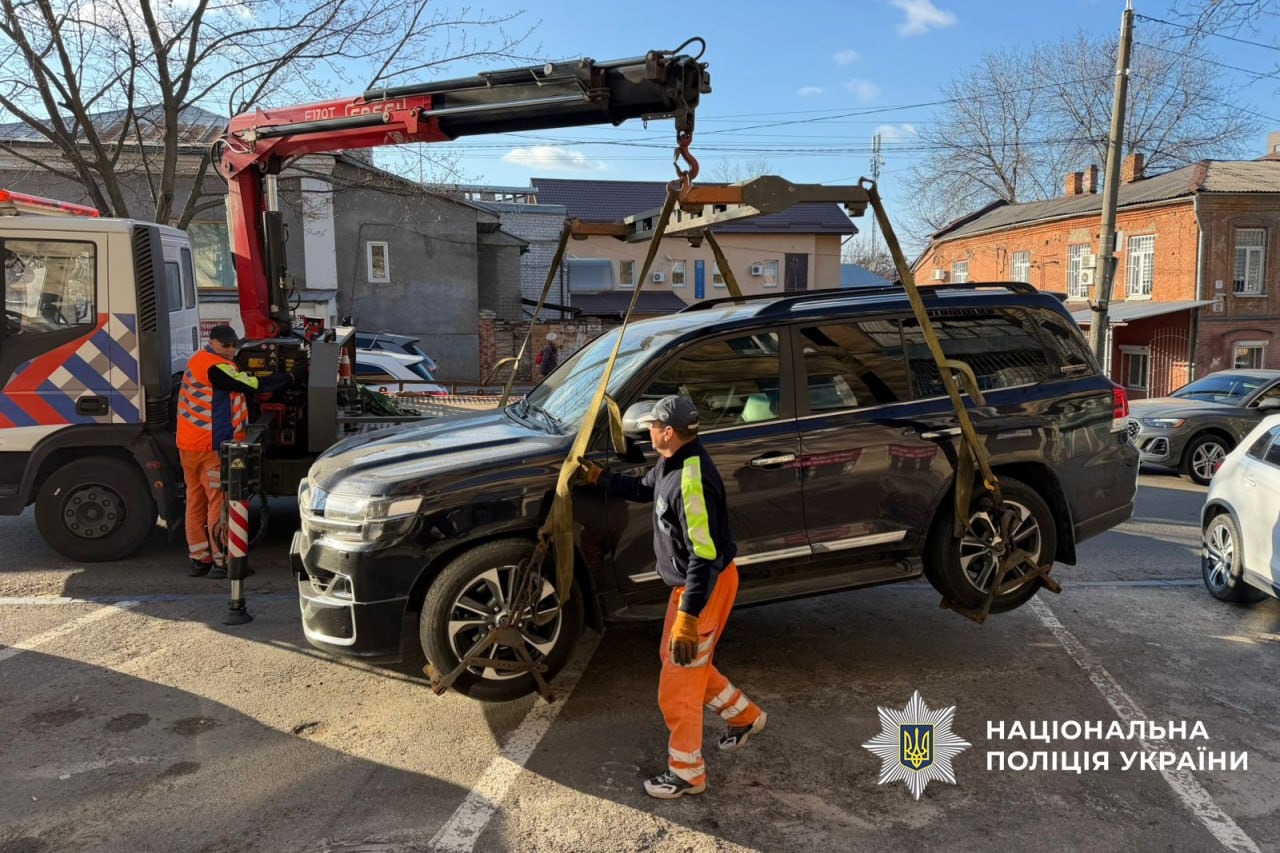
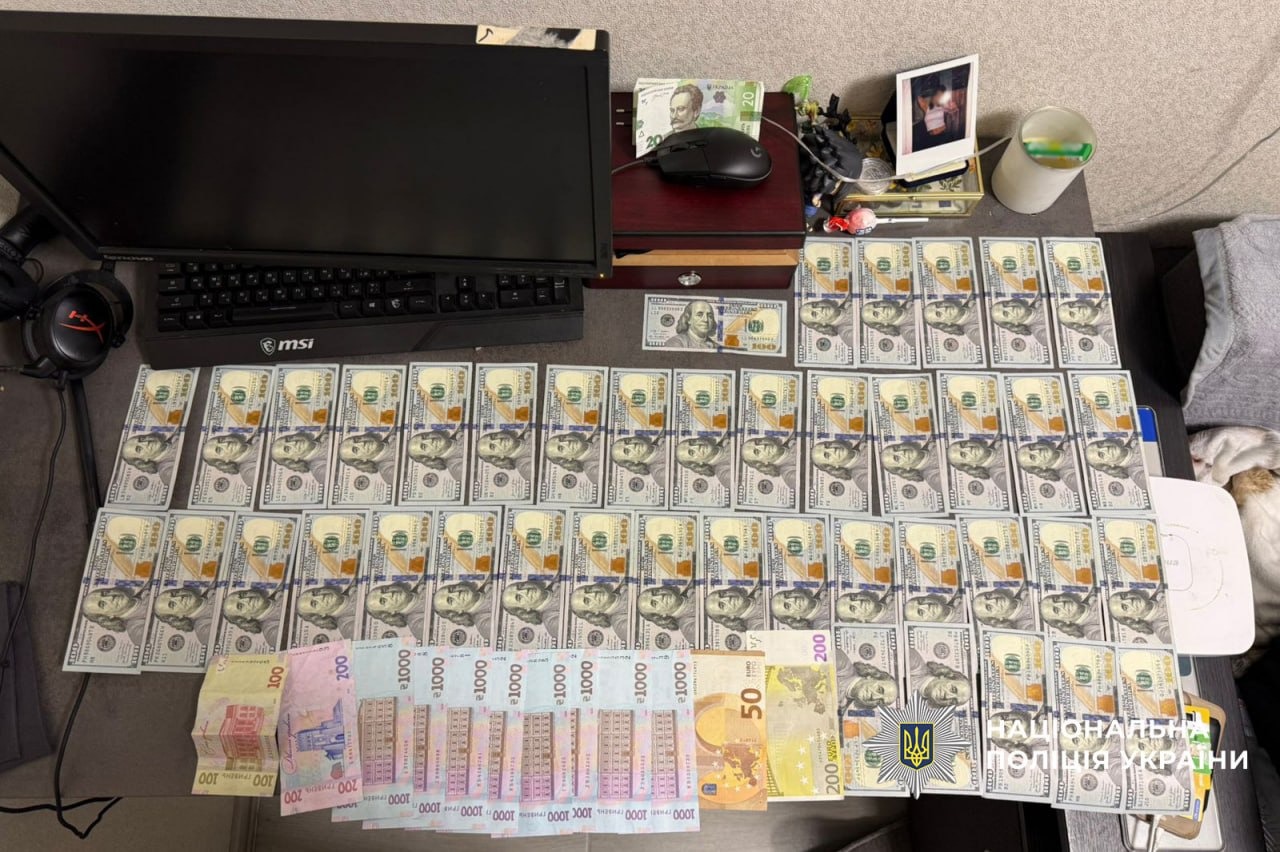
During searches, law enforcement seized more than $100,000 in cash, computer equipment, mobile phones, data storage devices, crypto wallets, bank cards, black ledger, and 10 premium cars.
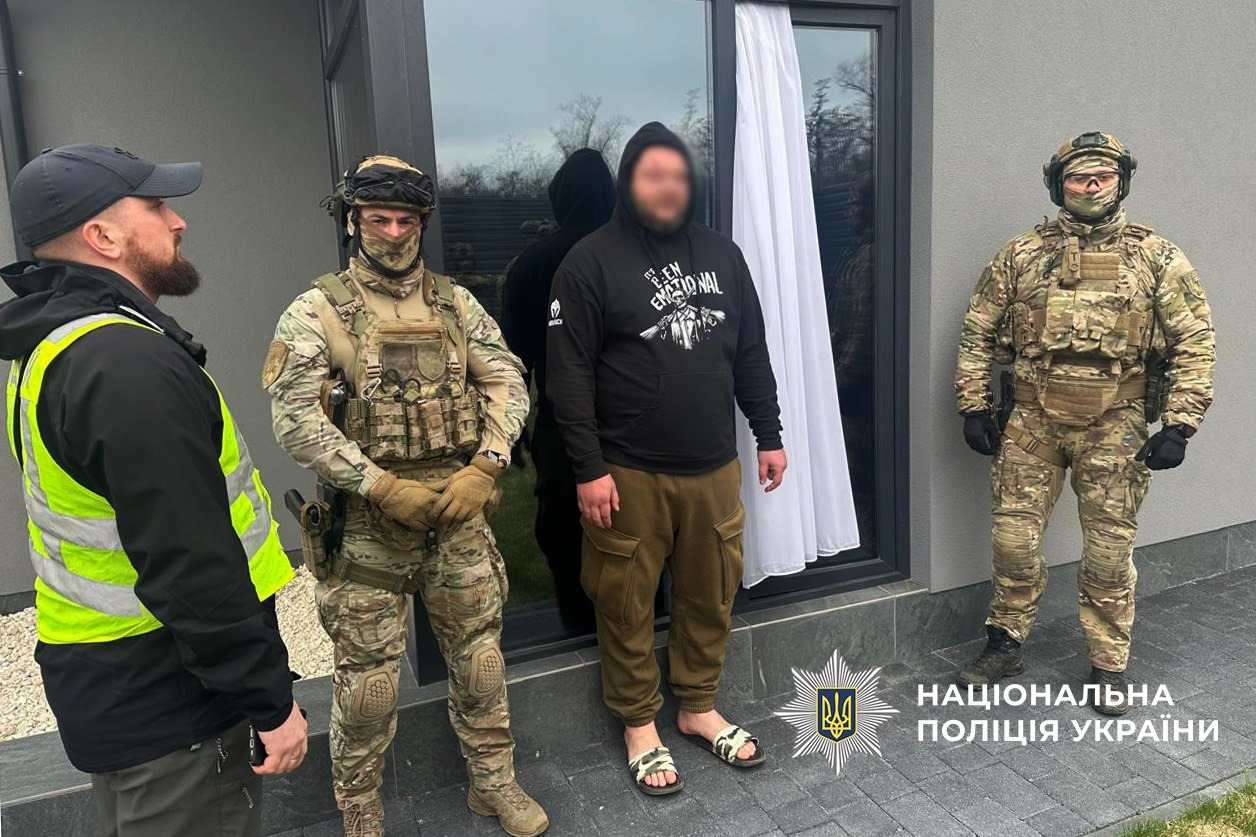

The suspects have been notified of suspicion for creating and participating in a criminal organization, as well as for theft on a particularly large scale.
Preventive measures will be selected, with the prosecution seeking detention without bail.
The suspects face up to 12 years in prison with confiscation of property.