



Armored vehicles remain primary means of medical evacuation: Ukrainian Armor upgrades Novator 2S. PHOTOS
In modern warfare, traditional approaches to medical evacuation are undergoing significant changes. Longer casualty evacuation times, large numbers of enemy FPV drones, and the expansion of the "kill zone" require military medics to have a new level of protection and mobility.
During the presentation of the new Novator 2S armored medical evacuation vehicle manufactured by Ukrainian Armor, developers and combat medics discussed the realities of operating on the front line and the vehicle’s technical capabilities, a Censor.NET correspondent reports.
Novator 2S
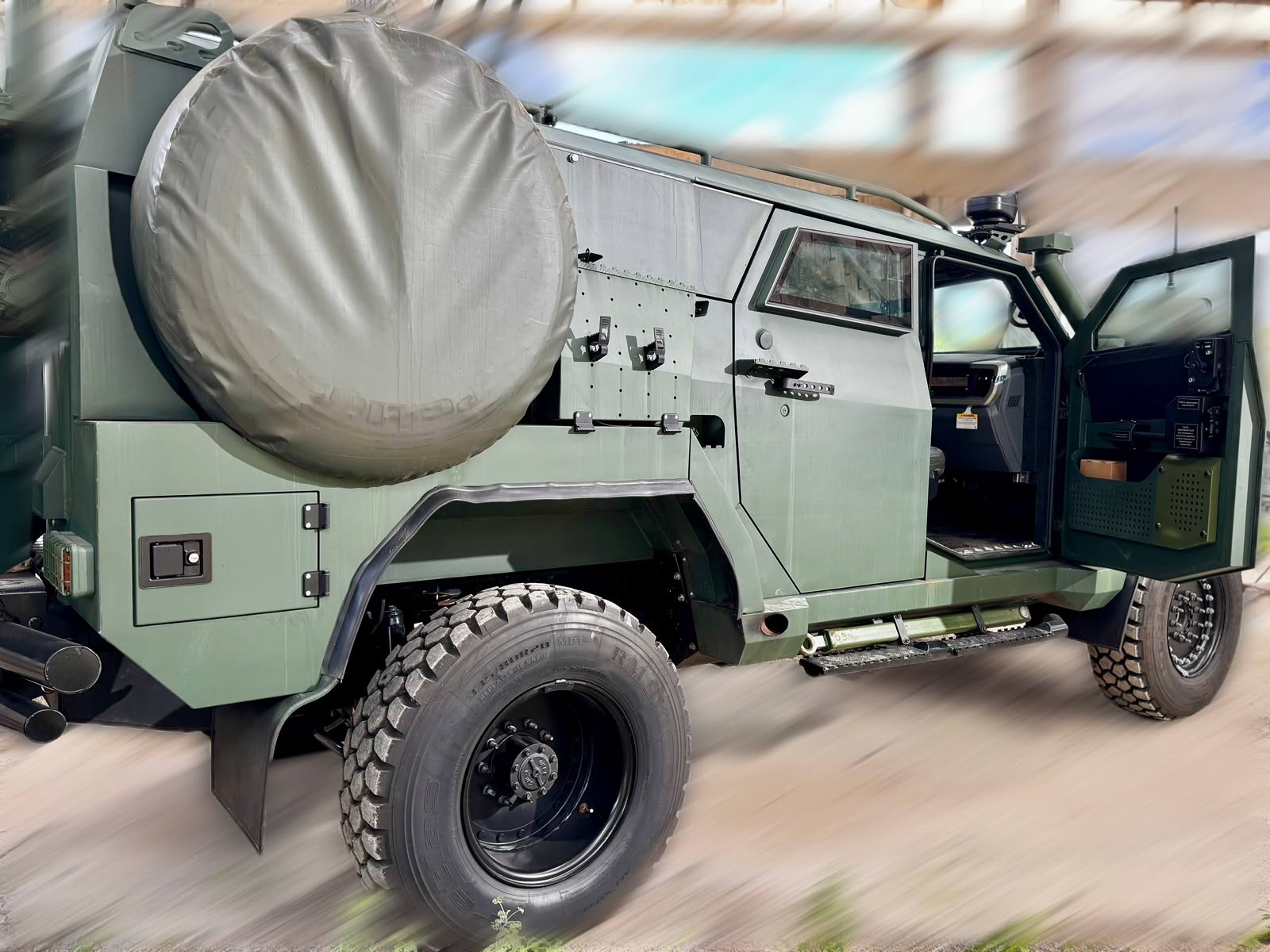
The manufacturer expanded the armored capsule and doors, changed the spare wheel mounting, and refined the casualty loading system and the placement of medical equipment.
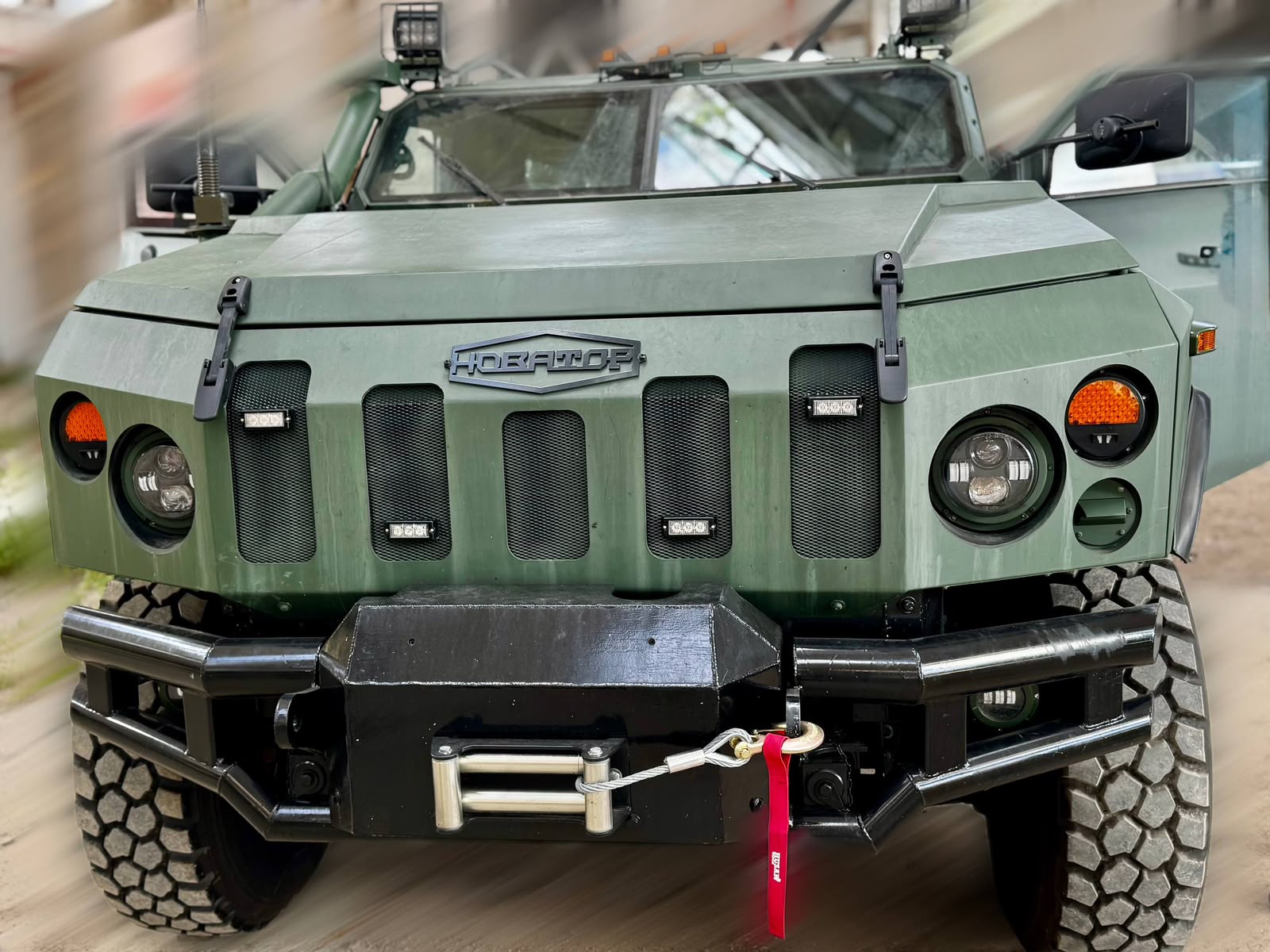
The Novator 2S can accommodate four litter patients and three ambulatory patients, or two litter patients and six ambulatory patients.
The vehicle provides STANAG Level 2 ballistic and mine protection.
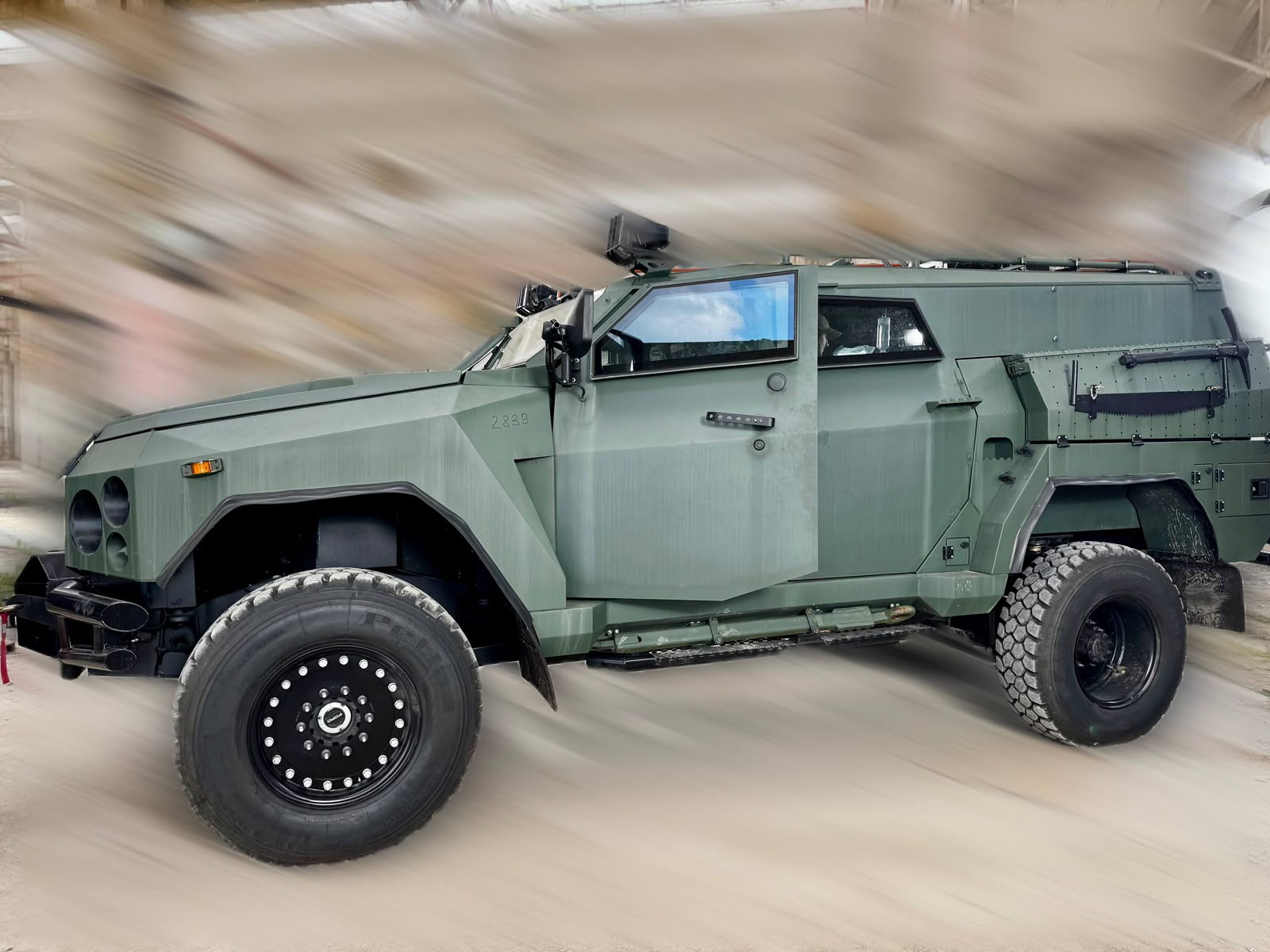
Ukrainian Armor CEO Vladyslav Belbas noted that the armored vehicle had also been fitted with an automatic lifting system. The stretcher design was modified, new lighting was added, and the equipment was rearranged, simplifying the loading and unloading of casualties and giving medics more room to work.

The Novator 2S is estimated to cost approximately UAH 15 million, significantly less than foreign vehicles.
What does the military say?
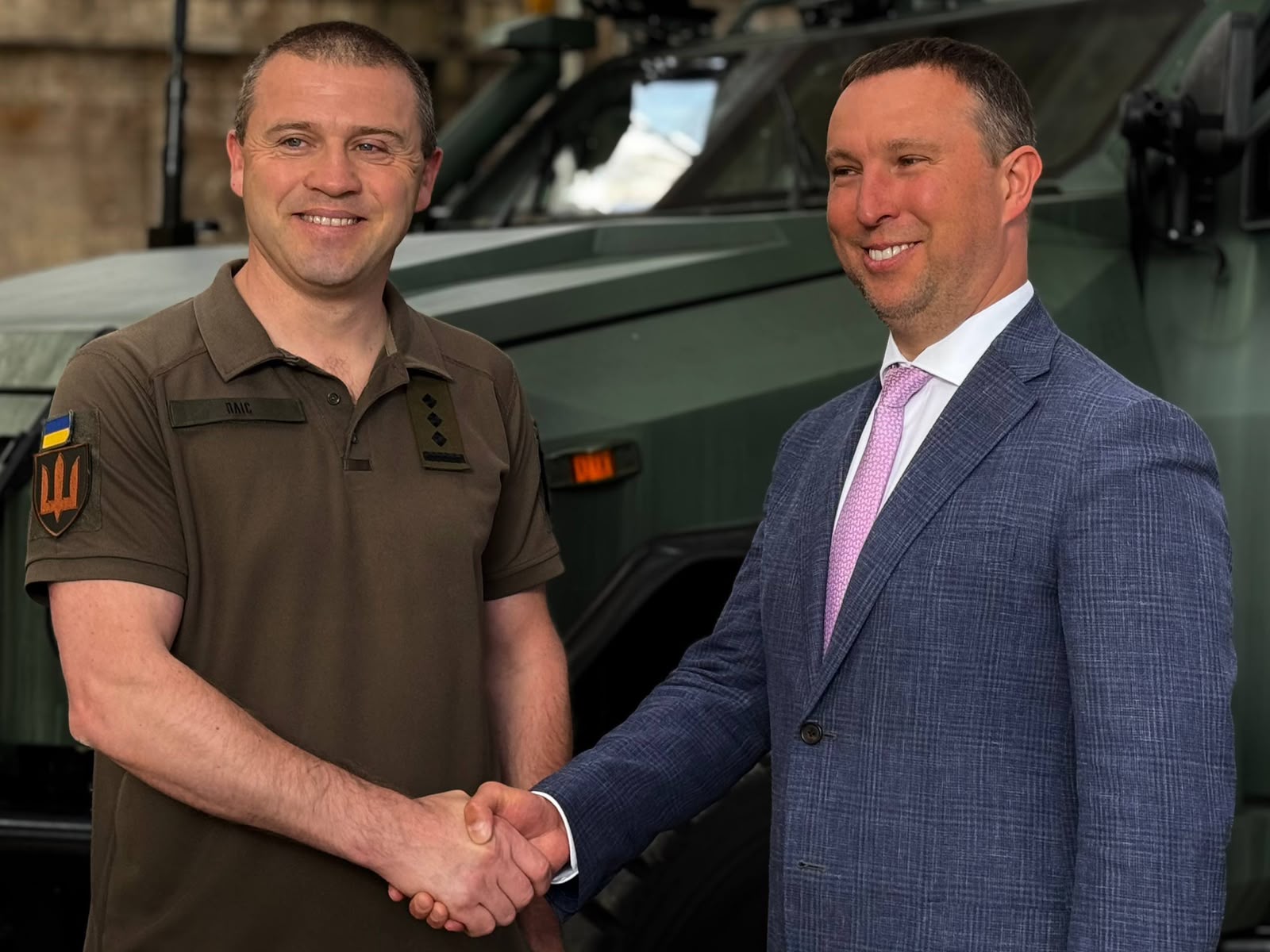
Colonel Ihor Plis of the Medical Service, head of the Military Medicine Coordination Directorate of the Medical Forces Command, noted that the armored vehicle had already proven itself on the battlefield.
These vehicles are equipped with electronic warfare systems, helping ensure the survivability of both the crew and the casualties, as evacuation under modern conditions is complicated by the constant threat from the air.
During the presentation, service members shared their experience of using the vehicles and described changes in evacuation tactics.
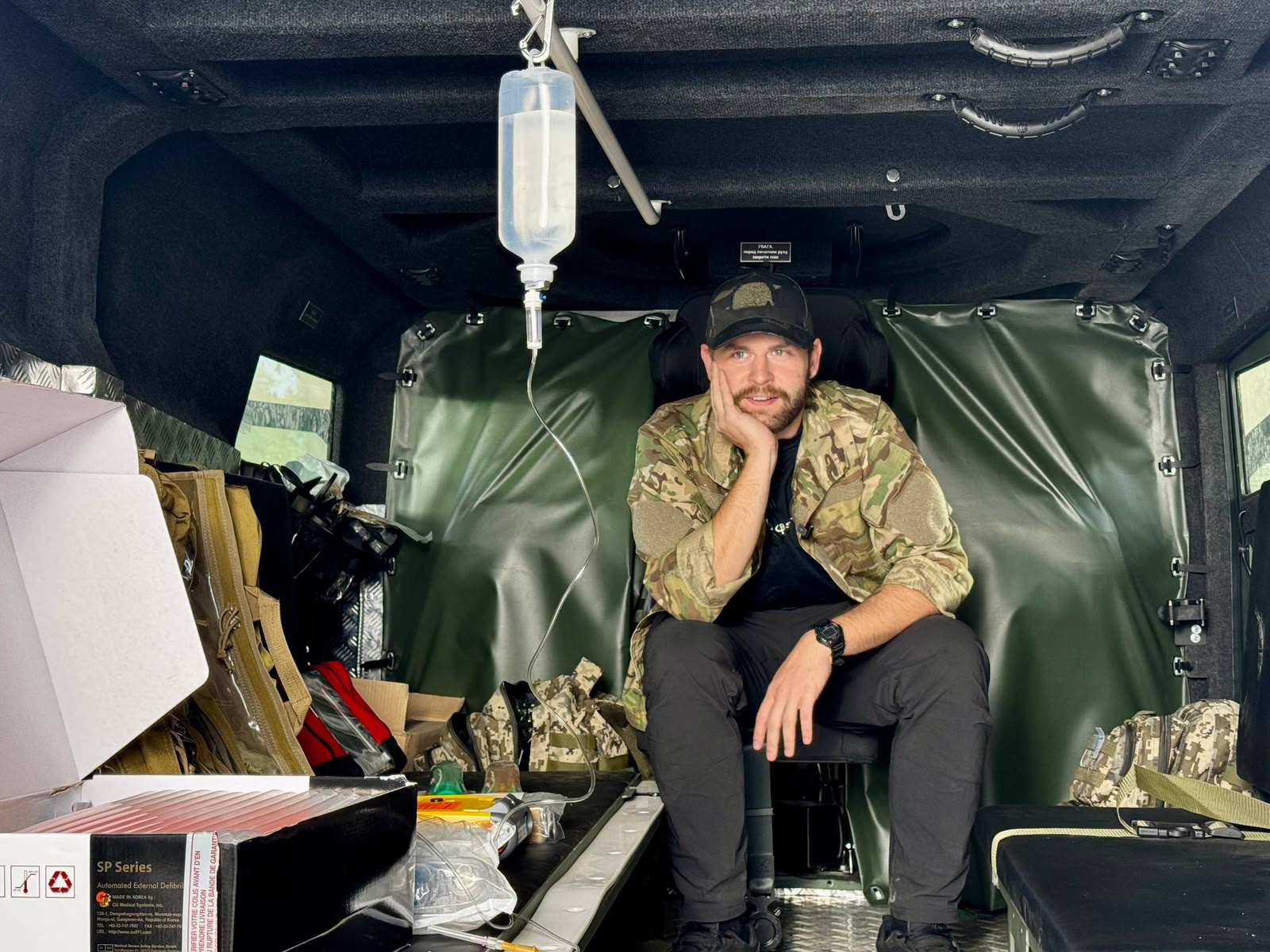
Viktoriia Husak, commander of a tactical evacuation company within the National Police’s Consolidated Assault Brigade, noted that the manufacturer had addressed a number of requests from medics based on their experience operating the Novator.
Plis said the medical evacuation system is divided into forward, tactical, and strategic levels.
"As the kill zone expands, with the constant presence of enemy FPV drones and loitering drop drones, and with the battlefield completely transparent to the enemy, any visible movement of vehicles is targeted. Therefore, the safety of personnel comes first, as does the safety of the patient."
According to him, these vehicles will not be used on the line of contact because different casualty evacuation methods are employed there, including carrying casualties on stretchers and using unmanned ground vehicles.
"There is a term, CASEVAC—the evacuation of a casualty without medical support as quickly as possible aboard any available vehicle returning from a mission. Medical evacuation itself begins at transfer points, in locations where casualties can be handed over safely. There, a casualty can receive the full range of life-saving interventions, including cardiovascular support, respiratory support, blood transfusions, and infusion therapy. All of this is performed by crews aboard medical evacuation vehicles.
"Previously, we had transfer points where casualties were moved from armored vehicles coming from the front line to Class B and Class C ambulances. This is currently impossible because of the expanding kill zone. Therefore, armored vehicles remain the primary means of medical evacuation because, first, as I said, they allow all necessary life-saving measures to be performed. In addition, these vehicles are generally equipped by default with electronic warfare protection and situational awareness systems, helping ensure the survivability of crews, personnel, and casualties," the colonel explained.
He also said that Novator vehicles had been used to provide medical support to the Defense Forces during combat operations in the Kursk sector.
"The vehicle performed well in every respect. Its protection withstood what it was designed to withstand. However, the mobility of these vehicles was, of course, the top priority. We improved the vehicle during this operation. Inside, the suspension system and rapid access to medicines and medical supplies were improved, and equipment for infusion support was added.
"It is currently one of the benchmark medical evacuation vehicles with the required protection level. There are, of course, also armored tracked vehicles, as you know. They are used in extremely difficult conditions when necessary, but this vehicle is fast, highly mobile, and safe. As for the price, I can say with certainty, since we work with partners, that it is several times lower than that of comparable vehicles of this type, such as Canada’s Roshel," he added.
According to Plis, there is a constant need for such armored vehicles because the enemy targets and damages them.
"Vehicles returning from missions on the line of contact are most commonly used for CASEVAC. They are not necessarily armored. These include SUVs, buggies, and Bradleys that have completed combat missions and are returning to their units. There is also a large fleet of UGVs. Logistics UGVs carrying out missions to deliver supplies to the forward line of contact perform evacuation missions on their return journeys, transporting casualties from the front line. As you know, we also have the 1st Medical Battalion, which conducts specialized evacuations using armored evacuation vehicles such as the Maul. It is also a very good vehicle," the colonel said.
According to Plis, an ordinary driver cannot simply operate such a vehicle, so specialist training is required.


