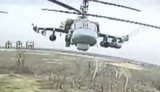
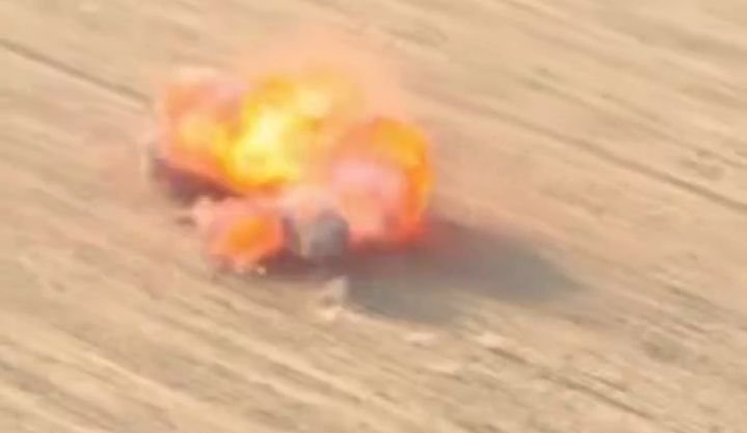
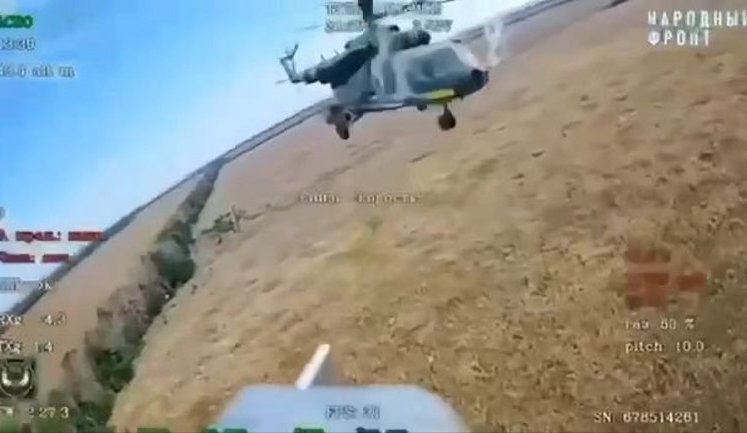
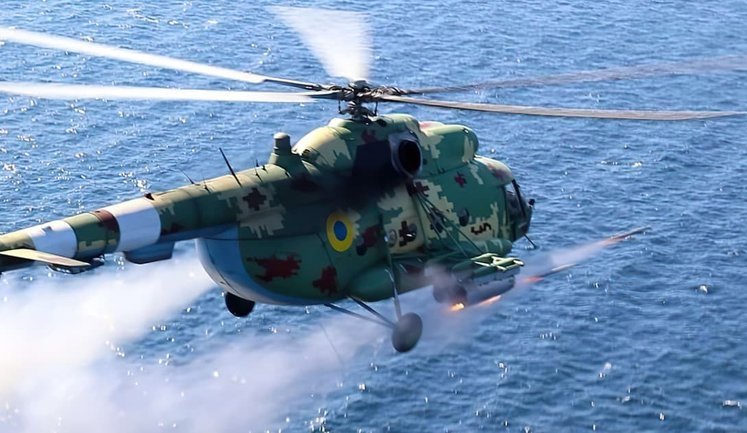
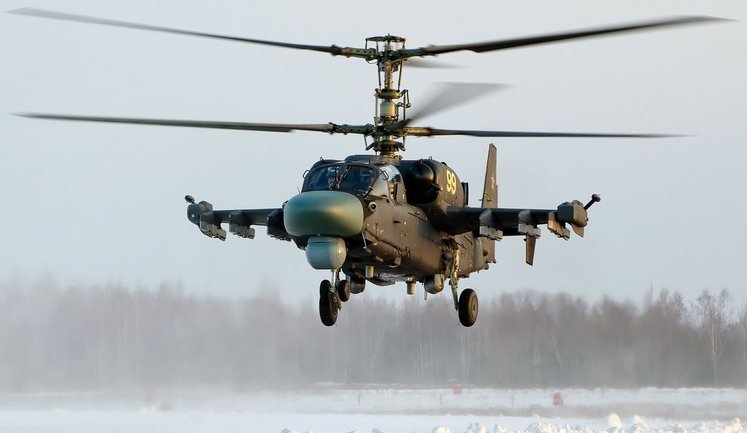
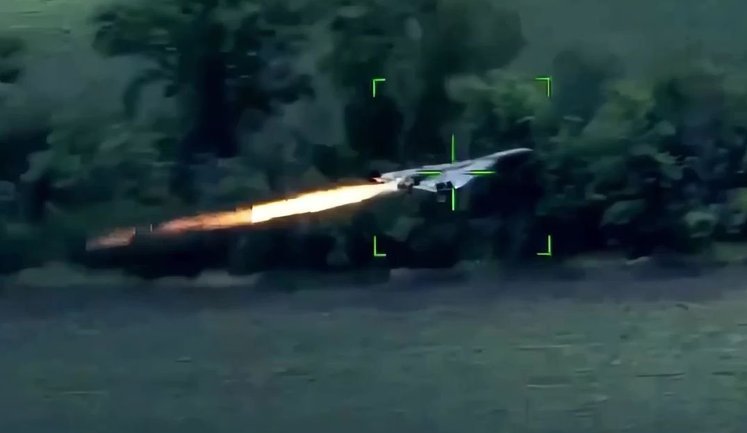
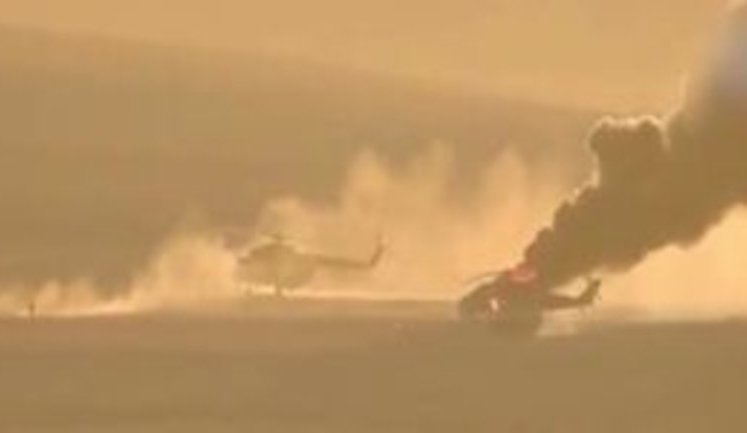
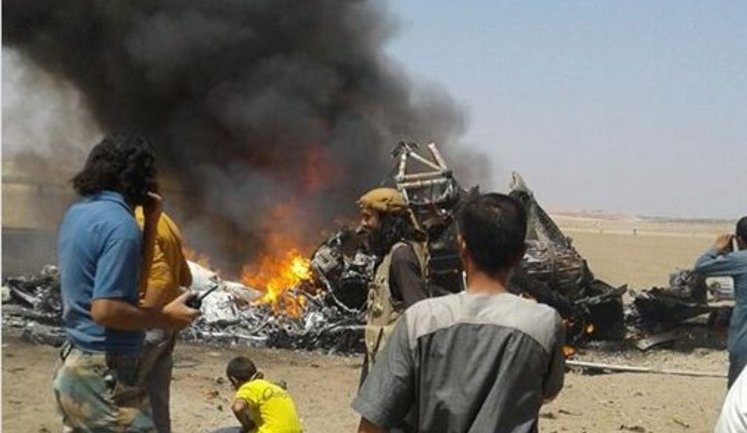
The ongoing conflict in Ukraine has seen significant helicopter activity in 2026. Ukrainian Mi-8 and Mi-24 helicopters continue to play a crucial role in defense and operational missions. These aviation assets have been successful in intercepting various enemy drones, including the Shahed and Gerbera models in the Kherson region. Meanwhile, reports highlight incidents such as the Russian Mi-28 being downed by Ukrainian unmanned systems and a friendly fire incident with the Ka-52 helicopter. Such events underline the complexities of aerial operations in the region. The high effectiveness of Ukrainian Army Aviation, evidenced by video footage, is crucial in countering enemy advancements and safeguarding aerial domains.
What role do Mi-8 helicopters play in Ukraine?
Mi-8 helicopters in Ukraine primarily support counteroffensive operations and interception of enemy drones. These aircraft are equipped with advanced systems, enabling them to take part in versatile missions ranging from attack to support roles, providing significant airborne capabilities to Ukrainian forces.
How effective are Ukrainian helicopters against drones?
Ukrainian helicopters, such as the Mi-8 and Mi-24, have proven highly effective against drones. They use tactics involving unguided aerial rockets and have successfully intercepted numerous drones, including those of the Shahed series. These helicopters enhance drone defense strategies, showcasing their strategic aviation advantage.
What incidents have involved Russian helicopters in the conflict?
Several key incidents have involved Russian helicopters, such as the Mi-28 and Ka-52. They have been targeted and destroyed by Ukrainian forces, often using drones. Additionally, there have been reports of friendly fire incidents where Russian air defenses mistakenly shot down their own helicopters, highlighting operational challenges.
What is the impact of UAVs on combat helicopter operations?
Unmanned Aerial Vehicles (UAVs) have significantly impacted combat helicopter operations. They provide reconnaissance, targeting, and attack capabilities that complement helicopter missions. UAVs have been crucial in supporting Ukrainian forces by striking enemy helicopters and helping coordinate offensive operations across the region.
What advancements have been made in Ukrainian helicopter tactics?
Ukrainian helicopter tactics have advanced through the development of operations mixing traditional attack strategies with modern technology, such as drones and enhanced navigation systems. These advancements enable more precise strikes, improved interception capabilities, and flexible deployment under diverse combat conditions.