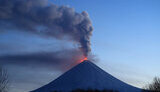
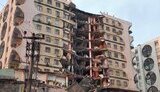
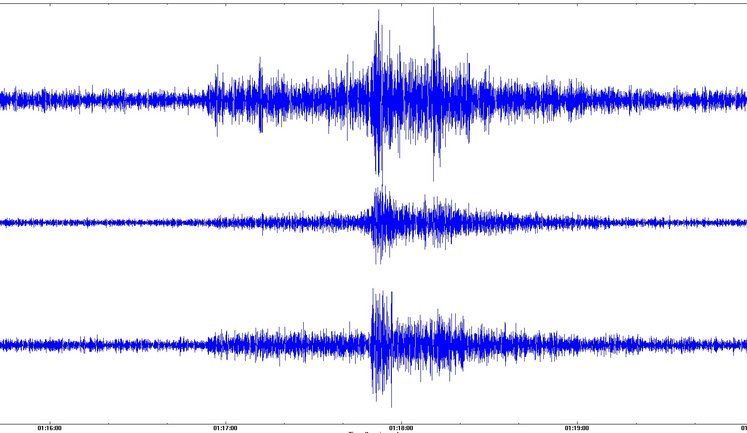
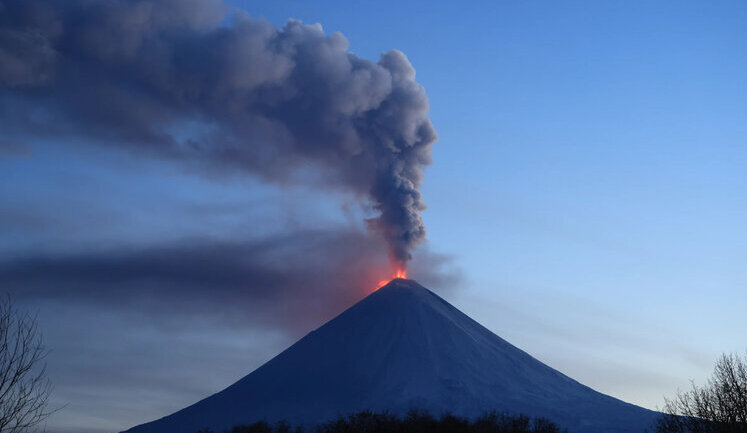
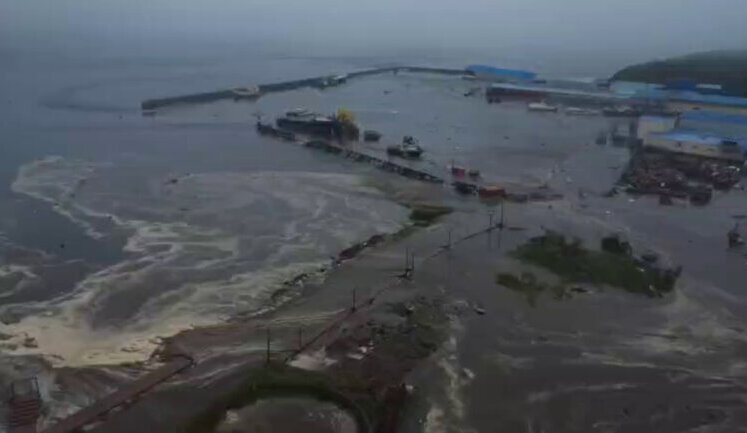
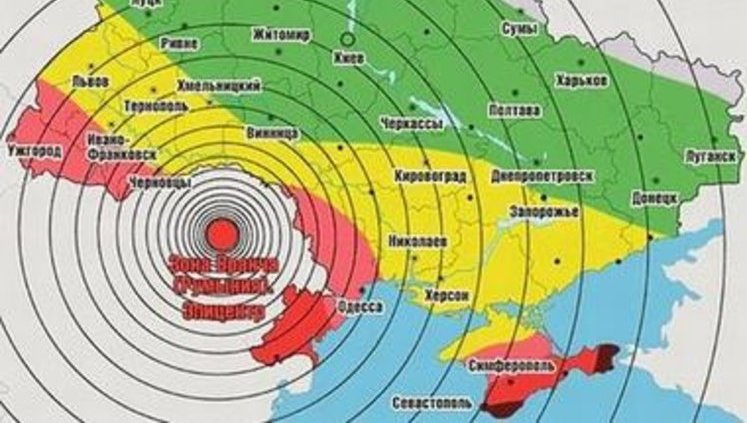
Recent seismic activity has captured global attention. In Russia's Kamchatka, a massive 8.7 magnitude earthquake struck, followed by the eruption of the Klyuchevskaya Sopka volcano. The region is experiencing the strongest quake since 1952. Meanwhile, Turkey and Syria confronted devastating quakes, with a death toll surpassing 33,000. In Romania, a 5.3 magnitude earthquake was felt as far as Odesa, Ukraine, though no damage was reported. These events highlight the urgent need for robust disaster preparedness and international cooperation in recovery efforts.
What was the magnitude of the earthquake in Kamchatka?
The earthquake in Kamchatka registered a magnitude of 8.7, marking one of the strongest quakes in the area's recorded history, not seen since 1952.
How did the earthquake in Kamchatka affect the region?
In Kamchatka, the earthquake triggered the eruption of Klyuchevskaya Sopka, Eurasia's tallest active volcano, causing concerns over volcanic activity and safety in the area.
How many people died in the Turkey and Syria earthquakes?
The earthquakes in Turkey and Syria resulted in a catastrophic death toll exceeding 33,000, causing widespread devastation and prompting international aid efforts.
Was Ukraine affected by recent earthquakes in neighboring countries?
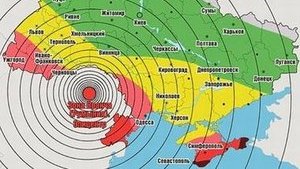
Ukraine felt tremors from a 5.3 magnitude earthquake in Romania, notably in Odesa. Fortunately, there were no reports of injuries or damage within Ukrainian territory.
What is being done to aid earthquake victims in Turkey and Syria?
Relief efforts in Turkey and Syria involve international assistance, with many countries sending aid, rescue teams, and supplies to help those affected by the devastating earthquakes.
How frequently do earthquakes occur in the Tver region of Russia?
The Tver region experienced a series of 18 earthquakes following a drone attack on an ammunition depot, an unusual occurrence possibly linked to man-made activities rather than natural seismic events.