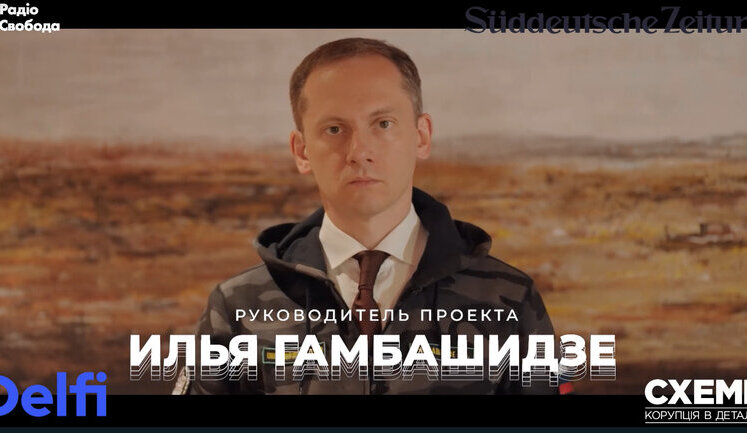
Discreditation tactics are critical tools in geopolitical conflicts, often employed to undermine opponents and weaken their international standing. The exposure of Russian plans targeting Andriy Yermak and Ukrainian leadership highlights these calculated measures. The Foreign Intelligence Service of Ukraine reveals a series of Russian documents aimed at destabilizing the country's situation, signifying another attempt to undermine Ukraine's global support. In the domestic sphere, discreditation efforts against organizations like the Anti-Corruption Action Center and figures like Vitalii Shabunin underscore internal pressures exerted by authorities. These operations often involve media manipulation and strategic misinformation. Russia's ongoing strategies to discredit President Zelensky and Ukraine's military leadership reveal a broader campaign targeting dissidents and allied nations, conducted through Kremlin-linked organizations and elaborate psychological maneuvers.
What is the relevance of discreditation in geopolitical conflicts?
Discreditation is a strategic tool used in geopolitical conflicts to undermine opponents by damaging their credibility and weakening their support both internally and internationally. It involves disseminating false information and manipulating perceptions.
How are discreditation tactics used against Ukraine?
Discreditation tactics against Ukraine include information campaigns to destabilize its government and leadership. These tactics are designed to create internal dissent and erode international support by spreading misinformation through media channels.
What role does media manipulation play in discreditation efforts?
Media manipulation is a key component of discreditation efforts. It involves the strategic dissemination of false or misleading information to shape public perception, create confusion, and delegitimize targeted individuals or organizations.
How can discreditation impact international relations?
Discreditation can strain international relations by undermining trust between nations. It can lead to diplomatic tensions, weaken alliances, and alter the perception of a nation's stability and reliability on the global stage.
Why is discreditation a preferred tactic in conflict settings?
Discreditation is favored in conflict settings due to its potential to psychologically destabilize opponents without physical confrontation. It can influence international opinion, weaken leadership, and sow internal discord among adversaries.
What are the potential risks of discreditation campaigns?
Discreditation campaigns can backfire, leading to increased scrutiny and the strengthening of the targeted entity's resolve. Misinformation can also result in unintended consequences, such as escalated tensions and widespread instability.
How does international law view discreditation efforts?
International law tends to view discreditation efforts within the scope of information warfare and psychological operations. These actions can violate norms related to sovereignty, non-intervention, and the destabilization of governments.