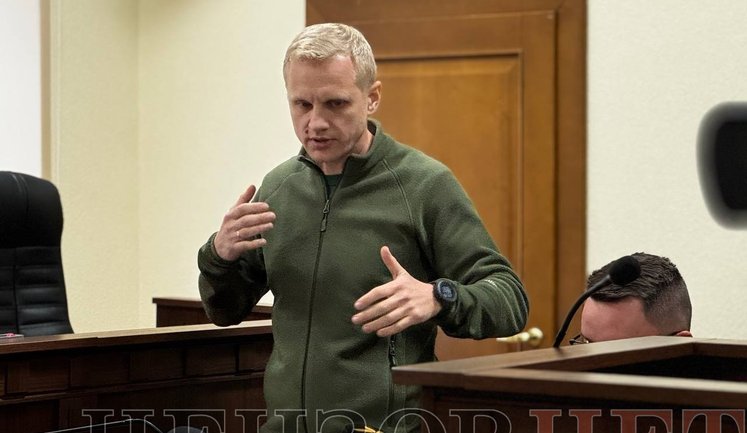
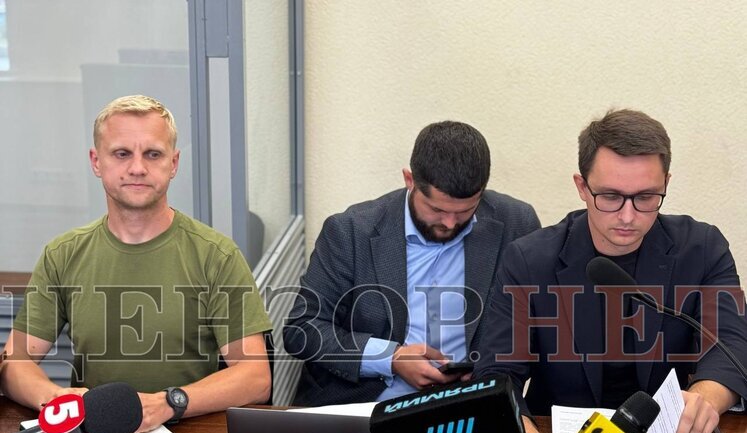
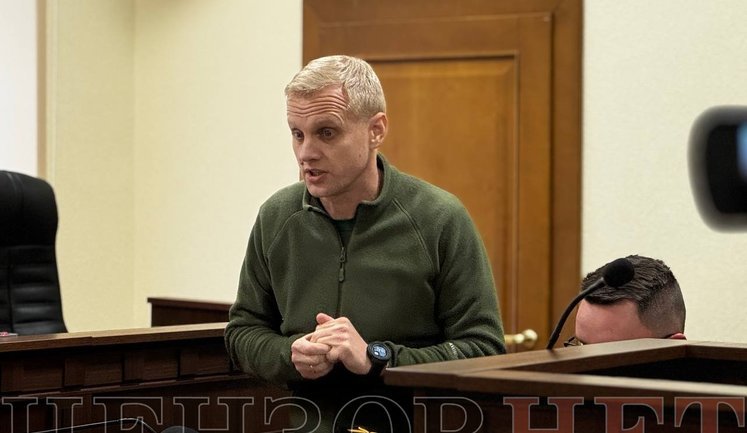
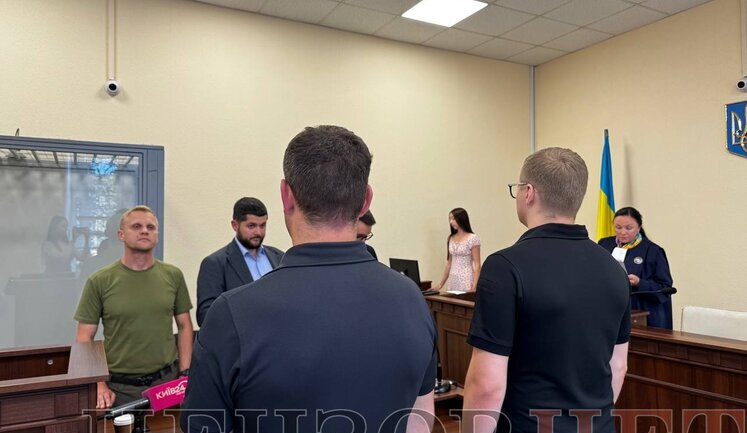
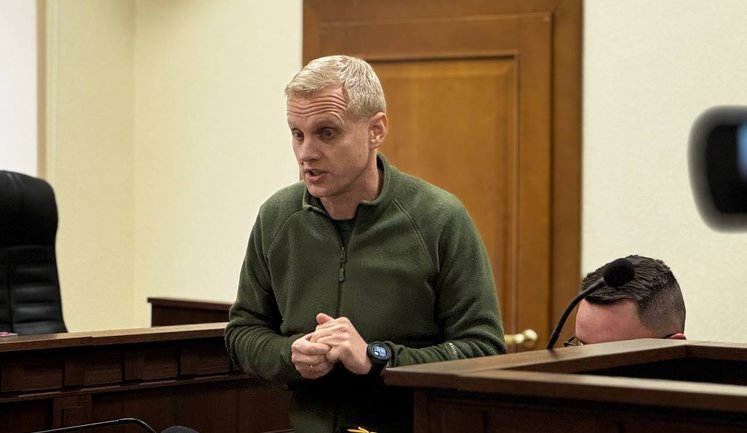
Vitalii Shabunin, head of the Anti-Corruption Action Centre (AntAC), is embroiled in legal controversies involving accusations of high treason, military service evasion, and fraud. Recently, he expressed that the prosecution had not interrogated key witnesses before notifying him of suspicion, raising questions about procedural integrity. The State Bureau of Investigation (SBI) revised allegations, yet the core charges remain contentious. Shabunin insists this is a political reprisal aimed at stifling criticism of authorities. The legal proceedings, extended by the Pecherskyi District Court, have sparked debates over potential misuse of justice for political ends, intensifying scrutiny on Ukraine's judicial processes during ongoing conflict.
What are the main charges Vitalii Shabunin is facing in this case?
Vitalii Shabunin is facing allegations of high treason, fraud, and evading military service. The accusations by the State Bureau of Investigation have raised concerns of political persecution and procedural irregularities, especially concerning the questioning of key witnesses after his suspicion notification.
Why is Vitalii Shabunin's case attracting significant attention?
Shabunin's case is seen as politically sensitive due to its timing amidst Ukraine's broader conflict and its potential implications for civil liberties and judicial independence. His position at the Anti-Corruption Action Centre, known for scrutinizing government activities, adds layers of political complexity to the charges.
How has the Pecherskyi District Court acted regarding Shabunin's preventive measures?
The court has extended Shabunin's preventive measures, showing hesitance to ease legal pressure amidst ongoing investigations. This decision aligns with prosecutorial requests, intensifying discourse on judicial fairness and potential political influence over legal decisions in Ukraine.
What role does the Anti-Corruption Action Centre (AntAC) play in Shabunin's situation?
The Anti-Corruption Action Centre, led by Shabunin, is integral to understanding the backdrop of the charges. Its active critique of governmental practices has likely catalyzed the legal scrutiny against Shabunin, with his legal battles symbolizing broader tensions in anti-corruption efforts and accountability in Ukraine.
What has been the international reaction to the allegations against Vitalii Shabunin?
International observers express apprehension about the legal proceedings against Shabunin, citing potential implications for Ukraine's adherence to democratic principles. The case is seen as pivotal, given its intersection with ongoing geopolitical challenges and internal political dynamics.
How does Vitalii Shabunin respond to the charges of high treason?
Shabunin denounces the charges as politically motivated, emphasizing a perceived strategic effort to silence dissent against state policies. He notes procedural lapses, such as delayed witness interrogations, supporting his claims of injustice and manipulation within the legal framework.
What reactions has Shabunin's case elicited from political and legal experts?
Experts and advocates argue Shabunin's case typifies the use of judicial mechanisms to suppress opposition figures and anti-corruption advocates. They warn of the potential erosion of judicial independence and democratic accountability if such practices persist, stressing the need for transparent processes.
In what ways has Shabunin's case affected public opinion in Ukraine?
The case has polarized public opinion, shedding light on concerns regarding governmental overreach and the intersection of military, legal, and political spheres. It also mobilizes civil society factions advocating for reform and transparency within Ukraine's judicial institutions during a turbulent wartime period.
What potential outcomes could arise from the ongoing proceedings against Shabunin?
The proceedings could yield scenarios ranging from exoneration and affirmation of judicial independence, to sustained convictions that heighten fears of institutional bias. The case's resolution could impact public trust in legal systems and influence international perceptions of Ukraine's governance practices.