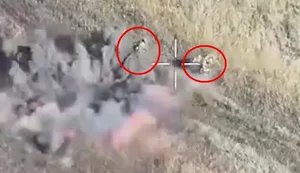
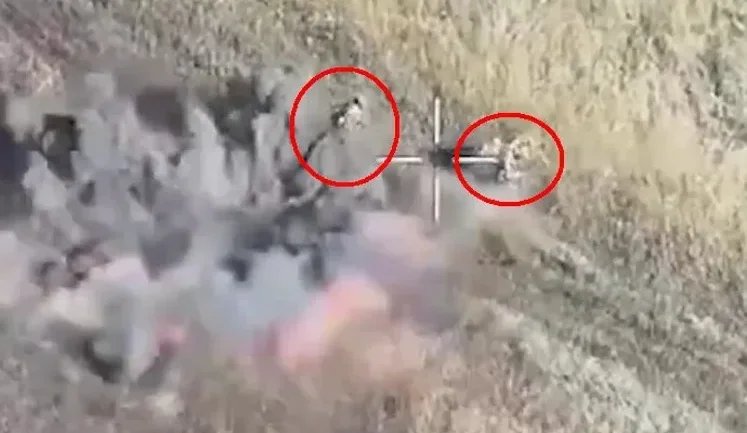
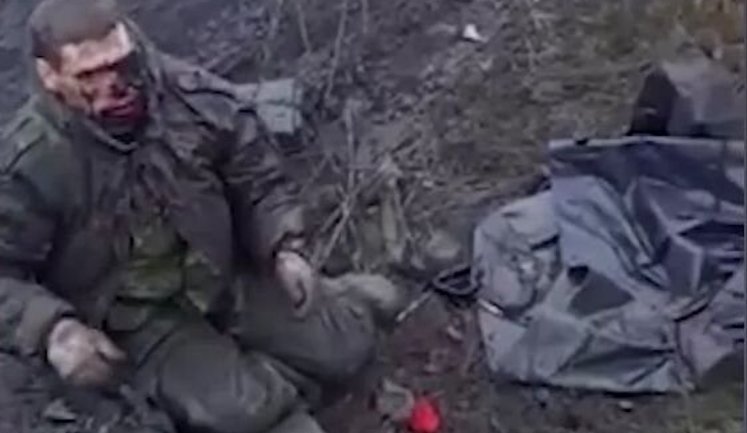
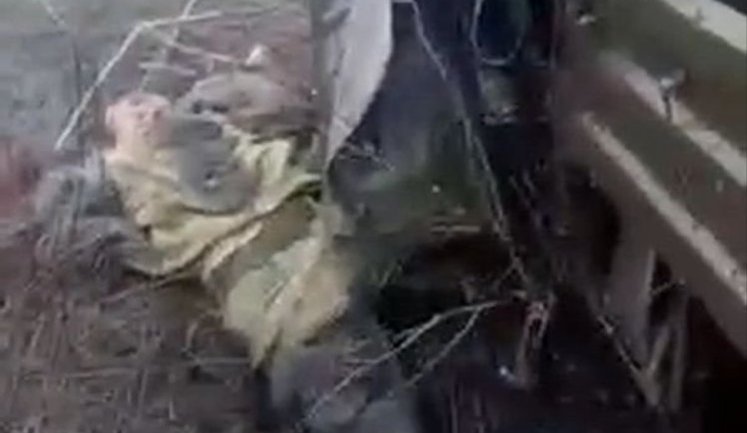
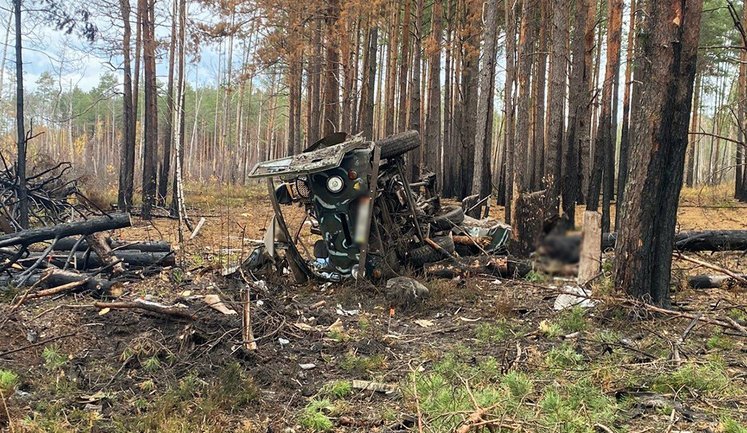
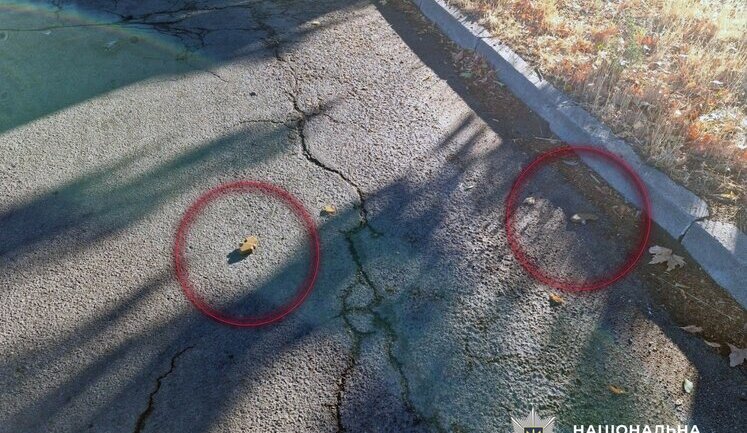
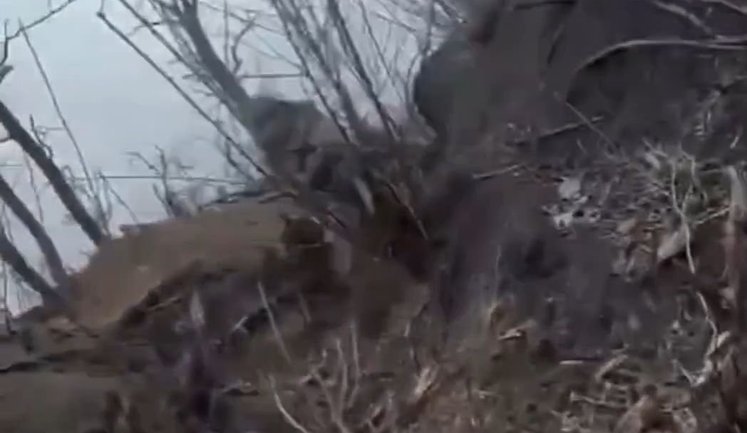
In recent times, the use of mines in conflict zones has become a prominent tactic resulting in significant disruptions. Evident from the confrontation in Ukraine, incidents involving anti-personnel and anti-tank mines have been extensively documented. Videos circulated online depict Russian occupiers encountering mines, often with fatal outcomes, underscoring the hazardous nature of these weapons. Videos from the war front reveal occupiers triggering "Lepestok" mines during assaults, and Ukrainian troops employing TM-62 mines strategically to dismantle strongholds and enemy hideouts. Finnish withdrawal from the Ottawa Treaty underscores shifting views on mine use. The ongoing mine warfare in the region has not only inflicted casualties but also poses long-term humanitarian risks. Reports of disguised mines, like those resembling firewood, highlight the deceitful tactics used in these operations. Understanding mine disruption in global conflicts is crucial, given their deadly ramifications.
What are the most common types of mines used in conflicts?
Common mines used in conflicts include anti-personnel mines like "Lepestok" and TM-62 anti-tank mines. These devices are strategically placed to target enemy personnel and vehicles, causing significant damage and operational disruption.
How do mines contribute to disruption in conflict zones?
Mines contribute to disruption by injuring or killing military personnel, damaging vehicles, and creating logistical challenges. Their presence can halt troop movements, instigate fear, and lead to prolonged conflicts, impacting both fighters and civilians.
What are the recent developments regarding mine use in Ukraine?
Recent developments show increased use of mines by both Ukrainian and Russian forces. Videos reveal mines being used to destroy enemy shelters and positions, highlighting their tactical importance in the ongoing conflict in Ukraine.
How are humanitarian concerns addressed regarding mine usage?
Humanitarian concerns regarding mines are addressed through international treaties like the Ottawa Convention, along with demining efforts and awareness campaigns. Countries such as Finland have reconsidered their stance, emphasizing the need for responsible use and removal of mines.
What steps are taken to mitigate the effects of mine explosions?
To mitigate mine explosions' effects, military entities deploy specialized demining units and machinery to clear affected areas. Public education on mine risks and safety protocols is essential for ensuring civilian protection during and after conflicts.