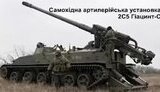
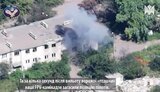
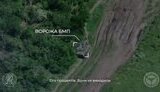
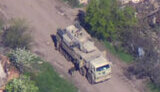
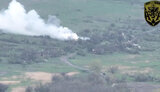
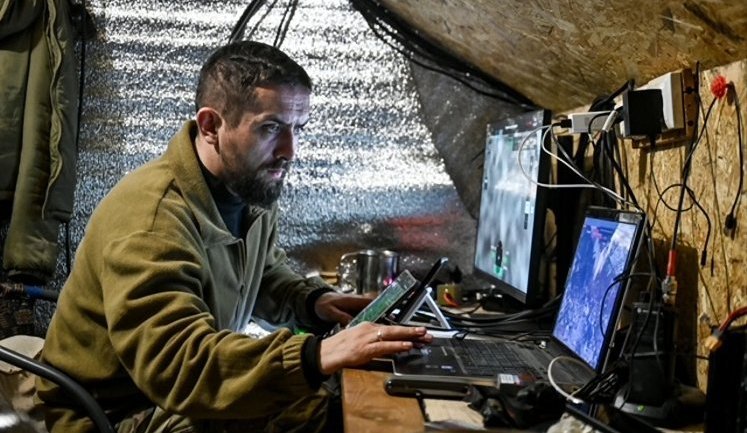
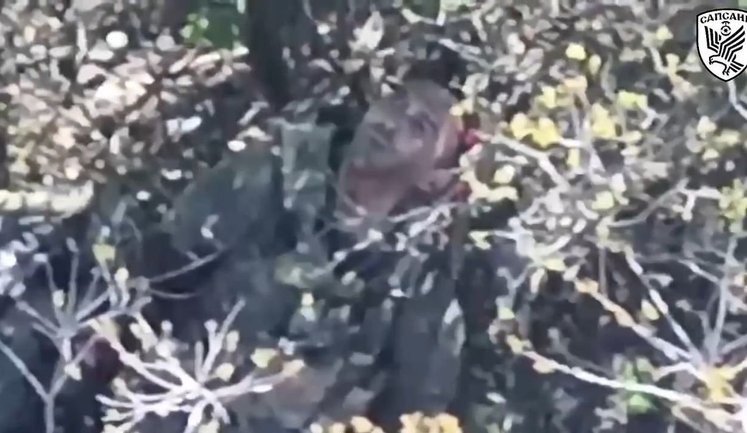
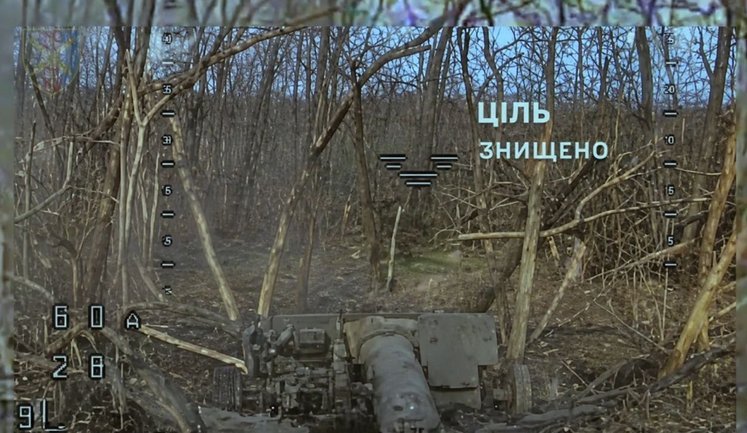
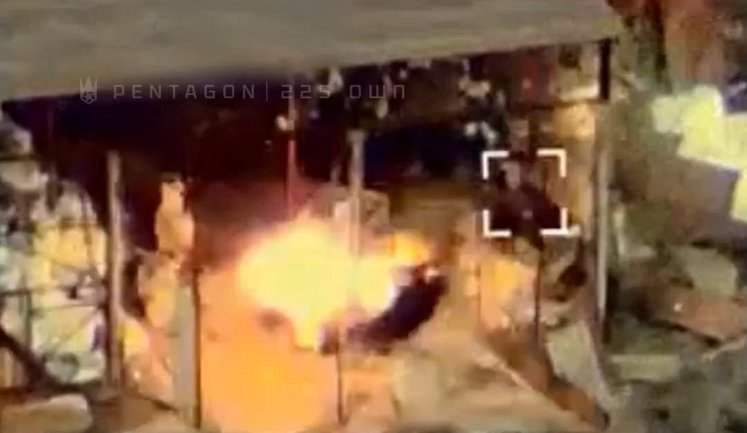
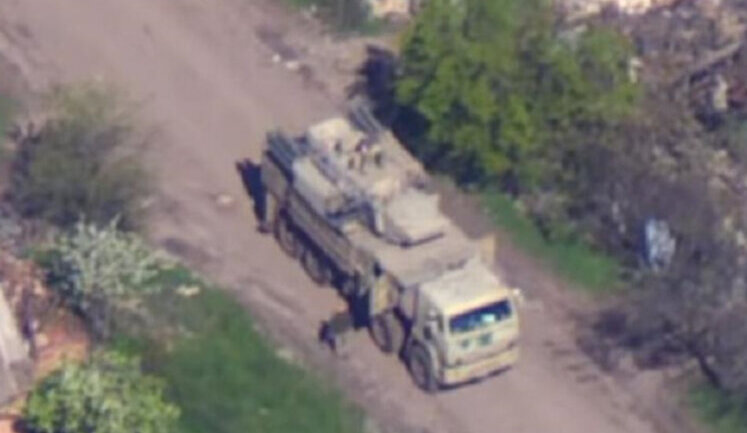
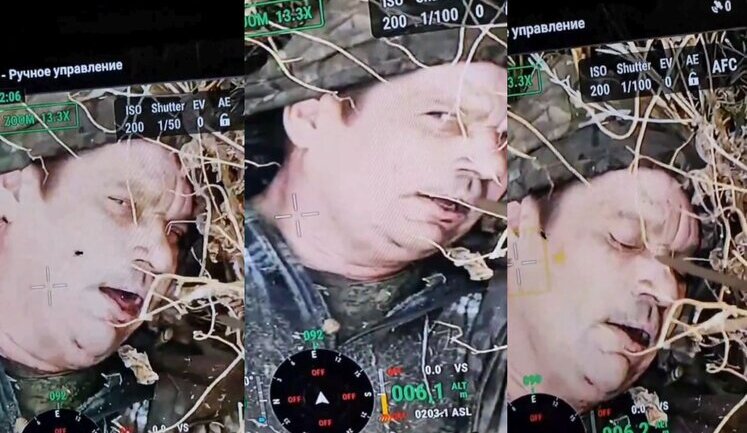
Aerial reconnaissance operations have proven to be vital in the ongoing conflict. Recently, SBGS drone operators teamed up with the Defense Forces to destroy an enemy drone launch site and several shelters. This night operation demonstrated the effectiveness of aerial surveillance and precision strikes. In another notable event, aerial reconnaissance units mocked an occupier's failed attempt to feign death, highlighting the psychological aspects of warfare. The 204th Separate Battalion has announced its need for volunteers skilled in aerial reconnaissance, underscoring the importance of manpower in sustaining these operations. As these examples illustrate, aerial reconnaissance continues to play a critical role in detecting, monitoring, and targeting enemy positions, ensuring the strategic advantage for Ukrainian forces.
How do aerial reconnaissance operations impact military strategy?
Aerial reconnaissance provides critical intelligence that informs military strategies. By identifying and monitoring enemy positions, forces can plan precise attacks, reduce risks, and make informed decisions that enhance situational awareness and mission success.
What recent achievements have been made in aerial reconnaissance in Ukraine?
Recent achievements in Ukrainian aerial reconnaissance include the destruction of an enemy drone launch site and shelters by SBGS operators, highlighting the effectiveness of these missions in neutralizing threats and gathering valuable intelligence.
What role do volunteers play in aerial reconnaissance?
Volunteers are crucial in aerial reconnaissance efforts, providing additional manpower and expertise. Units like the 204th Separate Battalion actively seek volunteers, ensuring sustained operations that contribute to the overall success of military objectives.
How is aerial reconnaissance integrated with other military operations?
Aerial reconnaissance is integrated with ground and artillery operations to ensure coordinated attacks. By relaying real-time intelligence, these units enhance the precision and impact of strikes, significantly contributing to mission effectiveness.
What challenges does aerial reconnaissance face?
Aerial reconnaissance faces challenges such as countermeasures from adversaries, technological limitations, and the need for skilled operators. Continuous innovation and training are necessary to overcome these hurdles and maintain effective surveillance.
Why is video footage important in aerial reconnaissance reports?
Video footage from aerial reconnaissance serves multiple purposes: it provides visual confirmation of mission outcomes, aids in tactical assessments, and serves as educational material to refine future operations. Additionally, it enhances transparency and public trust in military actions.