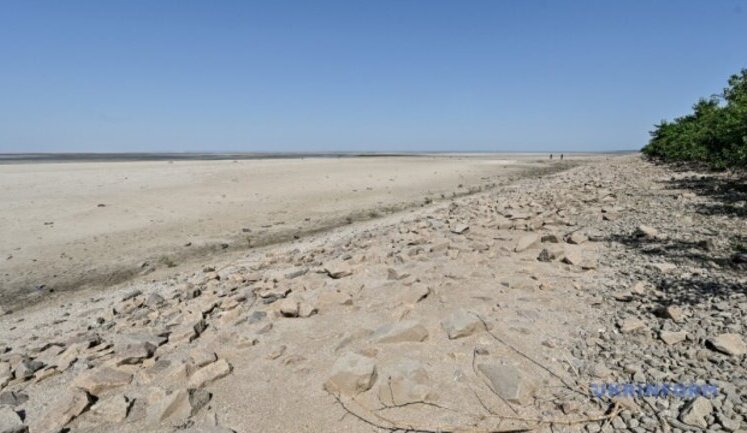
The destruction of the Kakhovka Hydroelectric Power Plant by Russian forces has led to significant environmental and economic consequences in Ukraine. The former Kakhovka Reservoir is now a dried-up area with dense vegetation, affecting military operations and drone usage. Russian troops are exploiting this change to advance towards Zaporizhzhia, while increasing their military presence near the area. Ukrainian military forces have responded with reconnaissance missions, targeting Russian positions located around the former reservoir site. Humanitarian and environmental crises continue to unfold, with major impacts on local communities and ecosystems following the devastation of the Kakhovka HPP.
What were the environmental impacts of the Kakhovka HPP destruction?
The environmental impacts of the Kakhovka HPP destruction include severe ecosystem damages, loss of aquatic life, and the transformation of the reservoir into a dry area. Over 62,000 hectares of forest in the Kherson region were also affected, leading to long-term ecological ramifications.
How has the destruction of the Kakhovka HPP affected local communities?
Local communities have faced severe challenges due to the destruction of the Kakhovka HPP. Flooding has damaged thousands of homes, and the complete drying of the reservoir has caused water shortages. Additionally, there have been humanitarian crises due to mobility limitations and the lack of basic amenities.
What is the strategic significance of the Kakhovka HPP area for Russian forces?
The strategic significance lies in its geographic location, as it offers an alternate route for Russian military advancements toward Zaporizhzhia. The dried reservoir basin, though difficult for drones, provides a potential path for ground operations, making it a focal point for ongoing military strategies.
What efforts are being made to address the humanitarian impacts of the HPP explosion?
Efforts include international aid and the work of humanitarian organizations to provide essentials such as water and food. There are also plans for community resettlement assistance and the restoration of critical infrastructure in affected regions.
What has been the international response to the destruction of the Kakhovka HPP?
The international response has involved condemnation of Russia's actions by entities such as the European Parliament, as well as the provision of aid from countries including Japan and Serbia to address the aftermath of the explosion. Legal actions for reparations are also being prepared by Ukrainian authorities.
How does the Kakhovka HPP destruction affect Ukraine's energy situation?
The destruction of the Kakhovka HPP has curtailed hydropower capacity in Ukraine, putting additional pressure on the energy grid. Restoring the plant will take years, and alternative energy arrangements are essential for maintaining stability in the region's energy supply.