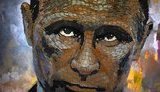
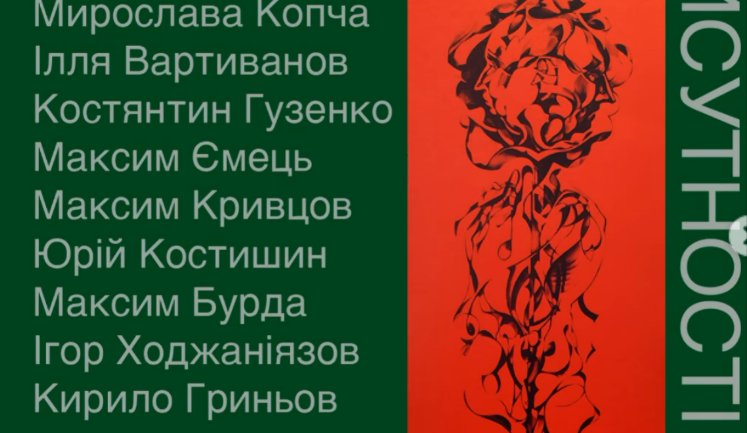
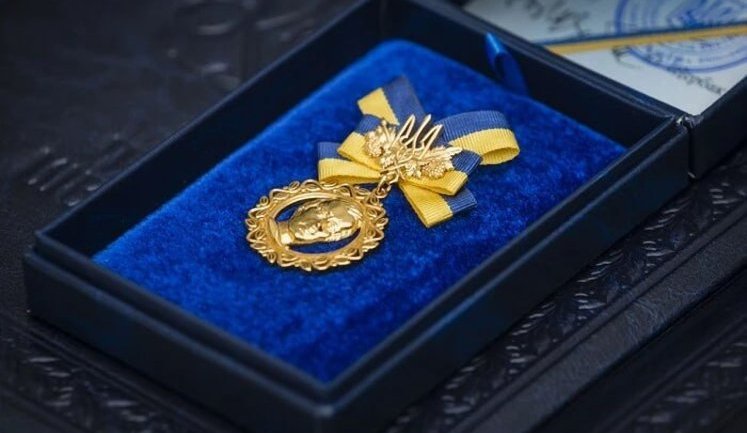
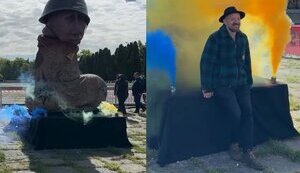
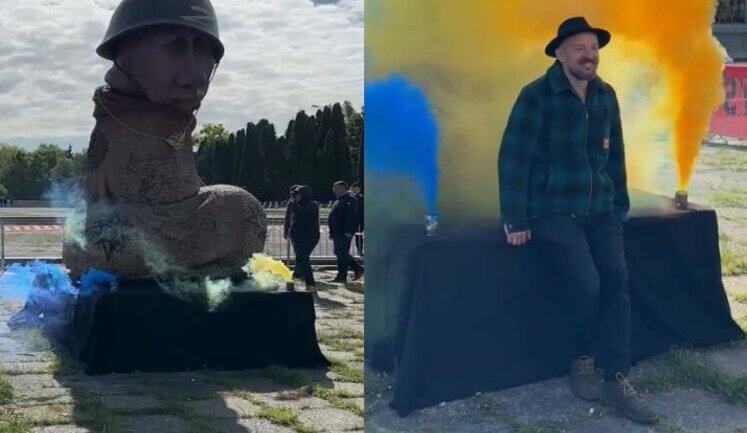
The Ukrainian art scene remains vibrant amid ongoing struggles, with the "Voice of Presence" exhibition in Kyiv showcasing the contributions of artists who defended Ukraine and its culture. The Venice Biennale's jury resignation highlights the challenges of neutrality during conflicts. Further cultural milestones include the prestigious 2026 Shevchenko Prize announcement, recognizing extraordinary artistic accomplishments. Ukrainian and international artists continue to use art as a form of protest and remembrance, such as the anti-war sculpture "Kh#ilo" in Poland and the emotive bullet shell portrait of President Putin exhibited in New York. War and art remain deeply intertwined, shedding light on Ukraine's heritage and ongoing strife for freedom.
How do Ukrainian artists contribute to freedom and culture?
Ukrainian artists like those in the "Voice of Presence" exhibit create works that reflect and support the struggle for freedom, playing key roles in shaping contemporary Ukrainian culture and raising awareness about the nation's challenges and identity.
What does the resignation of the Venice Biennale jury signify?
The resignation signifies a stance against perceived neutrality of aggressor cultures during conflicts. It reflects a broader sentiment that cultural institutions must take a stand against aggression and support nations like Ukraine under duress.
Why is the Shevchenko Prize important in Ukraine?
The Shevchenko Prize is a prestigious award recognizing significant contributions to Ukrainian culture and arts. It highlights achievements in literature, music, visual arts, and more, celebrating national identity and artistic talent.
How does art serve as a form of protest in Ukraine and abroad?
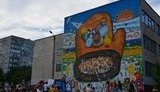
Art functions as a protest medium by symbolically representing conflicts and injustices, such as the anti-war sculpture "Kh#ilo" and the bullet shell portrait of President Putin. These works criticize aggression and commemorate resilience.
What is the significance of cultural restitution efforts by Poland?
Poland's restitution efforts aim to recover cultural property lost during WWII, highlighting historical injustices and the ongoing importance of preserving and restoring national heritage to reinforce cultural identity.
In what ways have foreign artists engaged with Ukrainian themes?
International artists engage through collaborations and exhibitions that depict Ukrainian struggles and themes, such as murals or anti-war installations, promoting global solidarity and awareness of Ukraine's cultural and political issues.