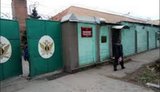
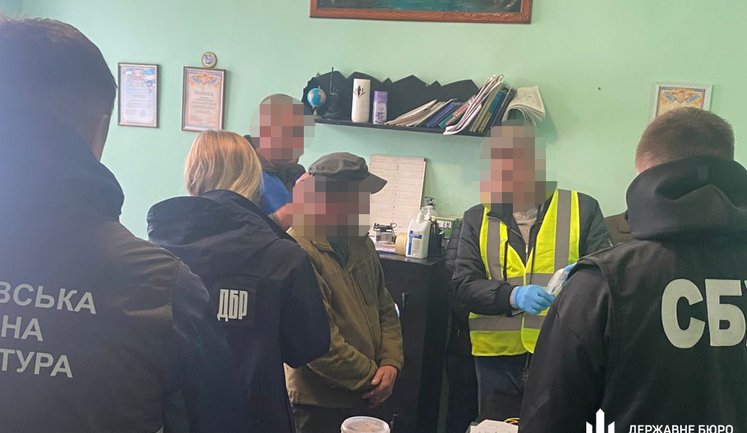
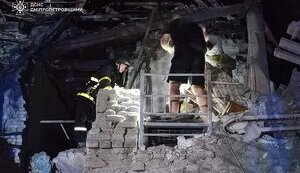
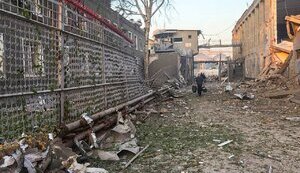
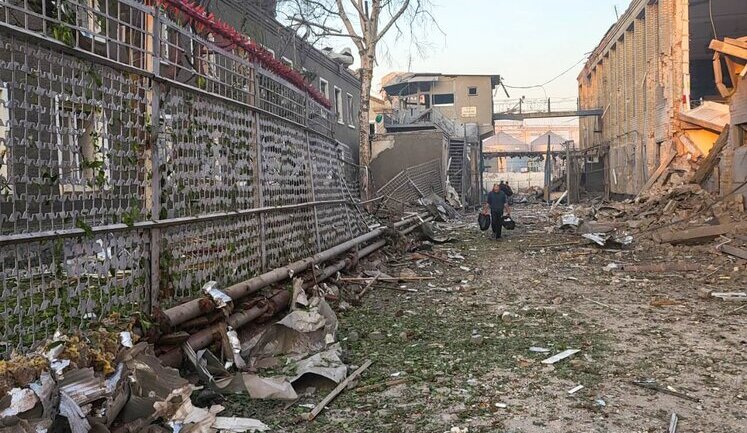
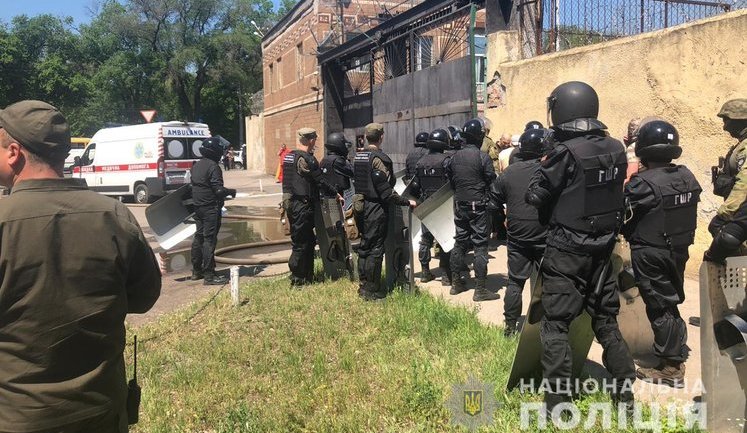
In recent months, the security situation in Ukrainian colonies has deteriorated sharply. The State Bureau of Investigation recently uncovered a drug trafficking network in Mykolaiv's Kazankivska Correctional Colony, implicating a prison employee as a courier. In another alarming development, Russian airstrikes targeted Bilenkivska Correctional Colony in Zaporizhzhia, resulting in significant casualties among inmates. These incidents highlight the ongoing volatility and security threats in Ukraine's detention facilities. Additionally, findings of systematic torture in Poltava's pre-trial detention center have raised human rights concerns, prompting calls for enhanced monitoring and reform in Ukrainian penal institutions. Meanwhile, Ukraine’s preparation of special detention centers for extradited officials reflects efforts to adapt to security challenges amid ongoing conflict.
What is the State Bureau of Investigation's role in penal colonies?
The State Bureau of Investigation (SBI) plays a critical role in ensuring law and order within Ukrainian penal colonies. Their responsibilities include investigating crimes such as drug trafficking, abuse, and corruption within these institutions. Recent efforts by the SBI have exposed illegal activities, including drug courier networks involving prison employees. By collaborating with other security services like the SSU, the SBI aims to maintain security and uphold human rights standards within correctional facilities across Ukraine.
How has the war impacted Ukrainian penal colonies?
The war has significantly impacted Ukrainian penal colonies, with frequent threats from military actions. Notably, Russian forces have targeted these facilities with airstrikes, causing casualties and widespread damage. Inmates and staff are often caught in crossfire, making it a challenge to maintain security and safety in these environments. The ongoing conflict exacerbates existing vulnerabilities, demanding increased international attention and assistance in ensuring the protection of inmates and upholding justice within the legal system.
What are the reported human rights abuses in Ukrainian detention centers?
Reports of human rights abuses in Ukrainian detention centers have emerged, highlighting cases of systematic torture, beatings, and inadequate care for prisoners. Investigations, like those conducted by the SBI in Poltava, reveal the severity of these abuses. Detainees, including political prisoners and prisoners of war, often endure harsh conditions, deprivation, and extreme measures to extract confessions. These reports underscore the urgent need for reform and oversight to protect the rights of detainees and enhance transparency within the judicial and correctional systems.
What steps has Ukraine taken to accommodate extradited individuals?
Ukraine has established specialized detention centers and colonies to accommodate extradited individuals. These centers are strategically located away from conflict zones and feature updated infrastructure and security measures to ensure the safety and rehabilitation of detainees. This move is part of a broader effort to adapt to ongoing security challenges while adhering to international legal standards. These facilities aim to provide humane conditions while managing the complex logistics of housing individuals involved in international legal proceedings.
How are drug trafficking issues managed within Ukrainian colonies?
Drug trafficking within Ukrainian colonies is managed through coordinated efforts between law enforcement agencies and the prison administration. The State Bureau of Investigation actively pursues leads and conducts operations to dismantle drug networks. Collaboration with the State Security Service and other agencies helps identify and prosecute individuals involved in these illegal activities. Regular inspections, enhanced surveillance, and staff training are integral to preventing drug trafficking and ensuring a secure environment for inmates.