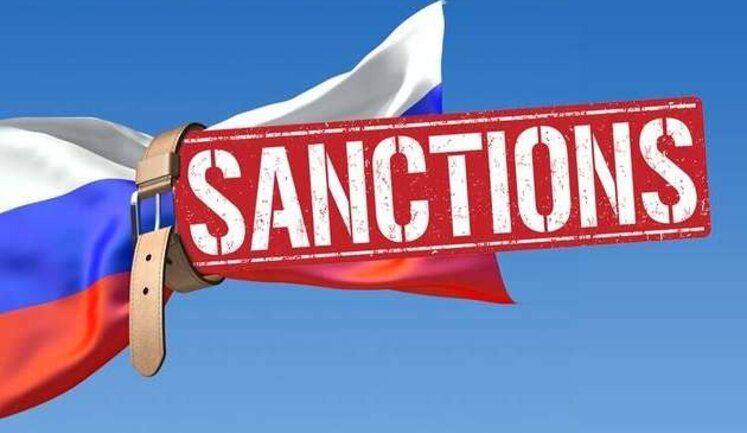
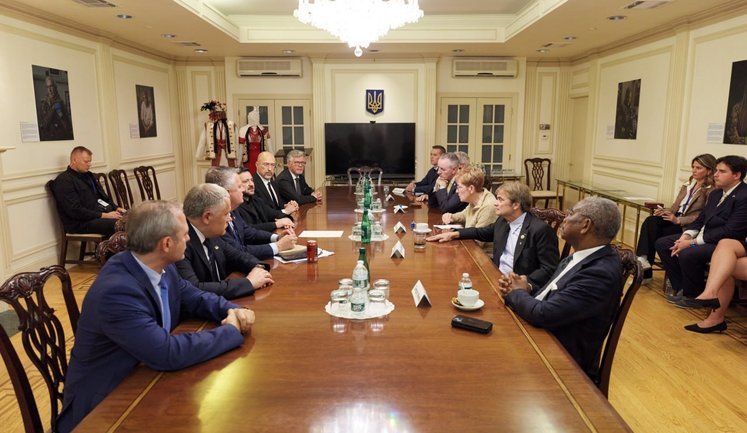
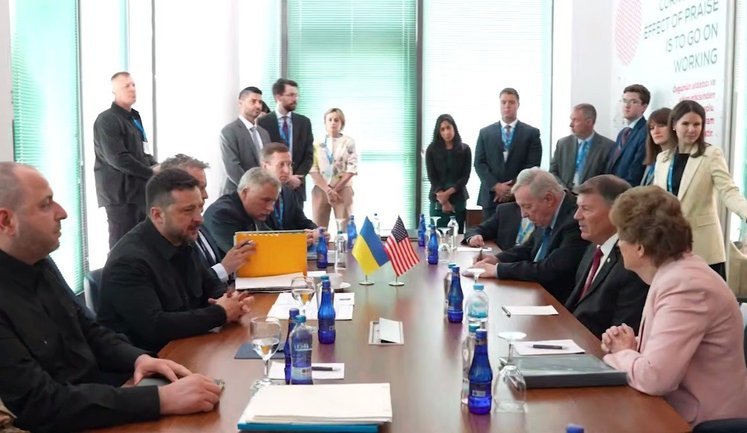
Within the realm of US Congress, discussions continue to intensify concerning sanctions on Russia and the continuation of aid to Ukraine. Recently, Graham’s "hell sanctions" bill, poised to strengthen measures against Russia, awaits reevaluation by the House of Representatives. Concurrently, Human Rights Watch urges Congress to halt the transfer of cluster munitions from Turkey to Ukraine, citing human rights concerns. Additionally, the ongoing debate among congressional Democrats and Republicans revolves around the implications of tariffs up to 100% on imports linked to Russian energy. As the year progresses, the potential new aid package for Ukraine underscores a sustained U.S. commitment.
What is the U.S. Congress’s current position on sanctions against Russia?
The U.S. Congress is actively deliberating over a range of sanctions against Russia. A pivotal piece of legislation, known as the “hell sanctions” bill, aims to expand the existing sanctions framework. This legislation has garnered significant bipartisan support within the Senate, indicating a strong congressional will to curb Russia’s geopolitical maneuvers and reinforce international norms and alliances.
How does the U.S. Congress approach aid to Ukraine?
U.S. Congress continues to emphasize substantial aid packages to Ukraine, acknowledging the geopolitical dynamics in Eastern Europe. Emerging legislation not only addresses military support but also covers reconstruction initiatives amidst the conflict’s ongoing challenges. The endorsement of such aid reflects a bipartisan consensus on the imperative of supporting Ukraine’s sovereignty and addressing humanitarian needs.
What concerns are being raised about cluster munitions by the U.S. Congress?
Concerns within the U.S. Congress have been raised, notably driven by advocacy responses from Human Rights Watch, regarding the potential transfer of cluster munitions from Turkey to Ukraine. These apprehensions are rooted in humanitarian grounds, emphasizing the severe implications that such transfers could have on civilians. The discourse reflects an underlying commitment to humanitarian principles amid conflict resolution efforts.
Are there any legislative actions about energy tariffs being considered by the U.S. Congress?
Within the U.S. Congress, legislative debates are unfolding around introducing tariffs tied to energy imports, specifically from nations engaging with Russian energy resources. Such measures reflect economic strategies considered essential for geopolitical leverage and reducing dependency on adversarial resources, thus reinforcing fair trade practices aligned with national security interests.
What are the implications of Congress’s potential new aid package for Ukraine?
Congress’s deliberations on a new aid package for Ukraine convey continued U.S. endorsement of Ukraine during tumultuous times. Expected provisions within this package emphasize military assistance, security cooperation, and reconstruction funding, collectively underscoring the strategic U.S. interest in ensuring Ukraine’s resilience against external aggressions while fostering regional stability and support for democratic institutions.