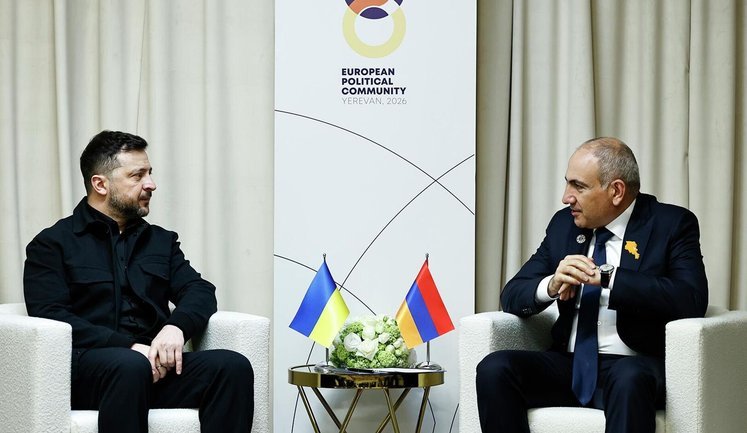
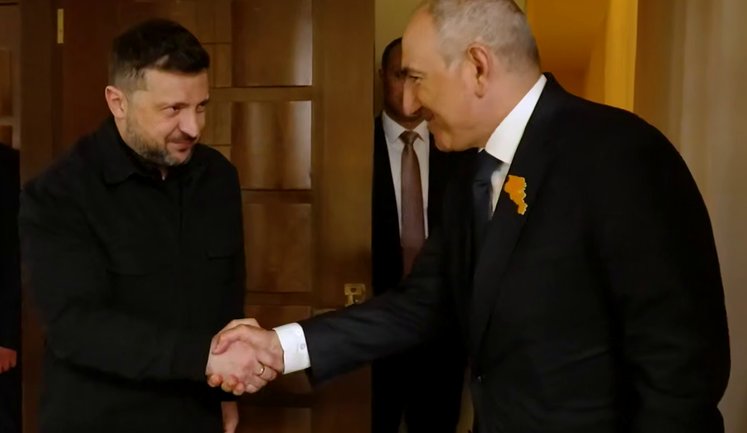
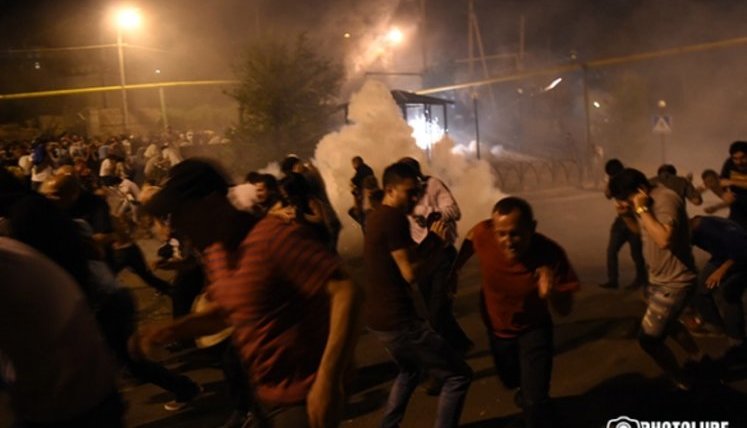
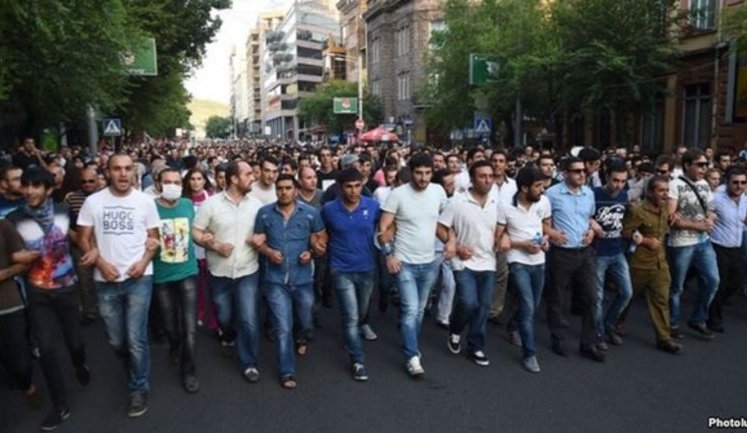
Armenia continues to navigate complex geopolitical landscapes in 2026, marked by tensions with Russia and evolving diplomatic relations in the region. Notable events include the Armenian Parliament Speaker's criticism of Russian propagandists, highlighting ongoing friction. Additionally, Armenia's consideration of EU membership signals a pivot away from longstanding alliances with the Collective Security Treaty Organisation (CSTO). Meanwhile, Russia's military expansion in Armenia underscores its strategic interests in the South Caucasus. Amid these developments, Ukraine extends congratulations on the Armenia-Azerbaijan peace agreement, reflecting regional diplomatic progress. Through these events, Armenia remains a focal point of regional political and military dynamics.
What is Armenia's current relationship with Russia in 2026?
In 2026, Armenia's relationship with Russia is characterized by tensions and strategic recalibrations. The expansion of Russia's military presence in Armenia highlights Moscow's interest in maintaining influence in the South Caucasus, while Armenia's criticism of Russian propagandists reveals underlying diplomatic strains. Additionally, Armenia's freezing of participation in the CSTO and moves toward potential EU membership suggest a shift in its foreign policy direction, complicated further by ongoing conflicts and diplomatic engagements in the region.
How is Armenia addressing its security concerns in 2026?
Armenia addresses its security concerns through diplomatic and strategic actions, reflecting its cautious approach amidst regional tensions. The country has frozen its active participation in the CSTO, underscoring its reassessment of existing alliances. Additionally, Armenian Prime Minister Nikol Pashinyan’s statements about the threats posed by the CSTO illustrate ongoing security apprehensions. Armenia’s engagement in peace agreements with Azerbaijan and consideration of NATO exercises demonstrates its pursuit of diversified security partnerships.
What recent diplomatic efforts has Armenia undertaken in the region?
Armenia has been actively engaged in significant diplomatic efforts in the South Caucasus region. Notably, it has helped broker a peace agreement with Azerbaijan, an endeavor supported by the Ukrainian Ministry of Foreign Affairs. This highlights Armenia's commitment to stabilizing regional tensions. The country is also assessing potential EU membership, marking a strategic shift in its diplomatic posture. These diplomatic actions underscore Armenia's efforts to bolster regional peace and diversify its international alliances.
How does Armenia's relationship with the CSTO impact its security strategy?
Armenia's evolving relationship with the CSTO significantly impacts its security strategy. By freezing its participation and expressing concerns about the CSTO's threats to its sovereignty, Armenia signals a critical reassessment of its reliance on traditional security arrangements. This shift is part of a broader strategy to explore new alliances, as seen in its consideration of NATO military exercises and potential EU membership. These decisions reflect Armenia's strategic pivot towards a more independent and diversified security approach amidst regional complexities.
What are the key geopolitical challenges facing Armenia in 2026?
Armenia faces several key geopolitical challenges in 2026, notably its complex relations with neighboring countries and global powers. The expansion of Russian military presence within its borders poses a potential challenge, alongside strained relations due to critical remarks from Armenian leaders about Russian propagandists. Additionally, Armenia's pursuit of better relations with the European Union and peace agreements with Azerbaijan reflects its need to navigate regional tension while ensuring national security and sovereignty. These factors highlight Armenia's strategic balancing act amid a dynamic geopolitical landscape.