The landscape of medicine in Ukraine has seen significant advancements and challenges. Recent investigations revealed schemes involving inflated prices for medicines intended for the Armed Forces of Ukraine, with losses exceeding UAH 80 million. Such events highlight the ongoing issues in the healthcare supply chain. On a positive note, the Cabinet of Ministers has broadened the list of free state-funded medicines, enhancing patient access to necessary treatments. Moreover, Ukraine has taken proactive measures to bolster its healthcare systems amid external threats by securing essential medicines, such as radiation sickness drugs, through strategic international collaborations. Amidst these developments, the registration of the first medicines based on medical cannabis marks a progressive step in diversifying treatment options. These stories collectively depict the dynamic and evolving state of the medicine sector in Ukraine.
What major scheme was uncovered involving medicines for the Armed Forces?
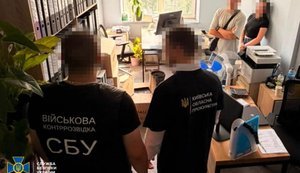
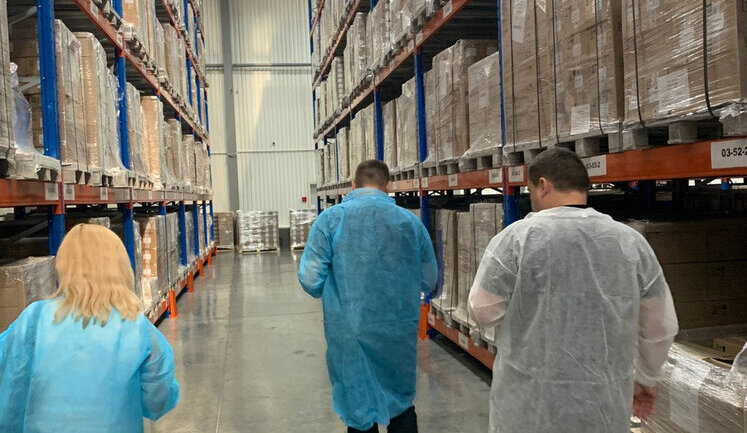
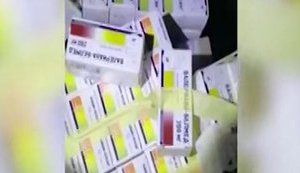
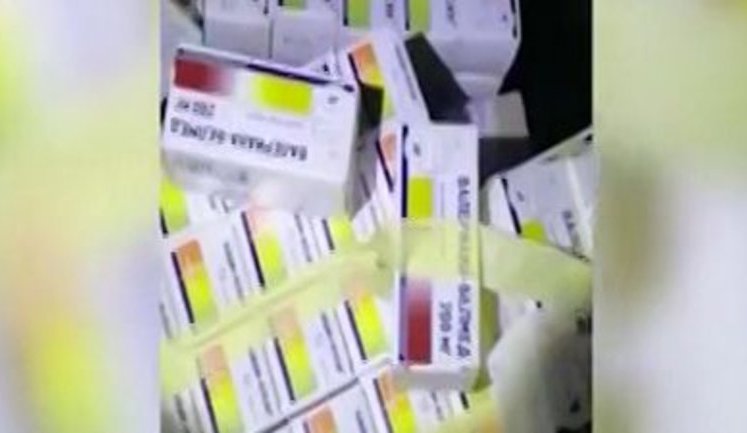
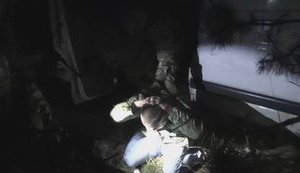
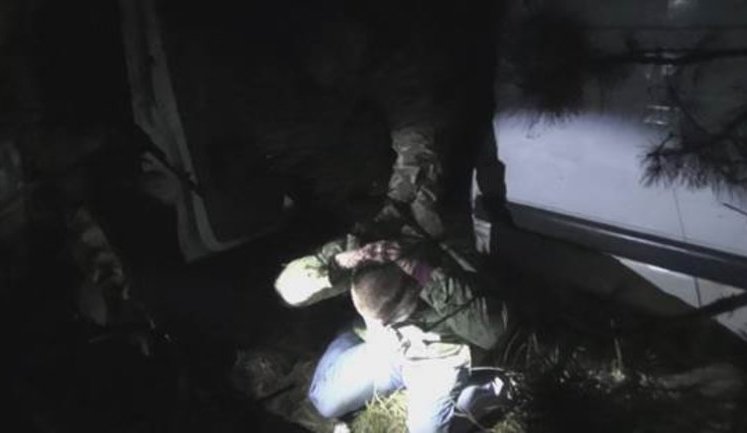
A significant scheme resulting in over UAH 80 million in losses was uncovered involving representatives selling medicines at inflated prices to the Armed Forces of Ukraine. This operation was exposed by the SSU, leading to the arrest of involved parties in various regions, including Kyiv and Lviv.
How is Ukraine improving access to free medicines?
The Cabinet of Ministers of Ukraine has expanded the list of state-funded medicines and medical devices available for free. This initiative aims to enhance the accessibility of necessary treatments for patients, funded by the state budget.
What international collaborations has Ukraine pursued for medical supplies?
Ukraine has actively collaborated with international partners, such as signing agreements with Israeli biotechnology firms to acquire life-saving radiation sickness drugs. These measures are part of a broader strategy to strengthen emergency preparedness against potential nuclear incidents.
What is the status of medical cannabis in Ukraine?
In Ukraine, the first medicines based on medical cannabis have been registered, with oral drops manufactured in Spain anticipated to be available in pharmacies. This development indicates a progressive shift towards integrating alternative medicine options into the healthcare system.
What challenges has Ukraine faced concerning medicine in occupied territories?
Challenges include severe shortages of medicines for civilians in occupied regions, as resources are prioritized for military purposes. This shortage has been exacerbated by logistical obstacles and restricted access to humanitarian corridors for delivering essential medical supplies.
How has the Ukrainian government addressed illegal medicine operations?
The Ukrainian authorities have exposed illegal operations, such as those organized by a sanctioned oligarch facilitating the unauthorized production of Ukrainian medicines in Russia. These efforts are part of broader crackdowns on illegal activities within the pharmaceutical sector.