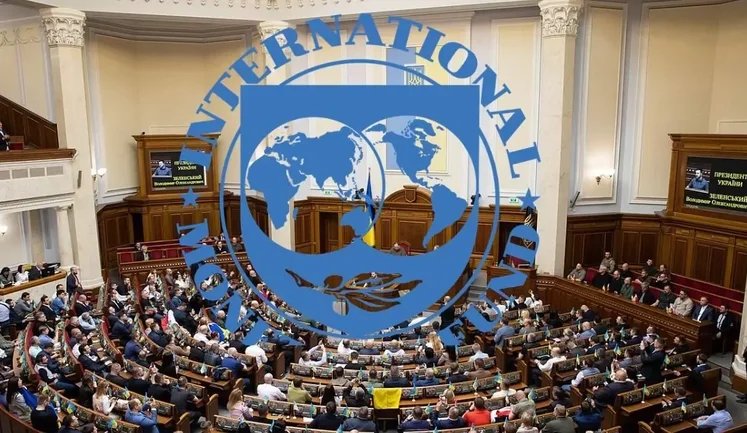
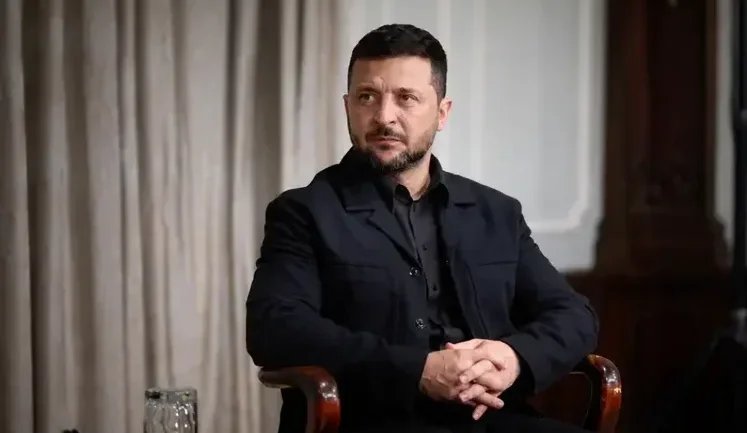
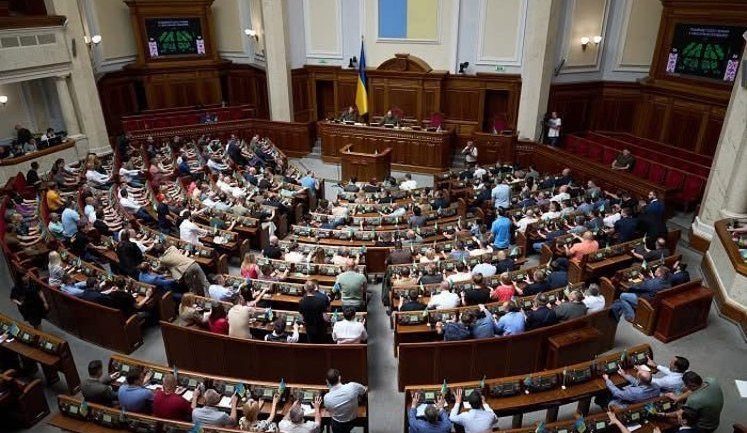
The International Monetary Fund (IMF) is central to Ukraine’s economic stability, with a $8.1 billion Extended Fund Facility (EFF) aimed at stabilizing the war-affected economy. However, challenges persist as Ukrainian parliament faces difficulties in passing IMF-required reforms, crucial for maintaining international financial support. A recent IMF mission in Kyiv is set to evaluate Ukraine’s progress in implementing agreed reforms and discuss potential financing adjustments. As funding delays pose risks, Ukrainian officials emphasize the need for institutional reforms and balanced tax policies to fulfill IMF criteria and ensure economic growth despite the ongoing war with Russia.
How does the IMF support Ukraine's economy?
The International Monetary Fund supports Ukraine's economy through financial assistance programs like the $8.1 billion Extended Fund Facility (EFF). These programs are designed to stabilize the economy by providing necessary funds to cover budget deficits and support economic reforms. The IMF conditions its support on the implementation of critical structural reforms to improve economic governance and ensure efficient use of funds.
What are the conditions tied to the IMF's financial aid to Ukraine?
The IMF's financial aid to Ukraine, particularly under the Extended Fund Facility, is contingent on several conditions, including the implementation of structural reforms, anti-corruption measures, and strengthening of economic institutions. Ukraine must also address tax policy reforms and energy subsidy reductions to align with the IMF's recommendations to facilitate economic stability and growth.
What challenges does Ukraine face in meeting IMF requirements?
Ukraine faces significant challenges in meeting IMF requirements due to political hurdles in parliament, where passing necessary legislation is difficult. The war with Russia further complicates these efforts, as it strains government resources and focuses political energy on immediate security concerns, hampering long-term economic reform strategies essential for IMF compliance.
Why is the IMF concerned about Ukraine's institutional capacity?
The IMF is concerned about Ukraine's institutional capacity because effective governance and robust institutions are crucial for implementing reforms and managing funds efficiently. Without strong institutions, Ukraine risks misallocation or inefficient use of the financial support, jeopardizing its economic recovery and the credibility of its commitment to the international community.
What potential risks does Ukraine face without IMF funding?
Without IMF funding, Ukraine faces significant risks, including worsening budget deficits, inability to finance critical infrastructure projects, and potential loss of international investor confidence. This could lead to economic instability and increased pressure on the government to find alternative, possibly less favorable, financial sources while dealing with the ongoing war's economic impact.
How does the ongoing war affect IMF's economic outlook for Ukraine?
The ongoing war in Ukraine profoundly affects the IMF's economic outlook, introducing uncertainty and risk. It complicates fiscal planning, affects investor confidence, and necessitates substantial international financial assistance. The war also diverts governmental focus from long-term economic reforms crucial for sustaining economic growth and stability as envisioned by IMF programs.