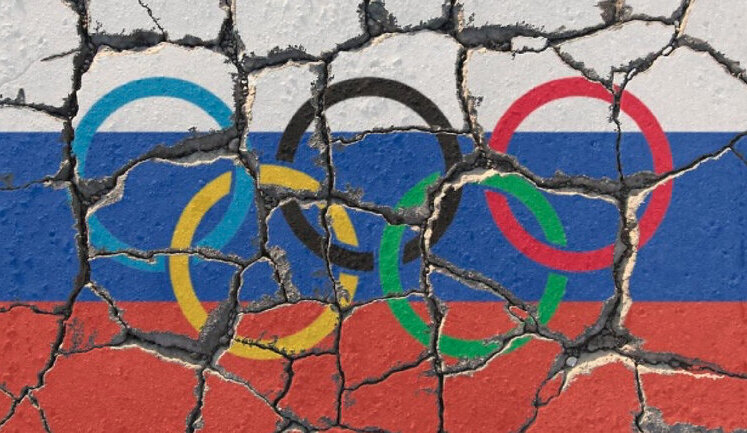
The International Olympic Committee's recent decisions, particularly regarding the reinstatement of the Russian Olympic Committee and lifting restrictions on Russian athletes, have ignited global controversy. European Union members propose cutting off IOC funding, expressing dissatisfaction with the committee’s choices that seem to defy international sanctions. Criticism also came from Eastern Europe; Estonia and Lithuania openly condemned these decisions. Ukrainian officials and athletes, including skeleton racer Vladyslav Heraskevych, have been vocal about perceived injustices and bans that appear biased, further fueling tensions between the IOC and affected countries. Meanwhile, the IOC promises aid to Ukraine, offering support for sports facilities amid the ongoing geopolitical tensions.
How has the European Union reacted to the IOC's decision on Russia?
The European Union has reacted strongly to the IOC's decision on Russia, with Estonia suggesting cutting off funding to the IOC. European officials are discussing possible measures as the decision is seen as undermining sanctions against Russia. The decision has been widely criticized for seemingly overlooking the ongoing geopolitical tensions in Eastern Europe.
What was the response of Eastern European countries to the IOC decision?
Eastern European countries, including Estonia and Lithuania, were critical of the IOC's decision to allow Russian athletes to participate in international competitions. They believe this undermines international sanctions and fails to hold Russia accountable for its actions, further heightening regional tensions.
Why is the IOC's decision considered controversial in Ukraine?
In Ukraine, the IOC's decision is controversial because it seems to ignore the ongoing conflict and aggression faced by the country. Ukrainian athletes like Vladyslav Heraskevych have faced bans, which are viewed as unfair, especially when compared to the leniency reportedly shown towards Russian athletes, often amplifying the feeling of injustice and bias within the Olympic framework.
What actions are proposed by Ukrainian authorities in response to the IOC's decisions?
Ukrainian authorities have condemned the IOC's decisions, labeling them as irresponsible. They have called for further sanctions against Russia and criticized the inclusion of athletes from occupied territories in Russian teams, urging the IOC to uphold the Olympic Charter and impose stricter measures against Russian sports participation.
What support has the IOC promised to Ukrainian sports facilities?
The IOC has promised to support Ukrainian sports facilities by facilitating the transfer of electric generators. This initiative aims to aid Ukrainian sports infrastructure, which has been affected by the ongoing conflict, and suggests a willingness by the IOC to assist Ukraine at a practical level while international political tensions continue.
How has the IOC's treatment of Vladyslav Heraskevych been perceived?
The treatment of Ukrainian skeleton racer Vladyslav Heraskevych by the IOC has been met with significant criticism. The decision to disqualify him from competing at the Winter Olympics is seen as unjust, especially against the backdrop of his symbolic actions during competition and the broader political conflict. This has sparked further controversy surrounding the IOC's impartiality in enforcing regulations against athletes based on nationality.
What implications do these IOC decisions have for international relations?
The IOC's decisions have strained international relations, highlighting divisions between countries supporting the sanctions against Russia and those favoring the reinstatement of its athletes. These decisions may influence diplomatic ties, potentially prompting policy adjustments in international sports governance and sanctions enforcement as nations navigate the complex geopolitical landscape.
What was the IOC's rationale for lifting restrictions on Russian athletes?
The IOC recommended lifting restrictions on Russian athletes, suggesting that the reinstatement of their Olympic Committee's membership aligns with the principle of neutrality in sports. However, this decision has been interpreted as contrary to the overarching aim of international sanctions, drawing sharp criticism from geopolitical entities and human rights advocates alike.
What are the broader international consequences of the IOC's recent actions?
The IOC's recent actions contribute to a complex web of global discontent and divided opinions, which potentially weaken the perception of sports as an apolitical arena. The decisions could set precedents for future governance of global sports, affecting international policies and the reputations of organizations that intersect with political interests.
How might the IOC's actions influence future Olympic Games?
The IOC's current approach, especially its leniency towards Russian and Belarusian participation, may set disputed precedents affecting future Olympic Games policies. It poses significant challenges to neutrality in sports and could lead to increased geopolitical interventions in the governance of international sporting events, with potential diplomatic conflicts arising from perceived biases.