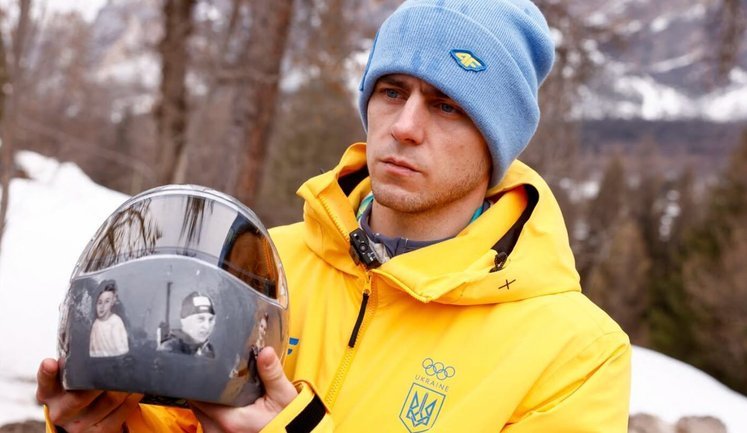
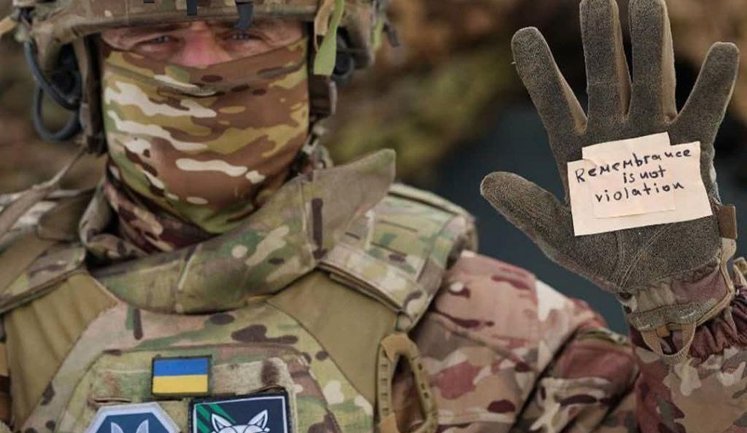
Ukrainian skeleton racer Vladyslav Heraskevych has faced considerable challenges at the 2026 Winter Olympics, igniting a global conversation around his "helmet of remembrance," which honours fallen Ukrainian athletes. Heraskevych was disqualified from the competition by the International Olympic Committee (IOC), a decision met with criticism from figures like Czech President Petr Pavel. Despite setbacks, Heraskevych received the Order of Freedom from President Zelenskyy for his service to Ukraine. The controversy has also drawn threatening messages from Russian sources, underscoring the tensions surrounding his patriotic gesture. Despite the IOC restoring his accreditation, Heraskevych remains barred from competing in Milan-Cortina, highlighting ongoing debates over sports and political symbolism.
What is the helmet of remembrance controversy involving Heraskevych?
The helmet of remembrance controversy revolves around Vladyslav Heraskevych's decision to honor deceased Ukrainian athletes with a special helmet during the 2026 Winter Olympics. The International Olympic Committee disqualified him, sparking widespread debate and criticism, particularly regarding the intertwining of sports with political statements. The helmet has become a symbol of Ukrainian resilience and has garnered significant international attention.
Why did the IOC disqualify Vladyslav Heraskevych?
Vladyslav Heraskevych was disqualified by the International Olympic Committee (IOC) for his intention to wear a "helmet of remembrance," which they deemed a breach of the Olympic charter's rules on political neutrality. The decision has been contentious, with many arguing that it was an unjust limitation on personal expression and a failure to respect the memory of fallen athletes.
How did President Zelenskyy respond to Heraskevych's disqualification?
President Volodymyr Zelenskyy strongly opposed the IOC's decision to disqualify Vladyslav Heraskevych, viewing it as unfair. He honored Heraskevych with the Order of Freedom to acknowledge his dedication and service to Ukraine. Zelenskyy's stance emphasizes the importance of remembering Ukrainian heroes, even in the realm of international sports.
What was Heraskevych's reaction to the criticism from Russia following the helmet controversy?
Heraskevych reported receiving numerous threats and negative reactions from Russian individuals following the helmet of remembrance controversy. These threats highlight the international tensions and the sensitivity surrounding the memorial gesture, indicating the broader implications of his actions on international relations and perceptions of the Olympic spirit.
What support has Heraskevych received despite his disqualification?
Despite his disqualification, Vladyslav Heraskevych has received substantial support, notably from Ukrainian President Zelenskyy, who awarded him the Order of Freedom, and from international figures criticizing the IOC's decision. Additionally, there has been public support in Ukraine and abroad, standing in solidarity with Heraskevych's message and condemning the perceived injustice of his disqualification.
What alternatives did the IOC propose regarding Heraskevych's helmet?
The IOC suggested that while Heraskevych could not wear the "memory helmet" during his Olympic races, he could instead display it before or after the competition. This proposal was an attempt to balance the Olympic charter's neutrality rules with the athlete's desire to honour the deceased Ukrainian athletes, though it has not fully placated those opposing the disqualification.
How did the international community react to Heraskevych's disqualification from the Olympics?
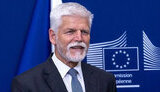
The international reaction to Heraskevych's disqualification has been mixed, with some supporting the IOC's adherence to Olympic rules and others, including political leaders like Czech President Petr Pavel, arguing against the decision as unfair. The incident has sparked a broader conversation about the role of personal beliefs in international sports.
What led to Heraskevych receiving the Order of Freedom from President Zelenskyy?
Vladyslav Heraskevych was awarded the Order of Freedom by President Zelenskyy as recognition of his courage and dedication to representing Ukraine on the international stage, especially amidst the controversy surrounding his disqualification. It highlights the Ukrainian leadership's support for athletes who bring attention to national issues through their platforms.
Has the IOC reconsidered its stance on Heraskevych's participation in the Olympics?
The IOC has partially reconsidered by restoring Heraskevych’s accreditation to remain at the 2026 Olympics, but he is still barred from competition. This reflects ongoing concerns about the balance between individual expression and adherence to Olympic policies, maintaining a focus on political neutrality while attempting to address public sentiment.