



Heraskevych may display "helmet of remembrance" after his performance, but not during race, - IOC
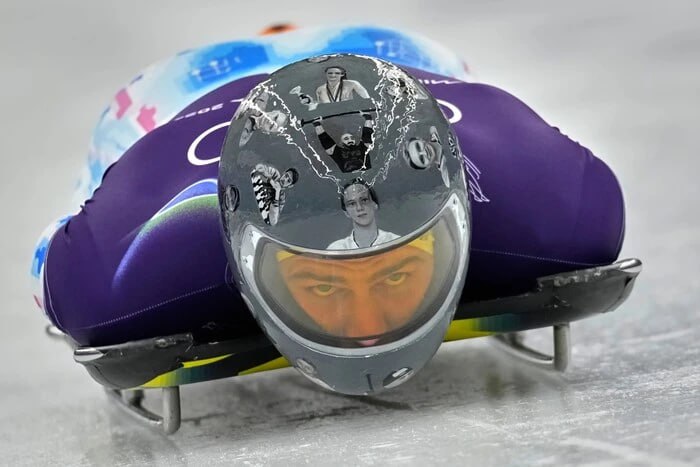
The International Olympic Committee called on Ukrainian skeleton racer Vladyslav Heraskevych not to wear the "memorial helmet" during his performance, but offered other options for honouring the deceased Ukrainian athletes, including displaying the helmet after the competition.
According to Censor.NET, citing "Ukrainska Pravda", the official made his statement during a press conference.
Act like a figure skater of Russian origin
He said that the organisation did not want to disqualify the Ukrainian and wanted him to compete. Adams suggested another way to honour the memory of his compatriots.
The official cited the example of American figure skater Maxim Naumov, who is of Russian origin. After his performance in the short programme, Naumov showed a photo of his parents, who died in a plane crash in January 2025.
The IOC suggested that Vladyslav Heraskevych do something similar. He can show off the "helmet of remembrance" in the mixed zone after his run, but not during the race itself.
"Last night's situation reinforces our words – we see this as the way forward. The skater competed, and only then showed his emotions. This is what we will suggest the athlete do – show his pain before and after the competition, just as the skater did. These are very emotional, very human, emotional actions.
Everyone understands when a person has lost their parents in such a tragic way. This emphasises what we are talking about. The Ukrainian athlete can do the same. He can show his helmet, he can talk about it in the mixed zone. We have also relaxed the rules and are offering him a black armband to wear in honour of his friends and colleagues," Adams said.
Vladyslav Heraskevych and the helmet scandal at the 2026 Olympics
- As a reminder, on 9 February, the athlete appeared for the first time at an official training session wearing a helmet decorated with black-and-white photographs of athletes who died as a result of Russia's invasion of Ukraine.
- After that, it became known that the International Olympic Committee (IOC) did not allow Heraskevych to compete in this helmet and suggested replacing it with a black bandage or ribbon without personalisation.
- Heraskevych's reaction: the athlete appeared at the next training session wearing the same helmet that the IOC had banned.


