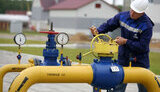
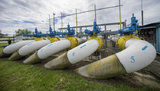
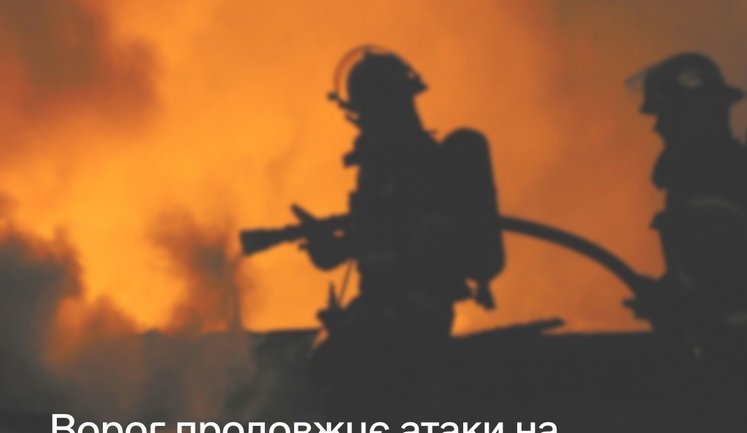
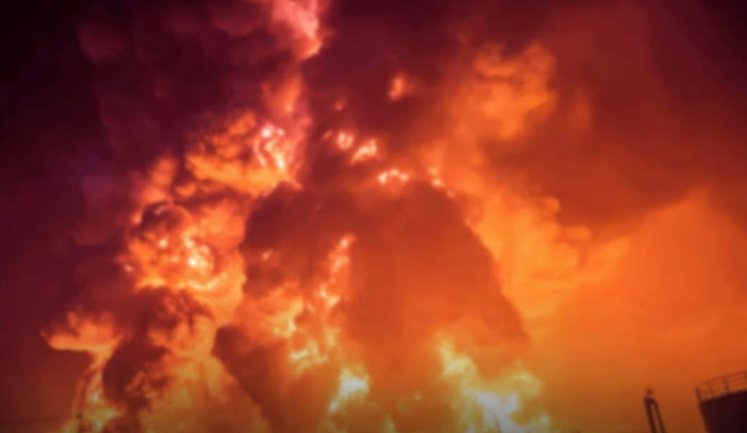
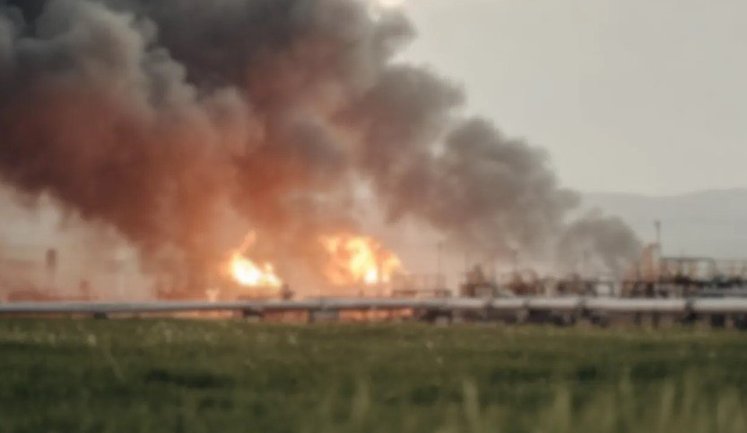
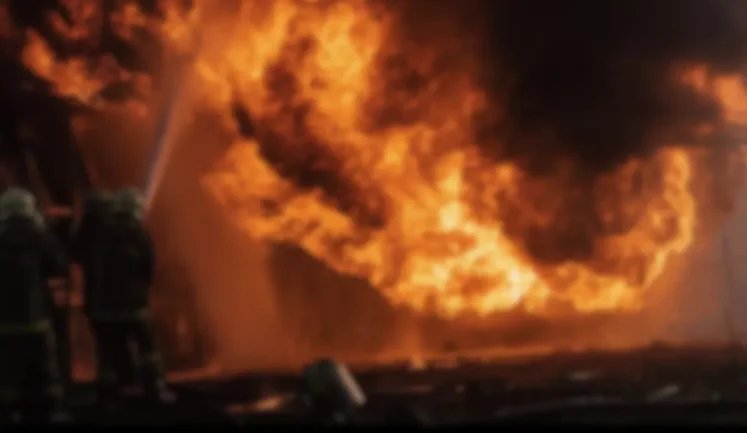
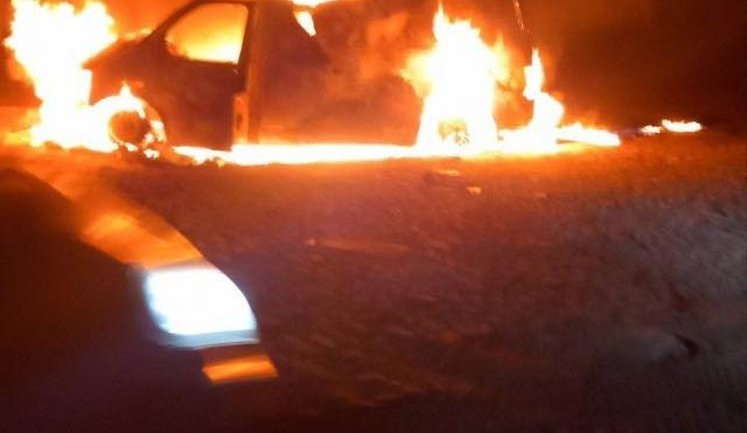
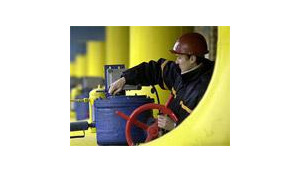
Naftogaz, Ukraine’s key energy firm, has been persistently targeted by Russian military forces, leading to significant damage and operational disruptions across multiple regions, including Poltava and Sumy. These attacks not only threaten Ukraine's gas infrastructure but also pose potential risks to the nation's energy stability and economic security. The Naftogaz Group, along with governmental bodies, is actively briefing international diplomats on these developments, seeking to bolster global awareness and support. Despite these challenges, Ukraine remains committed to maintaining its energy supply chains and exploring alternative avenues to secure its energy needs.
What impact have the attacks on Naftogaz had on gas production?
The recurrent Russian attacks on Naftogaz's facilities have resulted in significant operational halts, particularly in the Poltava region. These interruptions have led to the shutdown of numerous critical gas production units, jeopardizing Ukraine's energy supply and potentially leading to increased tariffs during peak demand seasons.
How is Naftogaz responding to the attacks on its infrastructure?
In response to the attacks, Naftogaz, alongside the Ukrainian government, has ramped up diplomatic efforts to inform international partners of the situation. Additionally, the company is reinforcing its assets and seeking alternative import options to stabilize the energy grid.
Have there been any casualties reported due to these attacks on Naftogaz?
Yes, following recent attacks on Naftogaz facilities in the Poltava region, one employee tragically lost their life. The ongoing aggression continues to pose threats to the safety of personnel working on-site and impacts overall security operations in affected areas.
What measures is the Ukrainian government taking to protect Naftogaz facilities?
The Ukrainian government is actively working on increasing the security of Naftogaz facilities by deploying additional defense measures and coordinating with international allies to enhance protective capabilities. Efforts also include prioritizing energy sector resilience and infrastructure repair projects.
Is there any international assistance being provided to Naftogaz?
While direct international assistance to Naftogaz amid ongoing attacks is limited, Ukraine is receiving diplomatic support. Collaborative efforts are being undertaken with several countries to prevent further damage and secure alternative resources for energy stabilization.
What are the long-term implications of these attacks on Ukraine's energy sector?
The sustained attacks could lead to prolonged disruptions in gas supplies, necessitating increased imports and potentially higher energy costs. Long-term, this could undermine Ukraine's energy independence aspirations, while significantly impacting its economic resilience and regional energy security.