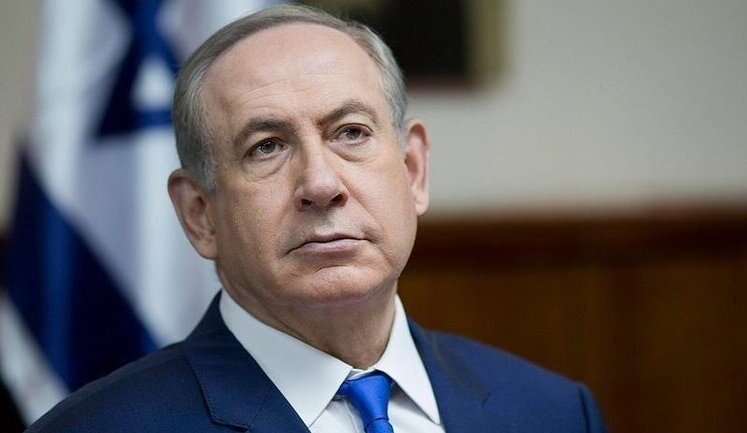
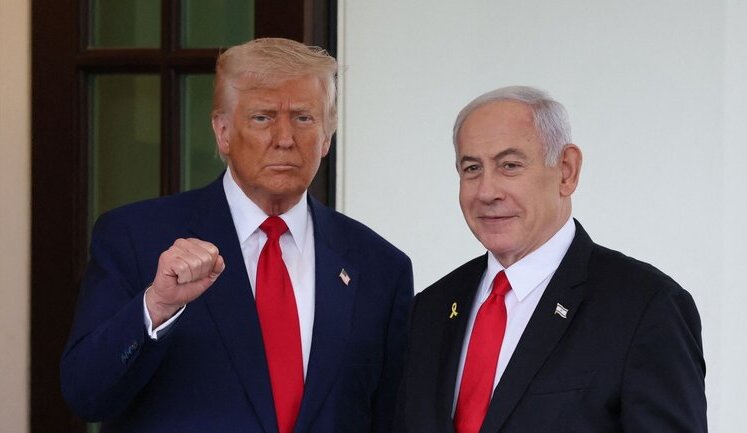
Israeli Prime Minister Benjamin Netanyahu remains a central figure in global politics, even amid controversies and international strife. Rejecting the option to leave politics in exchange for a pardon during ongoing corruption proceedings, Netanyahu asserts his authority and intention to lead. Meanwhile, his connections with global leaders, such as U.S. President Donald Trump, underscore the significant international alliances at play. Their dialogues have touched on reducing U.S. tariffs and addressing regional conflicts, like the tensions with Iran. As Netanyahu navigates these complex international waters, his political maneuvering remains scrutinized yet unyielding, highlighting his resilience and continuous impact on world affairs.
What is Benjamin Netanyahu's stance on leaving politics?
Benjamin Netanyahu, the Israeli Prime Minister, has firmly stated that he does not plan to exit the political arena despite the legal challenges he faces related to corruption allegations. His determination to remain in office signifies his commitment to his political career and leadership aspirations.
How is Netanyahu involved in international politics concerning the United States?
Netanyahu's involvement with the United States includes dialogues with President Donald Trump regarding the reduction of U.S. tariffs on Israel and cooperation on issues related to regional security. His diplomatic engagement highlights the strategic partnership between the two nations, despite underlying political and legal challenges.
What actions has Netanyahu taken regarding Israeli-Iranian tensions?
In the face of heightened tensions with Iran, Netanyahu has been a vocal figure, often opposing actions taken by Iran while navigating complex diplomatic relationships, including discussions with world leaders like Vladimir Putin. Netanyahu's stance remains critical as he seeks to manage conflict scenarios involving Israel and its neighbors.
Can you describe Netanyahu's interaction with President Trump?
Prime Minister Netanyahu's interactions with President Trump have been pivotal, focusing on areas of mutual concern such as reducing economic barriers and addressing peace and conflict in the Middle East. They have had several discussions, reflecting on shared interests in terms of security and economic collaboration.
Is Netanyahu facing any legal challenges currently?
Yes, Netanyahu is currently embroiled in legal proceedings concerning corruption charges. He has denied any wrongdoing and refuses to leave his political role in exchange for legal leniency. This legal battle highlights the contentious atmosphere surrounding his leadership in Israel.
What are the main outcomes of Netanyahu's visit to the United States?
During his visit to the United States, Netanyahu primarily discussed the potential for reducing tariffs with President Donald Trump, enhancing economic ties, and addressing mutual geopolitical concerns, particularly those involving security challenges in regions like the Middle East and Gaza.
What are the recent developments in Netanyahu's foreign policy?
Netanyahu's recent foreign policy actions involve navigating complex relationships with countries such as the United States and engaging with global leaders. He is actively addressing regional conflicts and diplomatic challenges, with a strong focus on maintaining Israel's security interests.