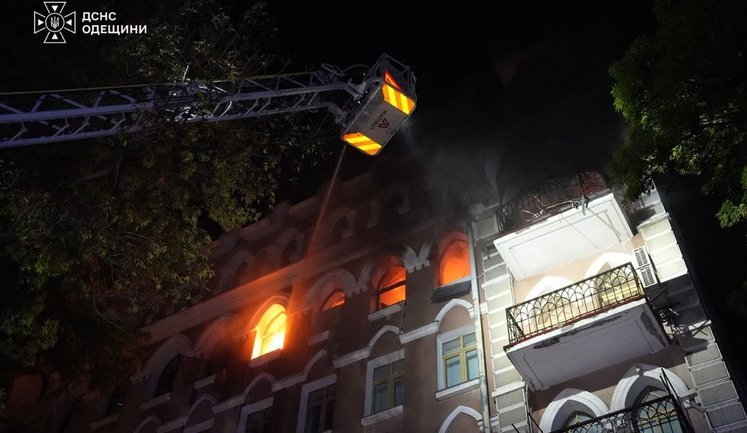
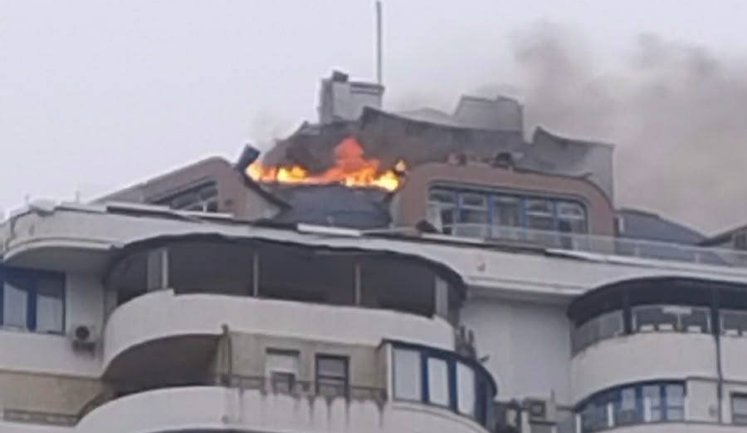
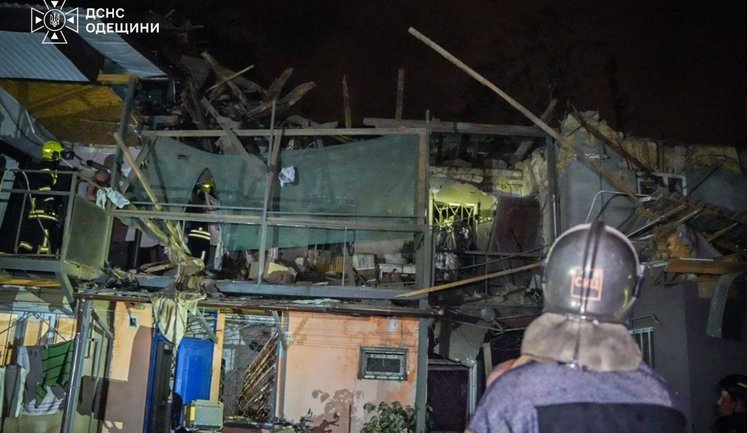
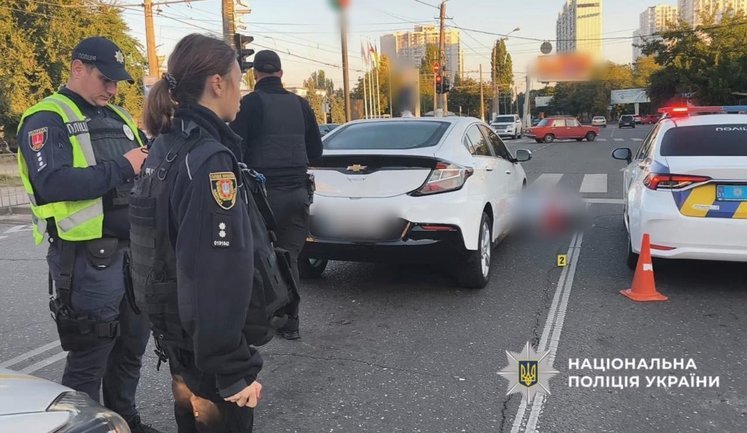
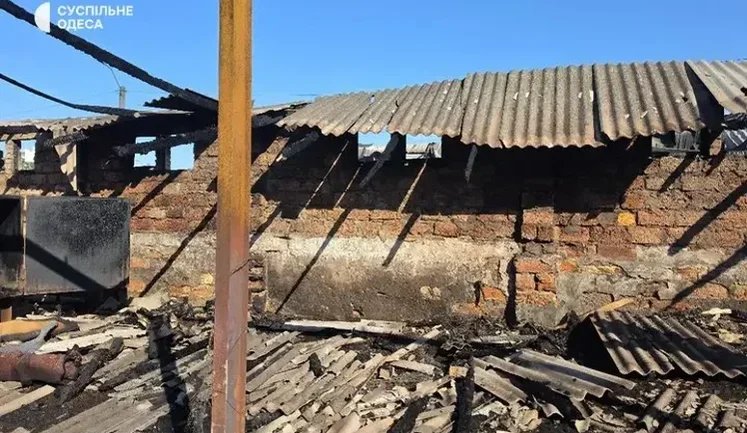
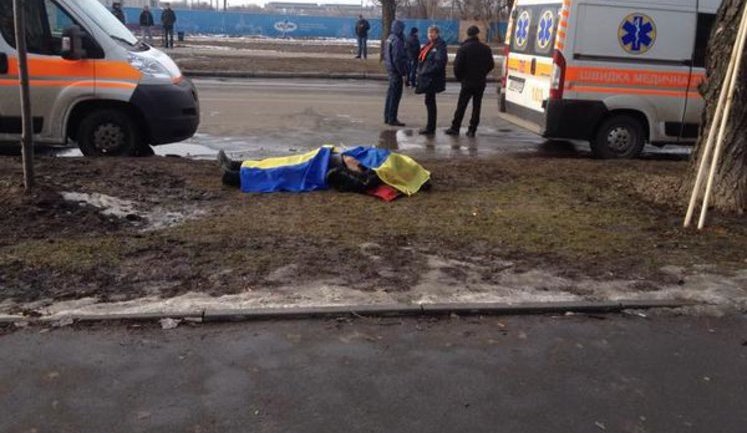
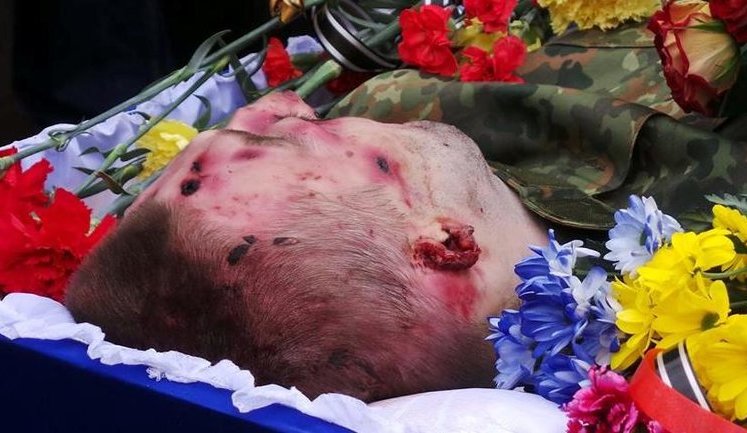
Odesa, a key city in Ukraine's Odeskyy district, faces ongoing Russian military strikes, damaging infrastructure and residential buildings. Recent reports reveal assaults on administrative and residential areas, causing severe damage and leaving casualties in their wake. Additionally, law enforcement has uncovered smuggling schemes amidst the chaos, highlighting the region's internal struggles. The Odeska region remains a focal point of conflict, with Russian forces frequently targeting civilian structures, which exacerbates the humanitarian crisis. This turbulent environment underscores the urgent need for international attention and support to mitigate further devastation in this strategic Ukrainian region.
What is the current situation in Odesa amid the ongoing conflict?
Odesa is experiencing continuous Russian military strikes causing damage to both residential and administrative buildings. The attacks have intensified in frequency and severity, leading to humanitarian challenges including casualties and infrastructure damage.
Why is Odesa frequently targeted by Russian forces?
Odesa's strategic location as a port city makes it a significant target for Russian military objectives. By attacking Odesa, Russian forces aim to disrupt the Ukrainian economy and logistics, further escalating regional instability.
How is the conflict affecting everyday life in Odesa?
The conflict has severely affected everyday life in Odesa, with frequent air raids, damage to infrastructure, and disruption to basic services. Residents face uncertainty and must constantly adapt to safety measures amid the threat of further strikes.
What kind of damage has been reported in Odesa due to the attacks?
Reports highlight substantial damage to key infrastructure, including residential high-rises, administrative buildings, and social facilities. These attacks have further strained the region's capacity to maintain order and provide essential services to its residents.
How is the international community responding to the crisis in Odesa?
The international community is closely monitoring the situation, with some countries providing humanitarian aid and support to Ukraine. However, the escalation in violence has prompted calls for increased international intervention to prevent further deterioration of the humanitarian situation.
What efforts are being made locally in response to the attacks on Odesa?
Local authorities in Odesa are actively engaged in rescue and recovery operations, addressing immediate threats from the attacks. They are working alongside state emergency services to assist those affected and repair essential infrastructure where possible.
Are there other regions in Ukraine facing similar attacks as Odesa?
Yes, other regions such as Kherson, Mykolaiv, and Zaporizhzhia are also experiencing significant military assaults. Like Odesa, these areas are crucial infrastructure hubs, and their defense is vital to Ukraine's overall stability and security.
What are the long-term implications for Odesa if the conflict continues?
If the conflict persists, Odesa faces long-term economic and humanitarian challenges. The continuous destruction may lead to prolonged recovery efforts, displacement of residents, and strained resources, impacting the city's future development and stability.