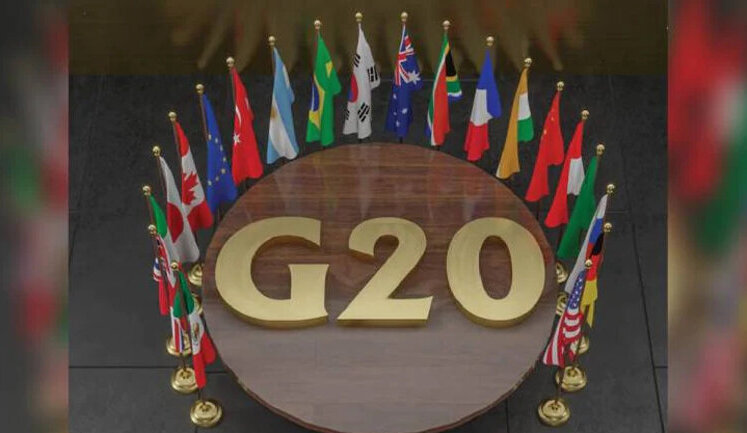
The G20 summit in South Africa is marked by the notable absence of Russian President Vladimir Putin, who will not be attending in person. This decision follows Putin's pattern of skipping G20 meetings, partly due to the geopolitical tensions surrounding Russia's actions in Ukraine. Additionally, US President Donald Trump announced that the US will not participate in the summit, citing controversial land policies in South Africa. The G20 remains a critical platform for addressing global economic issues, but its role is complicated by ongoing international disputes, including those related to the war in Ukraine. As the summit progresses, leaders are expected to navigate complex discussions, balancing both economic and political concerns.
Why is Vladimir Putin not attending the G20 summit in South Africa?
Russian President Vladimir Putin has chosen not to attend the G20 summit in South Africa, consistent with previous instances due to geopolitical tensions. These include the international response to Russia's actions in Ukraine and legal issues stemming from World Court obligations some countries would face if he attended.
What are the implications of the US not attending the G20 meeting?
The absence of the US, as announced by President Trump, highlights critical geopolitical friction. The decision is a direct response to controversial land policies in South Africa, reflecting strained relations and potentially impacting discussions on global economic policies and cooperation among G20 nations.
How has the war in Ukraine influenced G20 summit discussions?
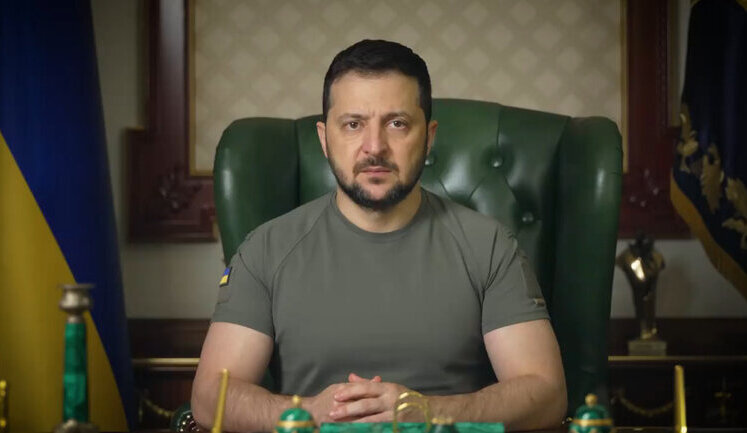
The war in Ukraine has significantly influenced G20 discussions, with many member states condemning Russia's actions. The conflict is central to debates on security, international law, and economic policies, aiming for a unified stance amidst international disagreements and varying geopolitical strategies.
What challenges does the G20 face in crafting a joint statement?
The G20 faces substantial challenges in reaching a consensus for a joint statement due to divergent views on the war in Ukraine and other geopolitical issues. Different member countries' positions on Russia, particularly from China and some neutral nations, further complicate achieving mutual agreements.
What role does the G20 play in addressing global economic issues?
The G20 is pivotal in addressing global economic challenges, providing a platform for the world's major economies to collaborate on solutions. Its agenda covers economic growth, sustainable development, and financial stability, although geopolitical tensions can overshadow these objectives, complicating its effectiveness.