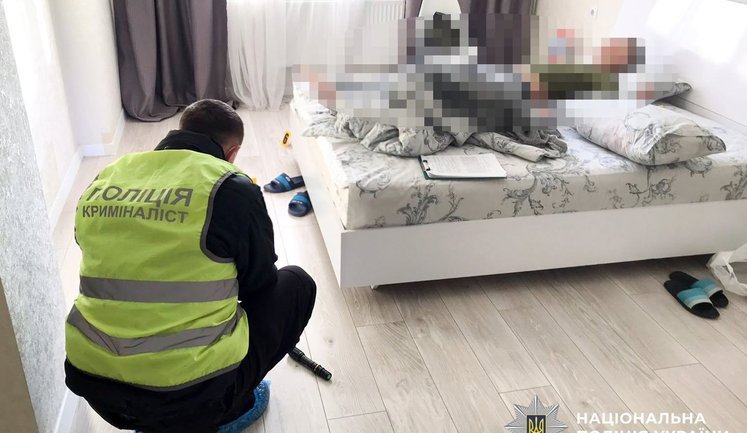
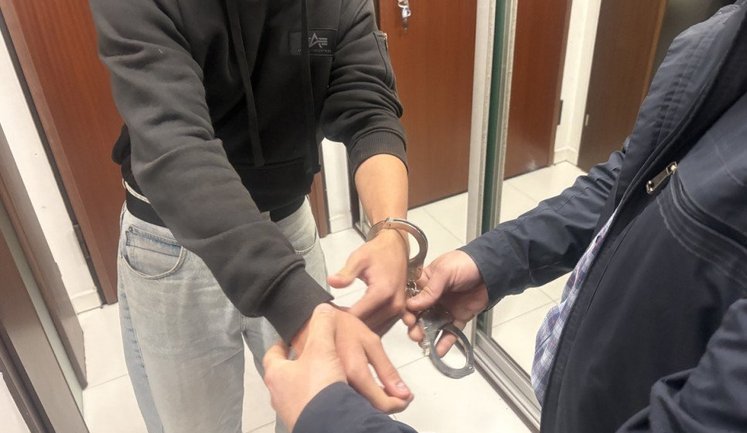
The involvement of teenagers in criminal activities and conflicts has been a recurring theme in recent news. Incidents include a 14-year-old girl in Rivne implicated in the murder of a soldier, potentially orchestrated by the FSB, and a 15-year-old detained in Warsaw for alleged murder preparations. Teenagers face recruitment by Russian security services, leading to victim recognition. Elsewhere, a clash between a military officer and a teenager in Odesa and an assault on young Ukrainian girls in Poland highlight tensions involving youth. Additionally, Ukrainian initiatives strive to rescue children from occupied territories. The complexities of these situations reveal teenagers caught in geopolitical and criminal webs.
What are the roles of teenagers in recent crimes in Ukraine?
Recent news highlights teenagers engaged in crimes such as murder and sabotage in Ukraine. Instances include a 14-year-old girl involved in a soldier's murder in Rivne and several teens recruited for criminal activities by Russian services. Investigations and legal proceedings are actively addressing these cases, acknowledging minors' roles as both perpetrators and victims.
How is the Ukrainian government responding to the involvement of minors in crime?
The Ukrainian government, along with law enforcement and social services, is actively involved in addressing cases involving minors entangled in crime. Legal recognition as victims, implementation of rescue operations, and initiatives like Bring Kids Back UA aim to mitigate their exploitation and reintegrate them safely. Efforts are ongoing to deal with recruitment and coercion by hostile entities.
How has the Russian secret service allegedly influenced Ukrainian teenagers?
There are allegations of Russian security services recruiting Ukrainian teenagers to participate in acts against Ukrainian interests, such as intelligence activities, sabotage, and even murder. Reports suggest coercion through blackmail and strategic manipulation, contributing to the involvement of minors in espionage and terrorism-related incidents.
What measures are being taken for teenagers affected by conflict zones?
Programs like the Ukrainian President's Bring Kids Back UA initiative focus on rescuing and reintegrating children from conflict zones, particularly from Russian-occupied territories. These measures aim to provide a secure environment for affected minors, minimize exploitation risks, and offer psychological and social support to rebuild their lives safely.
What incidents highlight the violence faced by teenagers in and out of Ukraine?
Teenagers have been victims and perpetrators of violence both within Ukraine and abroad. Incidents such as assaults on Ukrainians in Poland and violent clashes involving military personnel in Ukraine display the widespread impact of violence. These incidents highlight the immediate and underlying socio-political challenges faced by young people today.
How are Ukrainian teenagers being militarized in Russian-occupied regions?
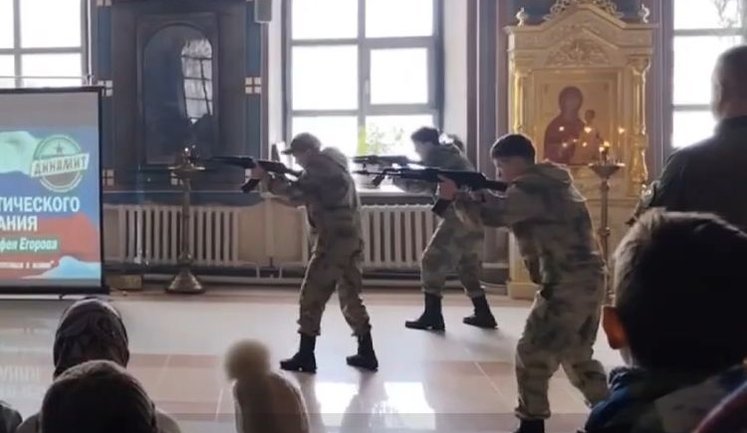
Reports indicate that teenagers in occupied regions of Ukraine are subjected to militarization under Russian control. This includes forced military training, logistical support duties, and propaganda indoctrination. Such activities aim to prepare and assimilate teenagers into military frameworks, often against their will, perpetuating cycles of exploitation and violence.
How do international laws protect teenagers in conflict zones?
International laws, such as the United Nations Convention on the Rights of the Child, emphasize protection, safety, and well-being for minors in conflict zones. Protocols aim to safeguard children from exploitation, recruitment, and violence while promoting rehabilitation and reunification with families to ensure their rights and development are preserved.
How prevalent is the issue of teenagers being recruited for criminal acts?
The recruitment of teenagers for criminal acts, particularly in regions experiencing conflict or political instability, is a concerning trend. Reports from Ukraine emphasize recruitment by foreign entities, underlining the need for protective measures and educational interventions to prevent exploitation and promote lawful, peaceful upbringing for young individuals.
What role do Ukrainian initiatives play in rescuing teenagers from occupied areas?
Ukrainian initiatives, like the Bring Kids Back UA program, actively facilitate the rescue and safe return of teenagers from occupied territories. These initiatives coordinate with international partners to ensure minors' safety, implement protective measures, and provide essential support services, highlighting a robust approach to countering illegal detentions and exploitation.