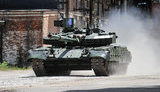
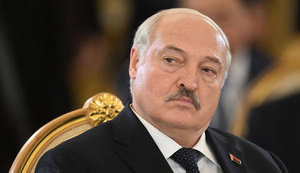
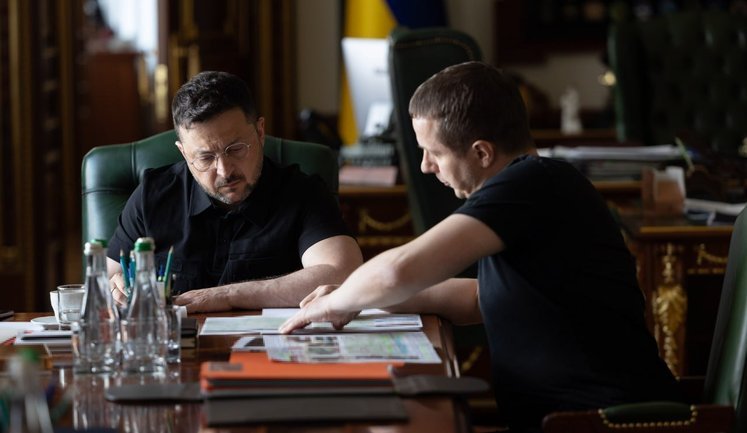
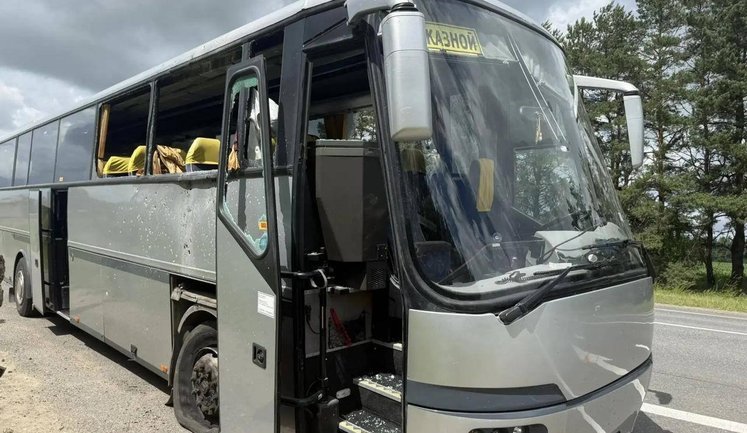
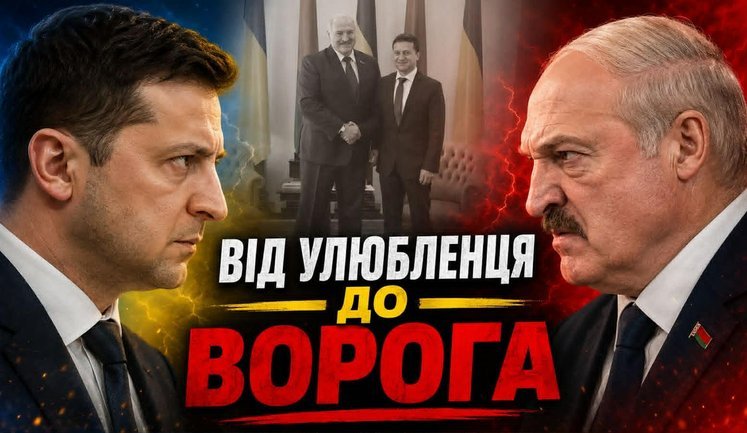
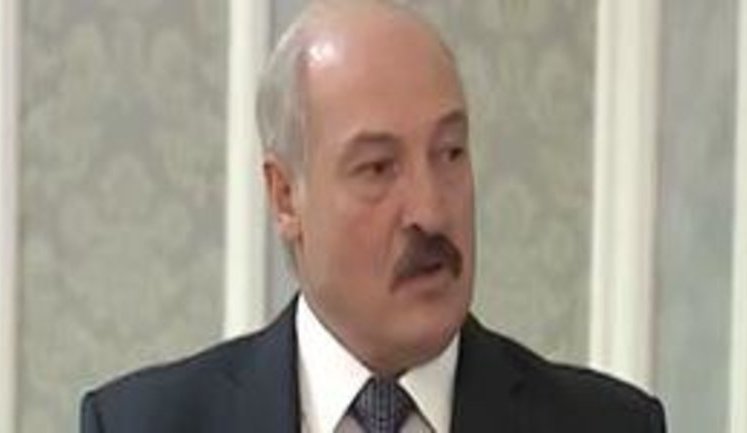
The geopolitical dynamics between Belarus and Ukraine remain a focal point as tensions persist in the region. The Belarusian Defence Ministry has declared the situation stable, averting immediate threats from NATO or Ukrainian forces. Meanwhile, Belarusian dictator Alexander Lukashenko has refused to send troops to Ukraine, professing the nation's common sense in avoiding conflict. However, accusations between the nations continue, particularly concerning alleged drone strikes. The price of Belarusian petrol to Russia has spiked amidst these tensions. Ukrainian authorities, vigilant to potential threats, continue fortifying their northern defenses. As political narratives evolve, the discourse between Lukashenko and Ukrainian President Volodymyr Zelenskyy remains strained, with Lukashenko professing a readiness for dialogue while simultaneously maintaining readiness to defend against aggression.
What is the current military stance of Belarus regarding Ukraine?
The Belarusian Defence Ministry has stated that the situation is stable, with no signs of an imminent attack from NATO or Ukrainian forces. Belarus maintains a neutral stance while reinforcing its borders to prevent being drawn into the conflict.
How has Belarus been involved in the Russia-Ukraine conflict?
Despite remaining neutral, Belarus has been accused of facilitating Russian military operations by allowing the use of its territory for drone launches against Ukraine. Nevertheless, Lukashenko denies any direct military involvement and expresses a desire to avoid conflict.
What are the economic impacts of the conflict on Belarus?
Economically, Belarus faces challenges, particularly with the recent increase in petrol prices to Russia amid broader market distortions. This development highlights the intertwined economic struggles shared by countries closely linked to the conflict's dynamics.
What actions have been taken by Ukraine in response to threats from Belarus?
Ukraine remains vigilant, reinforcing its northern defenses to mitigate potential threats from Belarus. This includes forming new military brigades and deploying anti-drone technology to secure vulnerable transportation routes from potential attacks.
Has there been any diplomatic engagement between Belarus and Ukraine recently?
While political rhetoric is tense, with accusations and ultimatums exchanged, Lukashenko has expressed a willingness to engage in dialogue with President Zelenskyy. However, substantial diplomatic progress remains limited, reflecting the ongoing geopolitical strain.
How are international entities responding to the Belarus-Ukraine situation?
Organizations like the European Commission emphasize Ukraine's right to self-defense and call for responsible actions from Belarus to prevent escalation. International focus remains on diplomatic resolution and preventing Belarus's involvement in the war.
What are the civilian and human rights implications in Belarus regarding its neighbors?
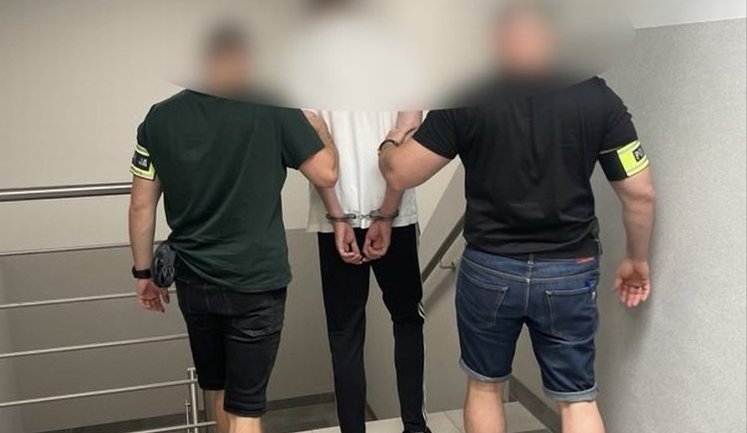
Civil rights concerns have arisen with reports of Belarus detaining transit travelers such as the Ukrainian Bohdan Herish. Human rights activists continue to monitor these developments, urging caution and adherence to international legal standards by Belarus.