In 2026, the war in Ukraine continues to impact religious sites and communities severely. President Zelenskyy reported that Russian fire has damaged over 740 religious buildings across Ukraine, highlighting the stark consequences of the ongoing conflict on cultural heritage. In other developments, a U.S. congressional bill aims to impose sanctions against Russia for religious freedom violations, emphasizing international concern over the situation. Additionally, a poll reveals that 62% of Ukrainians endorse legislation banning religious organizations connected to Russia. These events underscore the complex interactions between religion, politics, and conflict in Ukraine, as religious beliefs and affiliations face unprecedented challenges amid the war.
What is the current state of religious buildings in Ukraine?
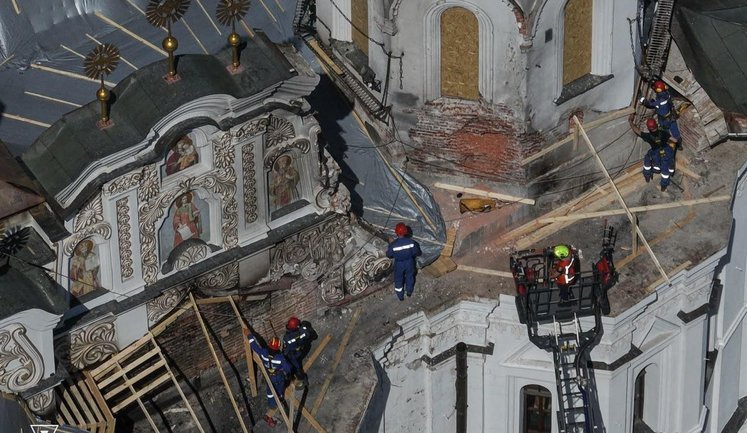
Since the start of the full-scale invasion, over 740 religious sites in Ukraine have suffered damage due to Russian strikes. This has raised significant concerns about preserving cultural and religious heritage amidst the ongoing conflict. Protection and restoration efforts for these sites remain a complex challenge due to the continuous hostilities in affected regions.
How are Ukrainians responding to religious organizations linked to Russia?
A recent survey indicated that 62% of Ukrainians support a law banning religious organizations with ties to Russia. This reflects widespread public sentiment against perceived foreign religious influences amid heightened national security and sovereignty concerns in the country.
What measures is the United States taking regarding Russia's religious freedom violations?
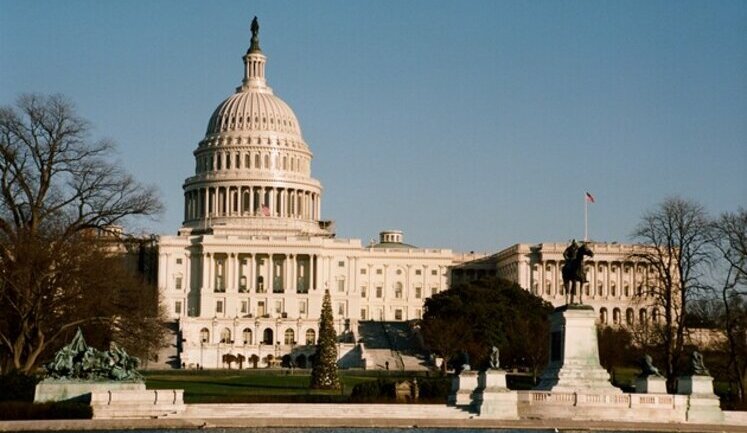
In response to reported violations of religious freedom by Russia, the U.S. Congress has introduced a bipartisan bill that would impose sanctions. This legislative effort aims to hold Russia accountable for its actions, demonstrating international support for protecting religious liberties in affected areas.
How has the Supreme Court of Ukraine addressed military service exemptions due to religious beliefs?
The Ukrainian Supreme Court ruled that during martial law, religious beliefs do not exempt citizens from military service obligations. This decision mandates that all conscripts, regardless of faith, fulfill their duty, ensuring national defense priorities remain paramount while addressing religious exemptions cautiously.
What incidents highlight the intersection of religion and conflict in Ukraine?
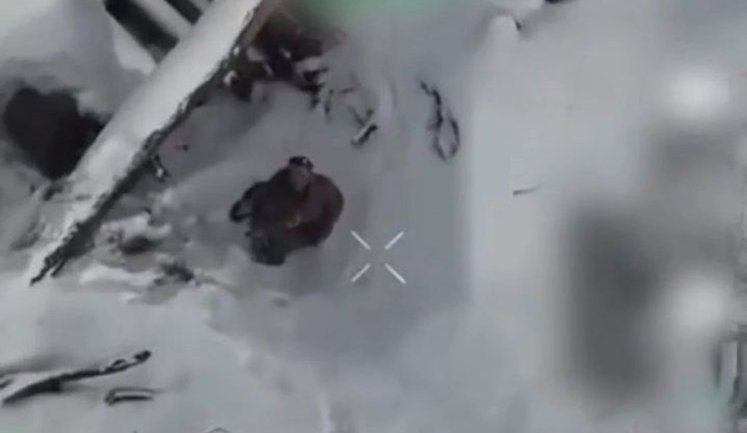
Various incidents underscore the religion-conflict nexus, such as the near-fatal altercation in Bila Tserkva over Easter greetings and the unusual behavior of a Russian soldier filmed engaging with a Ukrainian drone. These events reflect how deeply intertwined religious expressions and tensions have become in affected areas.